


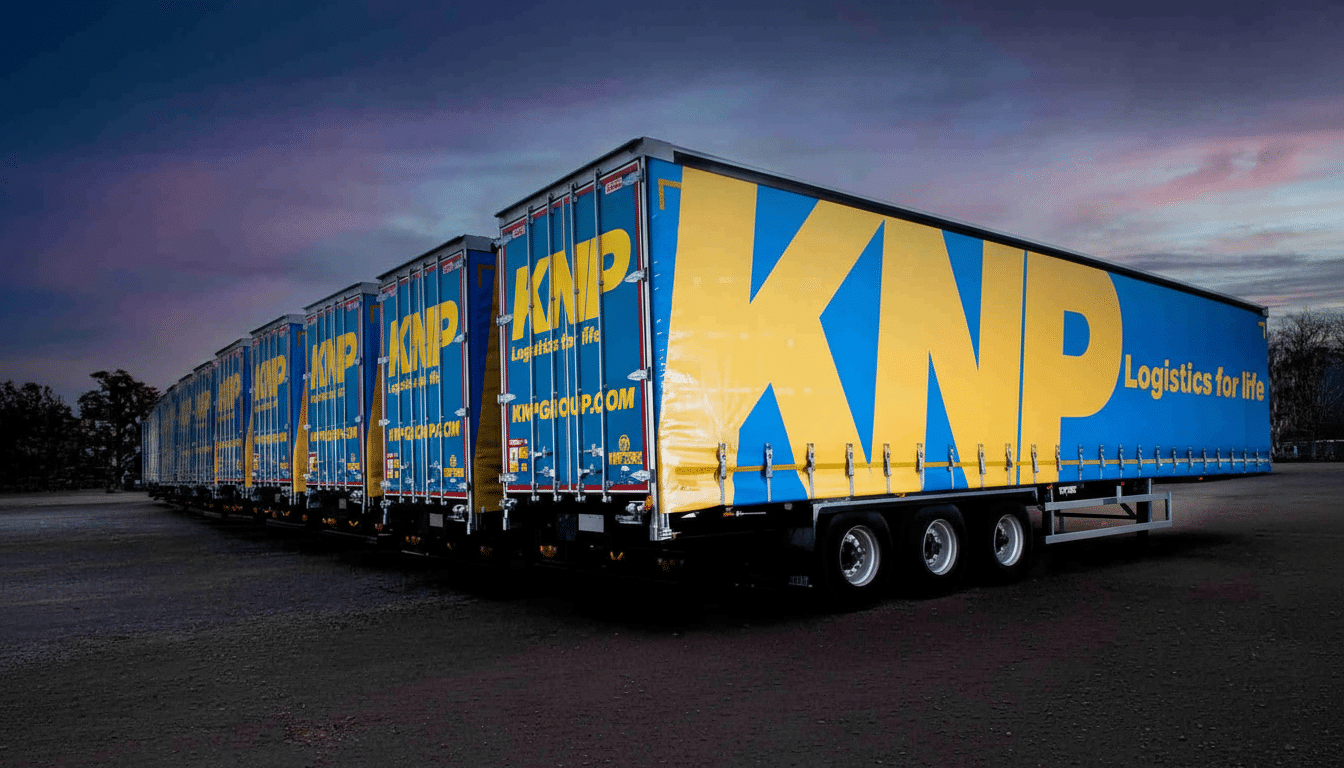
All it took to end a 158-year-old company was one weak password. India-based KNP Logistics Group was not so fortunate, facing collapse after the Akira ransomware gang accessed an employee account that wasn’t behind multi-factor authentication, locked down systems, wiped backups and asked for around £5m (close to $6.7m) in ransom. Within weeks, operations ground to a halt and over 700 people lost their jobs. The episode is a sobering real-world reminder of how one identity gap can morph into an existential business risk.
How a Single Password Became a Business Liability
Attackers, according to incident reporting circulated by security outlets, homed in on an account without MFA and guessed a password, then charted their way from there.

After they obtained domain-level access, they deployed ransomware, encrypted key systems and reportedly sabotaged backups and disaster recovery infrastructure. That combination — identity compromise, lateral movement, encryption and backup destruction — is a familiar playbook for modern ransomware crews.
Groups like Akira tend to use encryption in combination with data theft to put pressure on victims. Even if stolen data isn’t the priority, attackers are increasingly targeting recovery avenues, aware that an organization with no clean backups has little leverage. The UK’s National Cyber Security Centre has consistently warned that MFA failure and flat networks are valuable entry points for ransomware operators.
What Went Wrong Outside the Password and Recovery
It would be easy to blame one user, but the failure was systemic. A high-risk account lacked MFA. Backups were accessible enough to be erased or encrypted. Segmentation and privilege rings did not seem to be enough to prevent lateral movement. And the recovery plan couldn’t turn systems back on quickly after disaster struck.
Verizon’s Data Breach Investigations Report has stressed for years that a “human element” contributes to most breaches, and misuse of credentials is cited as one of the top attack methods. That doesn’t make the result inevitable, though. It emphasizes that access controls, EDR and hardened backups should all be designed to take into account human error.
The True Cost of Downtime in Ransomware Incidents
The economics are brutal. The many millions of dollars that IBM’s Cost of a Data Breach report estimates as the cost to recover from an average breach lay a lot of (usually idle) cash on the table in front of an attacker. For logistics companies, downtime is counted in missed deliveries, dormant trucks and broken SLAs. Cash flow dries up as incident response and legal costs escalate. Supplier confidence erodes. Customers move on.
KNP’s collapse demonstrates the cumulative impact when recovery routes are blocked. An unpayable ransom, along with unrecoverable systems, can tip a company from crisis to closure. And beyond the immediate damages, the human cost — hundreds of jobs lost — represents the harshest measure of all.
Why Golden Legacy Firms Are Ransomware Targets Today
It’s not age, it’s technical debt. Older companies, however, tend to acquire a patchwork of legacy systems, combined with acquisitions and remote access tools that serve to increase the attack surface. Ransomware gangs hunt for the soft underbelly — unsecured VPNs with no MFA, ancient protocols needing an urgent update, too many privileges on service accounts, or, worse, keeping your backups on the same identity domain the attackers just owned.
We’ve seen this movie before. The Colonial Pipeline attack was set off by a single compromised VPN password, cascading into a shutdown across fuel supply chains. The lesson remains the same: with identities and recoveries so fragile, one credential can tumble into a national headline — and in some cases, corporate oblivion.
Real Protections That Actually Matter Against Ransomware
Start with identity. Require MFA anywhere and everywhere, not just for admins — VPN, email, remote desktops, cloud apps like Office 365 or Salesforce, and privileged actions involving data processing. Adopt phishing-resistant authentication wherever feasible (for example, FIDO2 security keys). Disable legacy authentication protocols and require password manager–generated, strong, unique passwords.
Assume breach in your architecture. Segment networks so an endpoint compromise can’t access the crown jewels. Tier admin access, remove static admin rights with just-in-time access and lock down service accounts with limited scope. Deploy endpoint detection and response (EDR) with containment playbooks on servers and workstations.
Make backups your fortress. Strive to a 3-2-1-1-0 stance: at least three copies, on two different media, one offsite, one offline or immutable, and zero errors when tested using regular recovery validation exercises. Backups should be air-gapped away from domain credentials — think immutability and backup-only networks. Full-Fidelity Tabletop Recovery Drills should be as common as fire drills.
Prepare to decide fast. Develop a crisis decision tree that includes legal, communications and operations as well as IT. Follow CISA, NCSC and NIST guidance to prepare for ransomware. Cyber insurance can help, but carriers increasingly demand proof of MFA, EDR and tested backups before underwriting — and may dissect ransom decisions.
No single control is fail-safe, but layered defenses relegate a guessed password from a disaster to something manageable. The collapse of KNP is not a cautionary tale — it’s an autopsy, and a harrowing one at that, of what happens when identity, segmentation and recovery are left up to luck. In the threat climate of 2025, resilience is not a project; it’s an enduring operating discipline.
