


Amazon’s second wave of Fire-branded televisions doubles down on value, bringing 4K models to a pointedly low $159 starting price. The overhaul reaches across the Fire TV 2-Series and 4-Series, as well as the premium Fire TV Omni QLED range, suggesting a more aggressive move toward making Amazon’s TV platform the default screen in budget and mid-range living rooms.
This year, the company is maintaining an obvious stepped-up system: the fresh 2-Series and 4-Series have even more speed and slimmer bezels in competitively priced 4K sets than ever, while the Omni QLED models add upscaled picture performance at pricing that’s still within reach for most. Shipments are rolling out soon, and preorders are live.
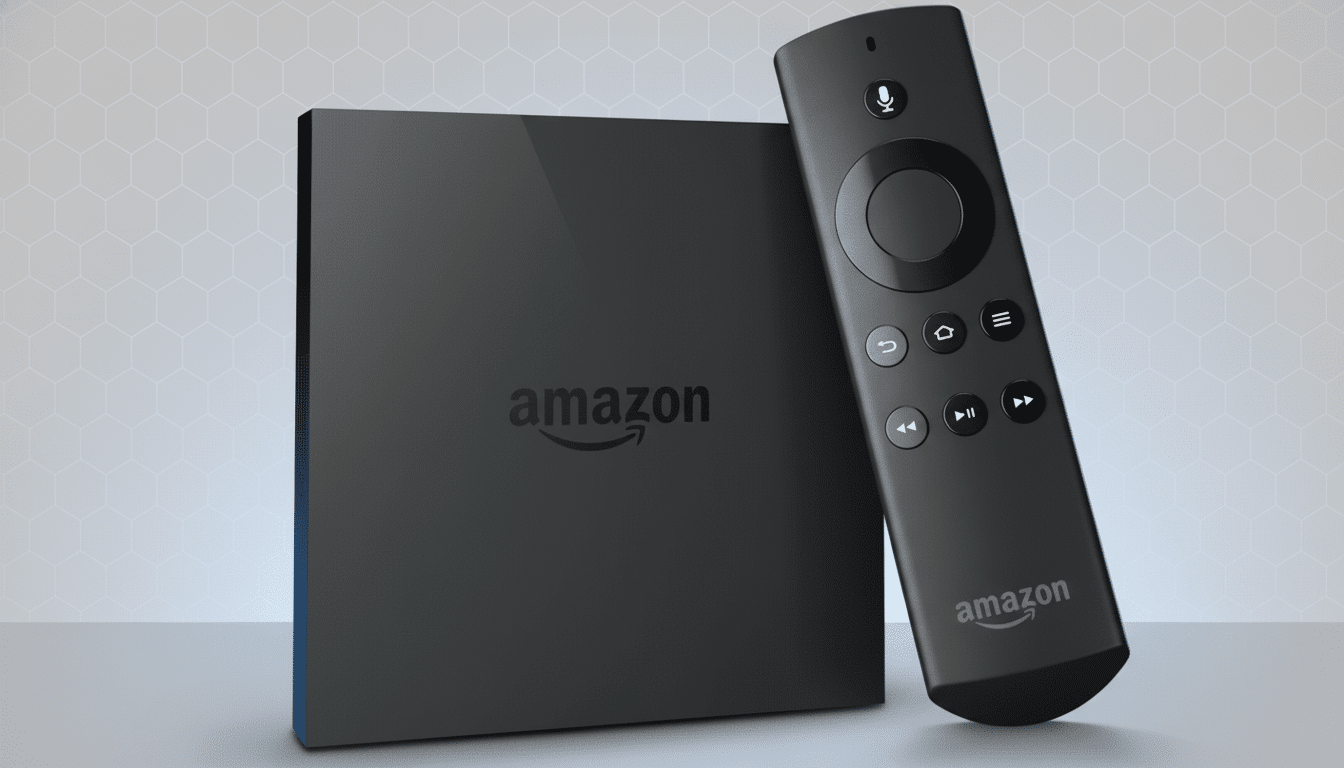
What’s in the new Amazon Fire TV lineup this year
At the entry level, the Fire TV 2-Series and 4-Series are for value hunters who still want a 4K-resolution picture and the Fire TV experience. Amazon calls these models “ultra-thin” with metal bezels and boasts a new quad-core processor that it says makes them up to 30% faster than the previous generation. They also incorporate Omnisense technology, which adjusts color temperature based on room lighting — it can wake up the screen when you walk into the bedroom.
The flagship Fire TV Omni QLED family begins cheaper than many competitive QLED sets and is available in 50-, 55-, 65-, and 75-inch sizes. According to Amazon, it can reach 60% higher peak brightness over the previous Omni QLED, with almost double the local dimming zones for better contrast management. It retains Dolby Vision and HDR10+ Adaptive support, while a more powerful processor claims to bolster overall performance by 40%, making for faster navigation and upconversion.
Hardware You Can Actually See Getting Upgraded
Theoretically, the combination of more dimming zones and higher peak brightness will mean more visible gains when it comes to HDR punch—bright specular highlights against stable shadow detail—especially on the Omni QLED models. With HDR10+ Adaptive and Dolby Vision onboard, dynamic metadata can help tone mapping to be scene-by-scene optimized, while Omnisense helps keep whites from veering too cool or too warm as room lighting changes.
Speed is as important on televisions as it is on phones. A 30–40 percent increase in processing may well eliminate menu lag, smooth app switching, and enhance the upscaling of broadcast and HD streams. It also paves the way for improved cloud gaming performance, as well as voice interactions. Look for the entry-level 2-Series to prioritize budget-friendliness over gaming features, and the Omni QLED sets to be potentially safer bets if you care about HDR consistency and overall picture polishing.
Price pressure and the broader smart TV market context
Amazon’s pricing beats out many competitors at the value 4K tier—an increasingly crowded space with TCL, Samsung, Hisense, and Roku-branded sets. Omdia and Circana analysts have observed consistent price-gnawing in big-screen LCDs because of panel oversupply cycles and store-led giveaways. Using its scale, storefront, and content ecosystem—along with high-visibility sales events—it can shift volume at low entry prices.
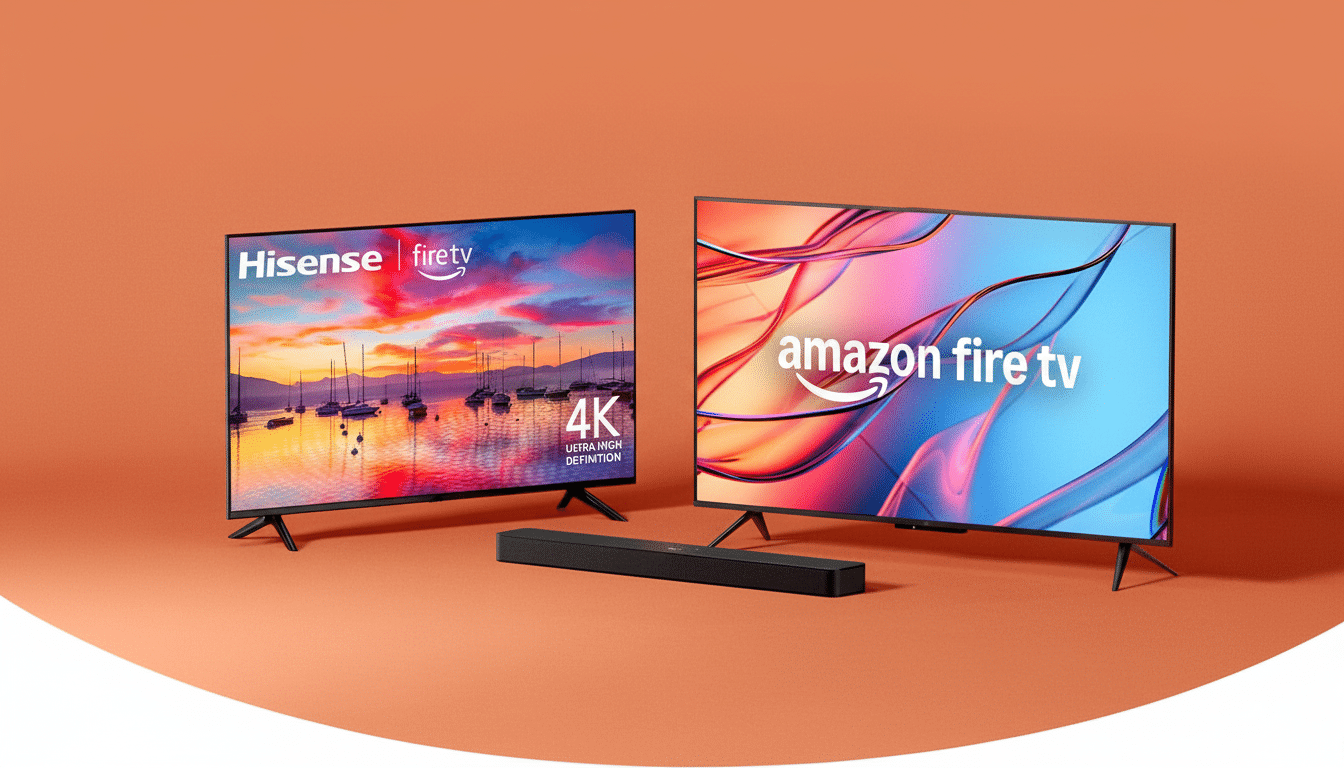
The plan is not just about moving hardware. Each Fire TV broadens the presence of Prime Video, Alexa, and Amazon’s app store. Your trade-off as a consumer, then, remains the choice to buy one of these house-brand TVs that prioritize ecosystem integration and convenience over boutique panel tech. For most households upgrading from a non-4K or early-generation 4K set, the picture and speed improvements here are worth chasing, rather than some niche specs that appear in pricier models.
Fire TV Stick 4K Select signals a move in software
Amazon also unveiled the Fire TV Stick 4K Select, which is selling for $39.99 alongside the TVs. The headline is not the price; it’s the software. This dongle is powered by Amazon’s Linux-based software stack, not the usual Android-sourced Fire OS; an interesting shift in where dependency lies. Amazon claims support for top streaming apps and 4K HDR10+, with forthcoming support for Xbox Gaming, Luna game streaming, and the new Alexa+ assistant experience.
If Amazon is able to maintain broad app compatibility while speeding up the pace of updates for its Vega OS, it could lock down performance and update cadence—a prize smart TV makers have been chasing in recent years as platforms fragment across Android TV, Google TV, Roku, and manufacturers’ proprietary systems.
Which Fire TV to get for your room and budget
Choose the Fire TV 2-Series if you’re looking for the most affordable way to modernize a bedroom, dorm, or secondary room with an updated 4K display and access to Fire TV features. Go for the 4-Series if you want bigger sizes and a bit faster app switching and everyday streaming headroom.
Home theater shoppers will want to lead with the Omni QLED models. The greater brightness, wider local dimming, and premium HDR formats will matter for certain movies and prestige TV shows watched in dark rooms. Combine with a decent soundbar for the most upgrade per dollar.
Anyone happy with their current display but pining for faster streaming can break out the Fire TV Stick 4K Select as a budget-friendly way to bring a setup up to date—provided that Amazon’s Vega OS can walk the walk on speed and app compatibility.
