


The findings from a new poll of 5,203 smartphone users suggest there has been a clear change in behavior when it comes to upgrading devices: nearly half say they now keep their phones three years or more; almost one-third wait until their device fails before buying a replacement. The results highlight a maturing market in which incremental improvements, higher prices and longer software support combine to lengthen the period of time between upgrades.
Phone upgrade cycles are ballooning beyond three years
Among respondents, 49.3% said they upgrade every three or more years. Another 29.8 percent said they only upgrade when their current phone breaks. By contrast, 15.5% continue to cycle on a two-year rhythm, and only 5.4% change phones every year. For a product category that used to be aligned with the thrill of the annual, that’s a pretty definitive move toward the enduring.
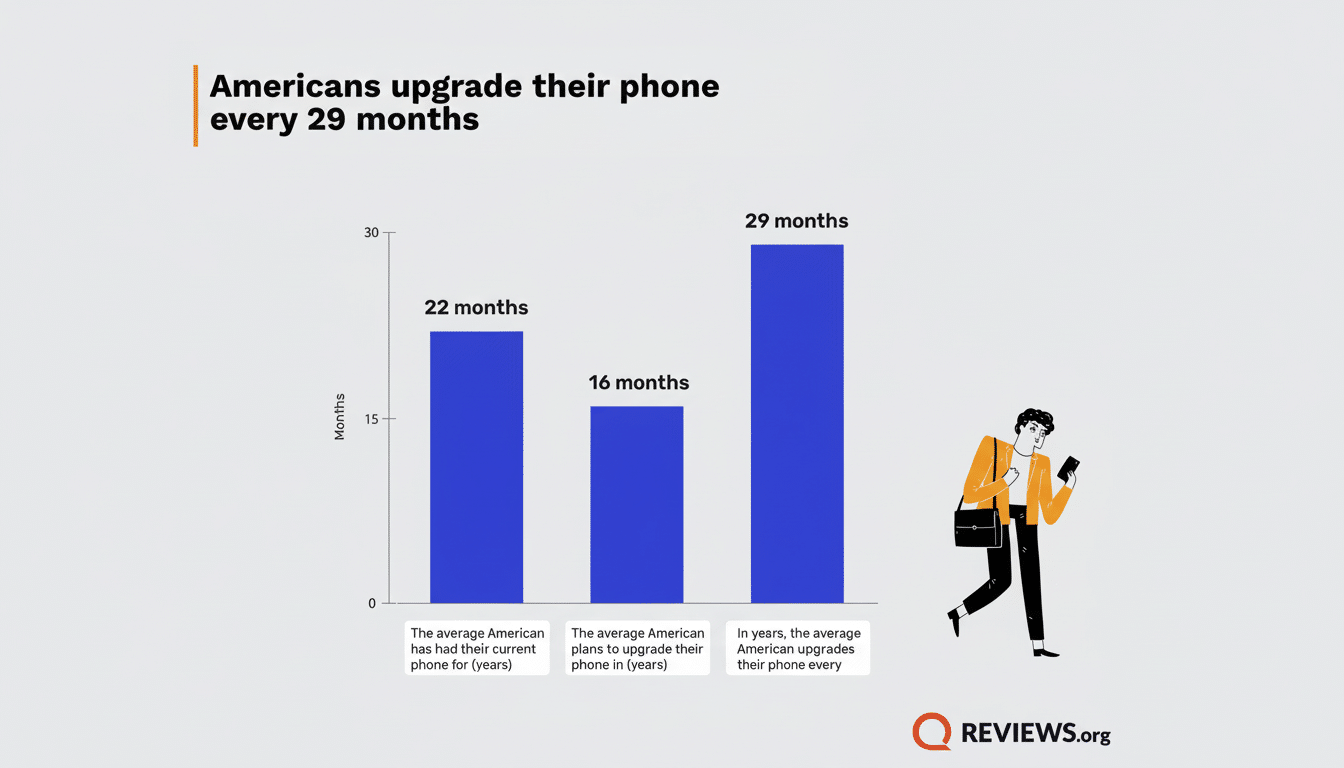
The findings are consistent with broader industry studies. Analysts have observed a consistent elongation in replacement cycles across large markets, pinning the trend on saturated smartphone penetration, stalled performance improvements and robust chipsets’ persistence. In other words, phones are now “good enough” for longer — and consumers are treating them accordingly.
Carrier Contracts and Support Policies Reward Patience
US carriers have quietly accepted that three years is the new norm. Verizon and AT&T frequently promote 36‑month installment plans, which lessens the financial burden of upgrading early. T‑Mobile, which has previously pushed faster upgrades into the mainstream, now also has 36‑month options on a number of devices. When the financing extends over three years, so do expectations.
In addition, manufacturers are now pledging more extended support. It’s nothing new that Apple provides these types of updates for five years or longer. Google’s Pixel 8 line and Samsung’s Galaxy S24 family both promise up to seven years of OS and security updates. Niche leaders like Fairphone have made longevity a brand pillar. And with long-term software coverage that appears reliable, it’s no longer so scary to keep a phone for years.
Repairability is improving too. The possibility of midlife fixes is also more plausible thanks to right-to-repair legislation in a number of states and the growing availability of official parts and manuals. Change out the battery, and get a new case, and suddenly your phone’s useful life has been extended by another 12 to 24 months for pennies on the dollar compared with what you’d pay for a brand-new flagship.
Prices, specs, and the phone upgrade value equation
Cost is a strong brake on the frequency of upgrades. Costs for components have been on the rise, with business trackers saying that DRAM and NAND contract prices had recovered strongly in the past year. Many flagships now cost well over $1,000, and yet midrange models also come with fast processors, capable cameras and even the promise of multiday battery life for around half the price.
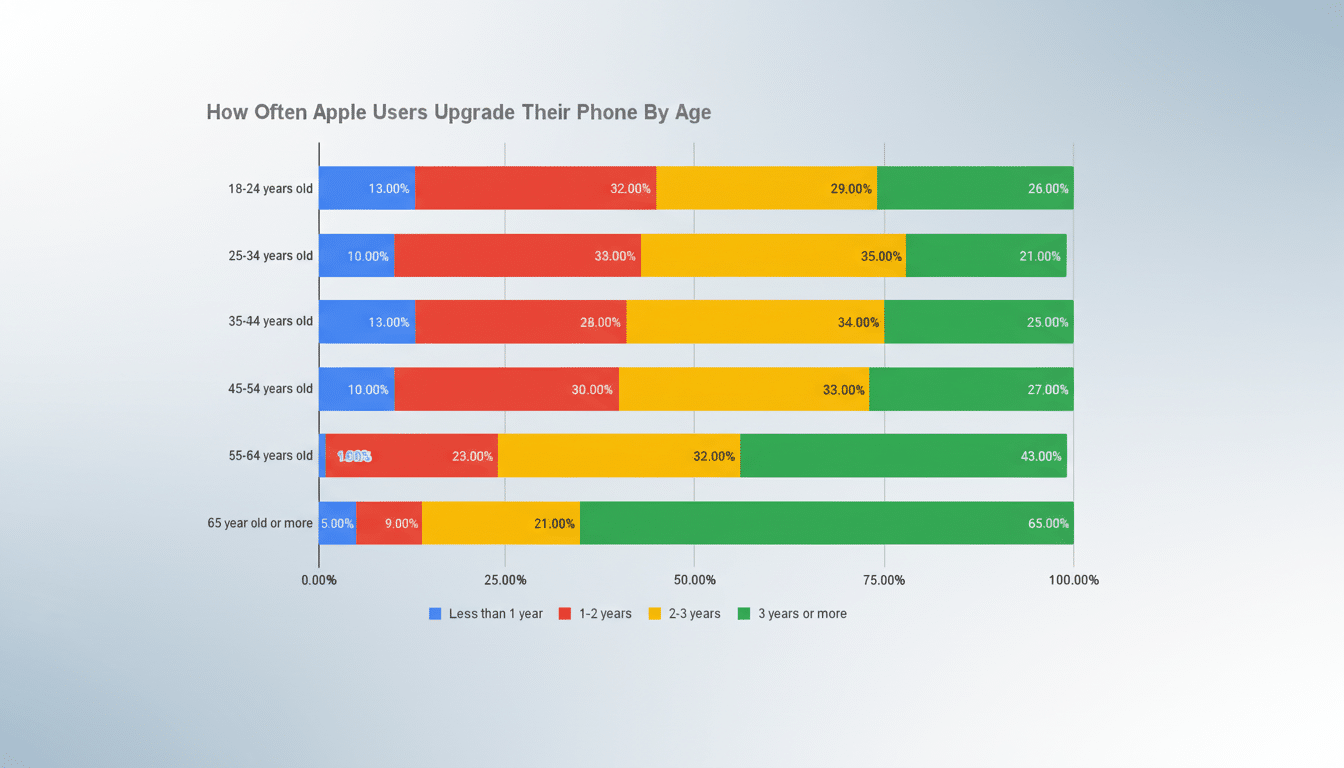
But at the same time, year-over-year perceived gains are narrowing. Displays are universally sharp and bright; cameras perform well in nearly every condition; 5G is table stakes. Even the much-touted wave of on-device AI, while exciting in terms of potential, has failed to provide must-have features for most people. Performance ceilings meeting price floors are bad for the upgrading business.
Refurbished Phones and Sustainability Influence Decisions
Strengthening that is the robust secondhand market. Research firms forecast continued growth in used smartphone shipments for both the remainder of this year and through the middle of this decade, as trade-in programs expand and refurbished devices receive better warranties. Even a marginally better new model seems less compelling than upgrading to a like-new phone at half the price.
Then there are environmental factors. Extending the lifespan of devices cuts down on e-waste and carbon impact — an important issue, according to consumer advocates and regulators in Europe and the US. Brands making phones that last more years, that are easier to fix, and that offer transparent battery health tools are aligning what they make with how people now use their devices.
What improvements could finally spur phone upgrades
To break the momentum of today’s long cycles will require genuine step-change improvements, and not just faster chips. Durable advances in battery tech, cameras that set the bar for low-light or zoom capabilities, genuinely useful on-device AI — which will ultimately save time every day — or foldables achieving mainstream pricing could reset the calculus.
For now, the signal from consumers is clear: phones are good enough, and they plan on making them last. That’s the new language of the upgrade cycle, spoken by manufacturers and carriers who emphasize longevity — support, repairability and fair financing.
