


Apple’s upcoming iOS 26.3 beta introduces two new features aimed at placating Brussels and taking iPhone a step closer to the letter of the EU’s Digital Markets Act. European Commission officials have indicated they’re happy with the additions, saying they grew out of the regulator’s continuing probe into how Apple treats connected devices and switching.
What’s New in iOS 26.3 Beta for EU Users
The first headline feature is Notification Forwarding for third-party smartwatches. Historically, proper notification mirroring was perhaps the biggest perk of owning an Apple Watch. In 26.3 for iOS in the EU, Apple is allowing iPhone notifications to proliferate more openly across non-Apple wearables, responding to developer complaints for years that they have been stymied by lack of interoperability. Look for companies like Garmin, Polar and Fitbit to capitalize as their apps get the hooks.
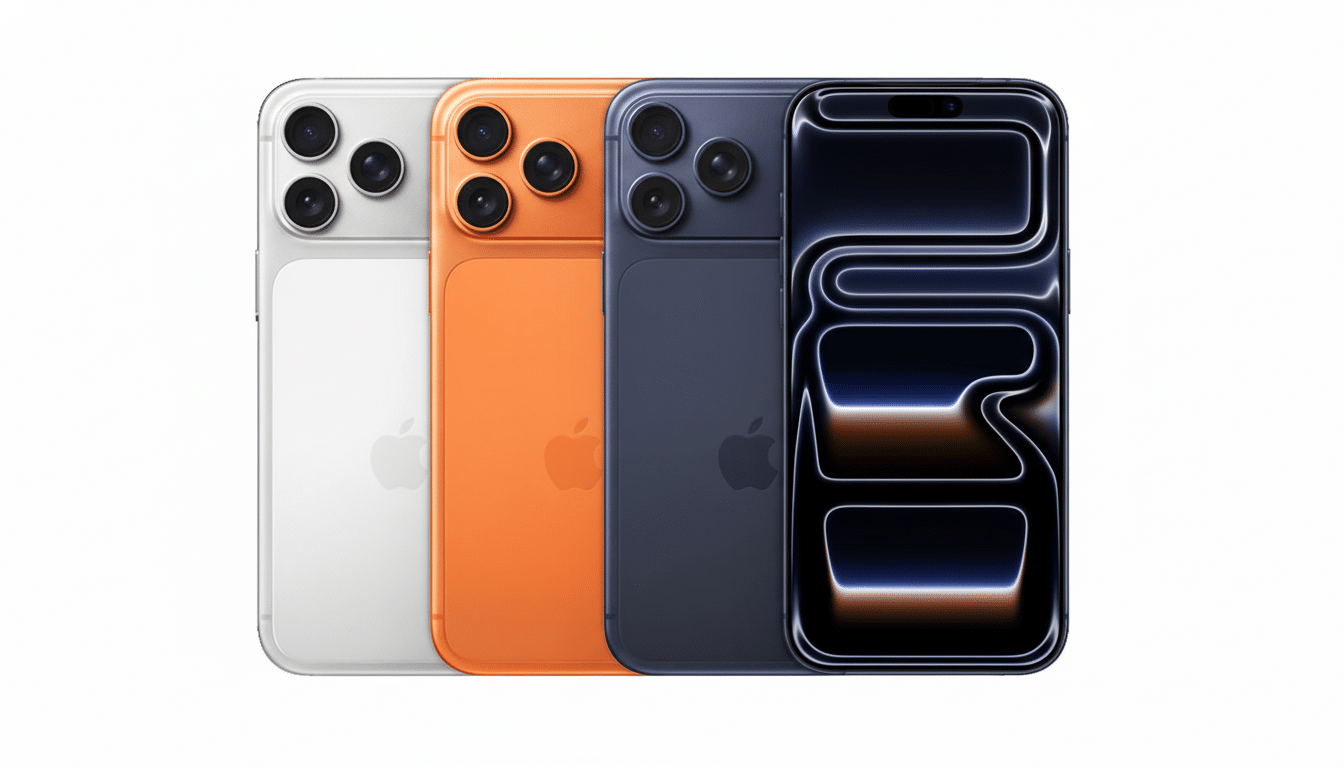
The second is Proximity Pairing for non-Apple accessories. It brings the familiar “just-open-the-case” experience, so long reserved for AirPods, to any compatible third-party product. We’re talking fast-pairing cards, stripped-down permissions, fewer setup steps. For consumers, that means less friction; for accessory makers, it cracks open a user experience layer that traditionally distinguished Apple hardware.
A third change, available only in the EU as well, is retooled Transfer to Android. The move increases data portability and makes it easier for users who want to take their photos, contacts and other personal information to a rival device. These moves also follow a broader EU probe open into Apple's connected devices terms, according to the Wall Street Journal. Additional reporting by Naomi Nix.
Why The DMA Hangs Like A Sword Of Damocles Over Accessories
The DMA also labels Apple a “gatekeeper” and requires interoperability when walled gardens could shut out competition. Two in particular are relevant here: making sure that third-party hardware can talk to the platform’s core functions, and ensuring it’s easy for people to switch platforms and take their data with them. The Commission has already opened investigations into non-compliance by several gatekeepers when it comes to app store rules, steering and access to hardware and software features. Apple’s ecosystem of wearables and accessories is a frequent flashpoint thanks to the commercial allure of seamless pairing.
Apple has said that tight integration protects security and privacy, but EU officials have insisted on verifiable, non-discriminatory access routes. That’s what Notification Forwarding and Proximity Pairing are, allowing rivals to compete on usability without having to reverse-engineer private APIs. This is, in practice, the sort of remedy the DMA had in mind: to lessen friction for users and create more room for developers while letting platform controllers exercise basic security checks.
What This Means for Users and Developers in the EU
The biggest win for iPhone owners in the EU is choice. If you want a running-dedicated sport watch, you will want to see more dependable alerts and less setup frustration. Fast pairing prompts won’t be an Apple exclusive if you’re in the market for earbuds. And if you’re switching phones, that data export should feel more comprehensive and less risky.
For developers and those making accessories, the calculus is different. A better out-of-box experience can improve conversion and retention, and reduces support costs associated with clunky onboarding. Accessory makers in the EU will likely promote “Works with iPhone Proximity Pairing” in their marketing once integrations are approved by Apple. The open question is how widely Apple will document these capabilities and where it will draw the line on advanced controls that might conflict with Apple Watch or AirPods features.
The stakes are not trivial. Europe accounts for about a quarter of Apple’s revenue, according to the company’s latest annual filings. Even relatively small experience gaps can tilt purchases in categories like wearables and audio where EU consumers have plenty of options. If these changes stay, a rival brand gets a fairer shake without people paying the usability tax.
Regulatory Context and the Future of iOS 26.3 in the EU
The European Commission has framed the DMA as a pro-competition reset, and it hasn’t been shy about enforcement. Prior actions against gatekeepers concerning steering rules and self-preferencing set the stage. The Commission, by linking iOS 26.3’s tweaks to its investigations, is telegraphing that compliance is more of a rolling process than a stand-alone software update.
Apple has traditionally geofenced some of its features driven by DMA to the EU, and this looks no different. The broader stance company-wide of expanding access while protecting platform safety narratives will continue to suffer nicks and cuts like this from developers who want more parity with first-party. Inexperience with risk could lead to two pressure points on the app, in which case perhaps apply greater restraint: “I’d like Zoombombing,” while being enabled under Zoom’s default saturation strategy of “Don’t restrict” (any mum can get easy access), could only be more difficult if there was political or popular clamour for otherwise.
iOS users in the EU region are getting the 26.3 beta. And as accessory manufacturers update apps and firmware to take advantage of those new pathways, you’ll start to see the results: faster pairing screens on non-Apple gear, less erratic smartwatch notifications and a smoother path for anyone eyeing a switch to an Android-based device. For regulators, that’s the point. For users, it’s overdue.
