


Bang & Olufsen is gambling that there’s room right at the top of the true wireless market. The company’s new Beo Grace earbuds, priced at $1,200, claim to deliver “wearable sculpture” and “serious acoustic engineering” — an unlikely combination of designer hauteur and audiophile ambition that might just reset expectations for what earbuds can achieve.
A design-first, but flagship-like build and finish
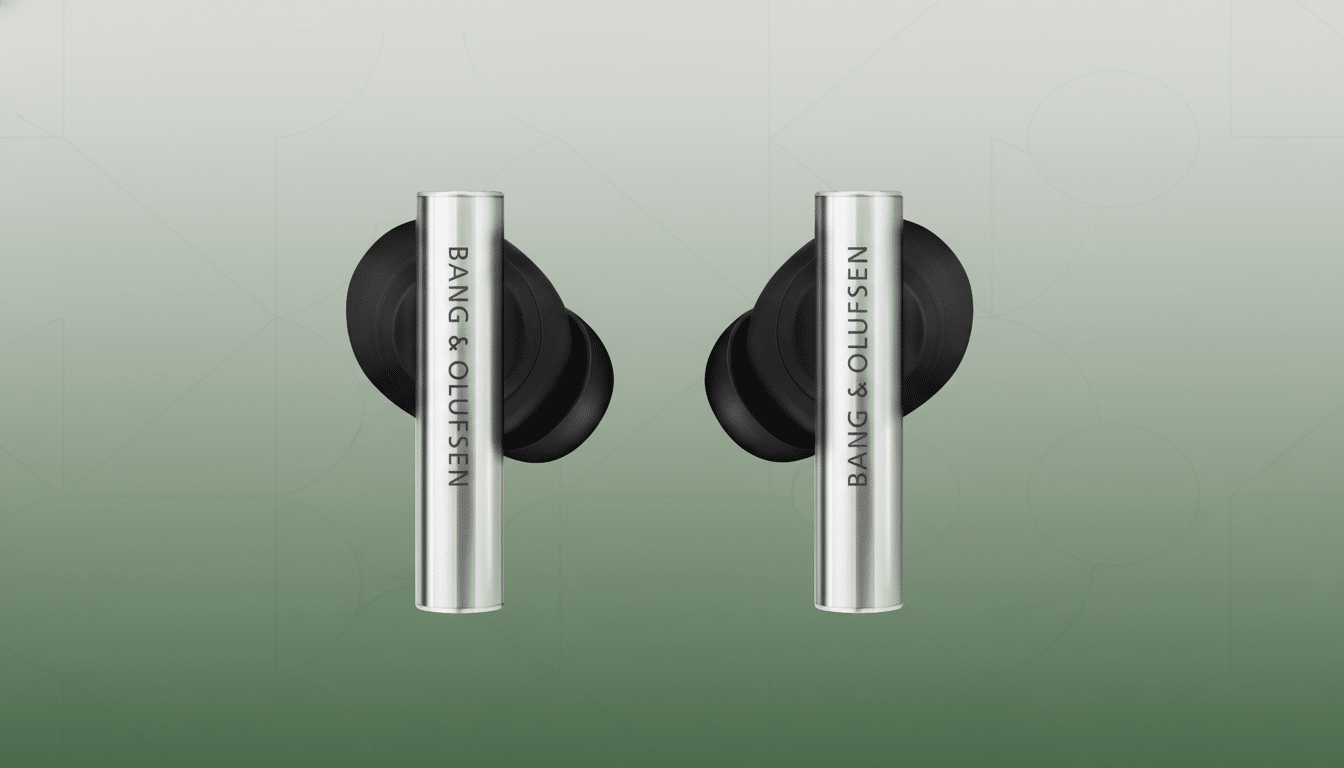
Where most earbuds strive for minimalism, the Beo Grace lean into presence. The polished aluminum stems are more like jewelry-grade hardware than consumer tech, and the pearl-blasted aluminum charging case reinforces that vibe. This is a purposeful antidote to glossy plastic; it advertises construction from pocket to ear.
- A design-first, but flagship-like build and finish
- ANC claims that don’t add up against market leaders
- Battery life: a trade-off for materials and tuning
- How the $1,200 Grace stack up in the earbud landscape
- Specs to watch: codecs, mics, latency, and long-term fit
- The bottom line on $1,200 earbuds and design-first audio
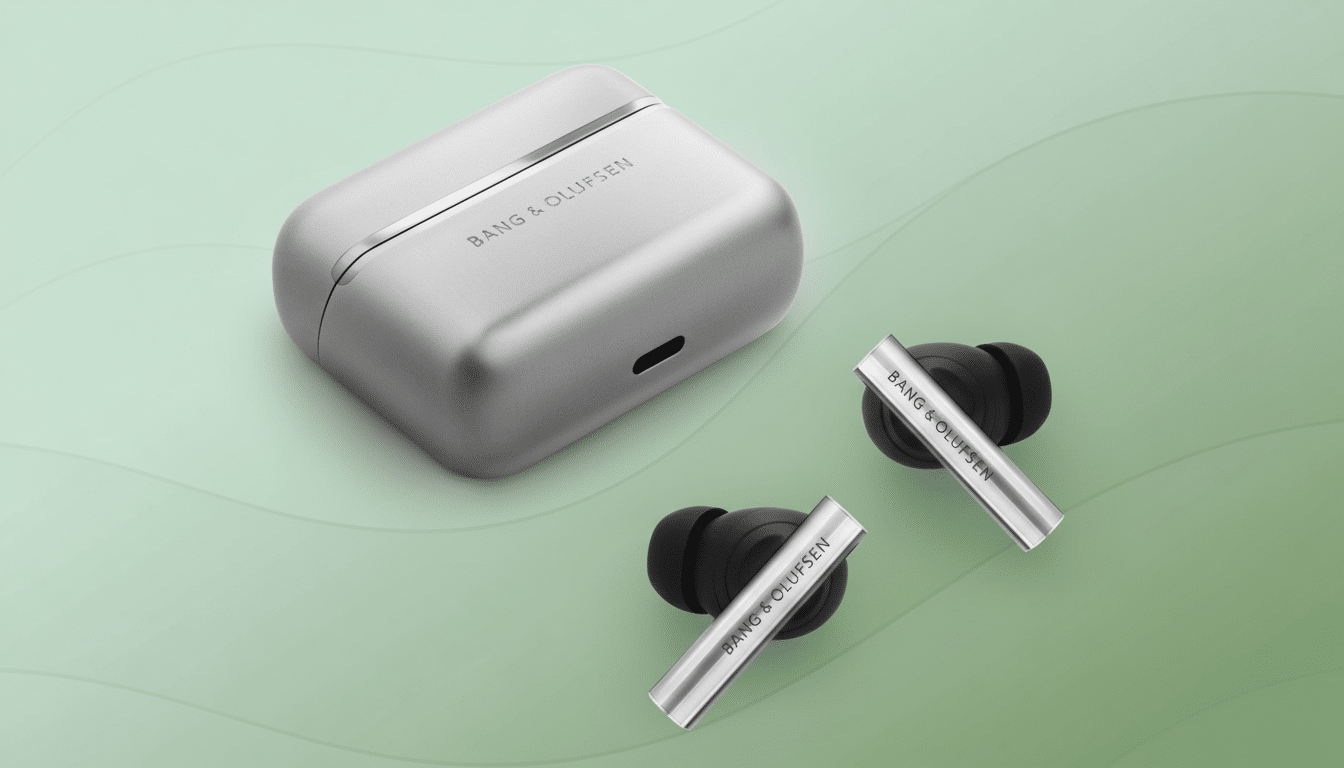
Beneath the metalwork, the company’s tonmeisters tuned the system using knowledge derived from its flagship headphones, Bang & Olufsen says. Translation: the backbone is a neutral-tilted signature. If the tuning is similar to the company’s best over-ears, the Grace may attract listeners who prize timbral accuracy and staging over straightforward loudness.
ANC claims that don’t add up against market leaders
The headline spec is active noise cancellation that’s “four times more effective” than the company’s previous earbuds. Real-world performance wasn’t all that either — were the Grace able to deliver on their theoretical promise, we’d be talking about them in the same breath as category leaders from Bose and Sony. It’ll all come down to seal quality, how the mic array handles wind, and just how hard-charging the earbuds are in their assault on low-frequency droning without overcooking pressure artifacts.
Bang & Olufsen has typically leaned toward a natural-sounding transparency and less-fatiguing ANC as opposed to brute-force attenuation. That kind of leap would involve better drivers, a bigger DSP, and something more than the current system’s basic feedforward/feedback mic.
Battery life: a trade-off for materials and tuning
The biggest compromise is endurance. The Beo Grace are rated at roughly 4.5 hours per charge, with the case extending total listening to around 17 hours. That’s well short of the 6- to 8-hour single-charge numbers common on mainstream flagships. The company responds that the batteries are designed to last, with better cycle life that should keep the product’s usefulness well past any TWS turnover.
That focus is underlined by a three-year warranty. If you are trying to sell a product that is being positioned as a luxury item, serviceability and durability matter just as much as the sound. And the $400 leather pouch option certainly adds to the “keepsake” approach, though that will come off as overkill to some.
How the $1,200 Grace stack up in the earbud landscape
At this price, the Grace sit above all other mainstream true wireless models and even give high-end in-ear monitors a run for their money on the cost front. To put that in perspective, bestselling premium models such as Apple’s AirPods Pro, Sony’s WF-1000XM5, and Bose’s QuietComfort Ultra can be had for a small fraction of that. In the audiophile world, these are not unheard-of four-figure prices — Sennheiser’s IE 900 and Campfire Audio’s Andromeda can both reach into this area (though they’re wired IEMs rather than TWS).
The move is aimed at a rapidly growing premium category of the enormous market. Still, those hefty numbers could complicate efforts to meet strong demand for premium models, with shipments exceeding 300 million true wireless units every year, per Counterpoint Research, and significantly faster growth in the premium segment. In a world where differentiation is harder to come by, industrial design and materials can be as important as codec support or driver topology.
Specs to watch: codecs, mics, latency, and long-term fit
Key questions remain. Audiophiles will want to see more than just SBC and AAC — LDAC or aptX Adaptive/Lossless would make the ticket worth pulling. On a headphone at this level, multipoint Bluetooth, low-latency modes, and solid beamforming on calls are table stakes. Ergonomics in the stem, tip options, and water/sweat resistance will determine if the Grace’s “sculptural” design also fades into comfortable nothingness on your long listening sessions.
Bang & Olufsen’s latest earbuds have prioritized great looks, with competent call quality and reliable connectivity trimming the fat. If the Grace add next-gen ANC and some high-bitrate codecs without sacrificing comfort, you’ve got a very rare all-rounder in a fancy shell.
The bottom line on $1,200 earbuds and design-first audio
At $1,200, the Beo Grace are unapologetically niche — a statement purchase that makes little concession to music quality and instead treats earbuds as design objects first and foremost. But if the focus on tuning, ANC leap, and long-term battery strategy hold up, it could help push the industry toward more lasting, materially elevated products. The market doesn’t want another AirPods clone; it wants new ideas. Bang & Olufsen is betting that the sculpture you can hear is one of them.
