


The days of Android’s fast‑charging standards being a fragmented mess are (slowly) coming to an end. The next generation of flagships will share common ground with a USB Power Delivery (USB PD) world that finally supports 100W over Programmable Power Supply (PPS), after years of proprietary brick and cable lock‑in. Xiaomi has jumped the gun on this after announcing its next 17‑series phone would accept full‑speed 100W PPS from other chargers — not just the one that came in the box.
That one change could have ripple effects throughout the industry. Universal 100W isn’t just all about big numbers, though; it promises easier travel, fewer chargers stashed away in drawers, and much better accessory compatibility for Android users worldwide.
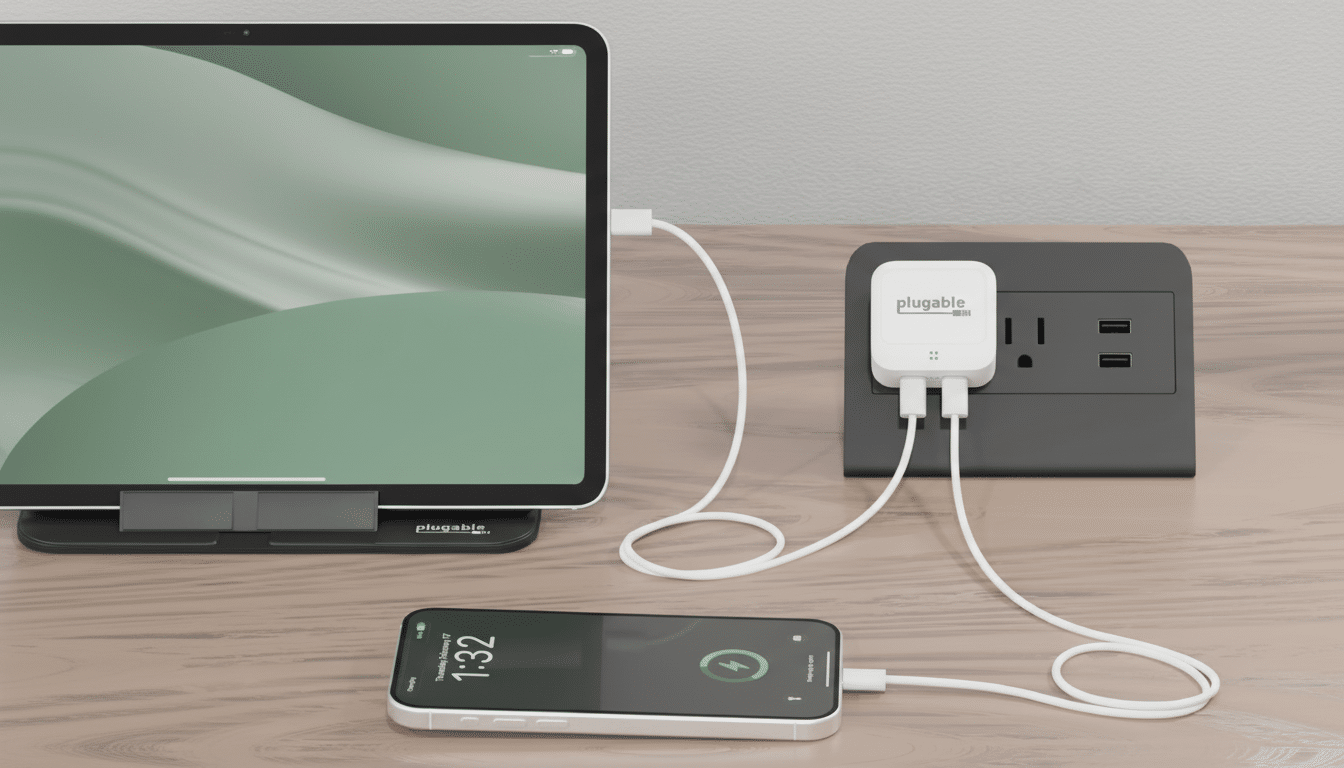
Why 100W USB PD PPS matters for phones and chargers
USB Power Delivery is the cross‑platform charging standard developed by the USB Implementers Forum. PPS, a critical extension, allows the phone and charger to constantly negotiate voltage and current in tiny steps, minimizing conversion loss along with heat while maintaining relatively high power. That’s the ceiling for most common PD 3.0 scenarios, which goes up to 20V at 5A/100W; PD 3.1 pushes that envelope to an even more generous‑sounding 240W for laptops and monitors.
Crucially, standards mean interoperability. One certified USB PD PPS charger should support fast‑charging phones across any brand, plus tablets, earbuds, and even many laptops. That lowers e‑waste and consumer confusion — goals that regulators including the European Commission have claimed as they press for USB‑C common charging across categories.
Xiaomi lights the path toward universal 100W charging
In company statements on Weibo, Xiaomi claims that 17‑series handsets will charge at the full 100W speed with USB PD PPS even when using non‑Xiaomi bricks and compliant cables. The company further adds that a full charge will take approximately 40 minutes, which suggests that its thermal‑ and battery‑management approach is solid at standards‑based power levels.
It’s a substantive departure from the status quo. The recent Xiaomi flagships relied on the in‑house HyperCharge for headline numbers, but then went all the way down to 27W or so when used with some generic PD chargers. And choosing the “universal” path automatically means eliminating one of the most common real‑world bottlenecks: the “wrong” charger.
New models’ battery capacities haven’t been officially disclosed, though supply‑chain rumblings suggested they would be bigger than before. Even if those larger cells do fill up on standard PPS in about 40 minutes, it’s a reminder of how far standards‑based charging has come from back when PD stood for “slow fallback.”
What this means for chargers, cables and heat
The great thing about a 100W PPS world is that you likely already own a charger for it. Along with wall adapters, GaN multi‑port chargers are abundant now too, and a lot of newer laptop bricks (from established companies at least) support 65–100W PD PPS. Backward compatibility and support for PD 100W allow one ultra‑portable adapter to do everything you need.
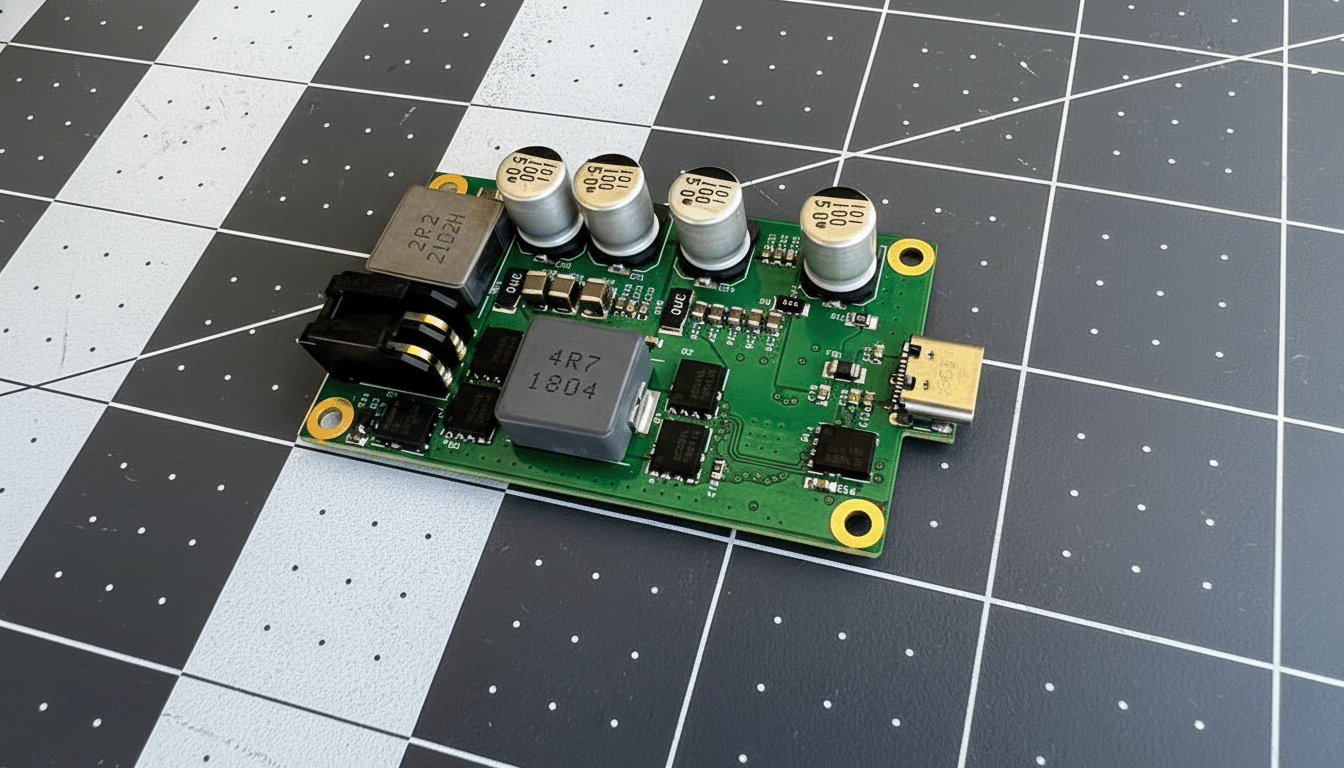
Don’t overlook the cable. Go fast enough, and the best way to power a MacBook will become its Thunderbolt 3 port: You only need a special e‑marked 5A USB‑C cable (most charge at around 3A and cap at 60W) for full‑speed charging of devices that take up to or beyond the maximum USB‑C PD standard of 100W. There isn’t much worse than bringing along your wall charger on a trip, only to find out there’s an undocumented max amperage requirement buried somewhere in the literature for it — the cable you’re using being too slow — so your device charges slower than if you could just plug it into another supported higher‑powered model. And when the phone, charger, and cable all talk PPS, they can fine‑tune power delivery for cooler temperatures.
Device makers use dual‑cell battery designs, high‑efficiency charge pumps, and dense heat‑spreading materials to tune the balance of speed vs sustained performance. PPS aids by sending optimal voltage to the battery, instead of making the phone use up energy in converting it. There will be strong early rates, early in the cycle, and a softer taper as we reach about 80% to care for long‑term health — advances that conform to guidelines from industry standards bodies like the IEC.
Rivals and the ecosystem pressure shaping charging
The competitive pressure borne of universal 100W support is good. Samsung’s current Galaxy phones range up to 45W over PD PPS, while Google’s phones hover in the 27–37W region depending on model and charger. Apple’s iPhone 15 family utilizes USB‑C and PD, but it caps out around 27W in the vast majority of situations. In contrast, Chinese brands such as OnePlus, OPPO, and vivo are pushing 80–150W proprietary implementations that aren’t compatible with third‑party bricks.
By making 100W the fastest route via open standards, Xiaomi sets a clear bar for others to follow. Accessories get access to a wider pool of compatible devices and the consumer wins by having to make simpler purchasing decisions. Analysts and companies themselves, like IDC and Counterpoint Research, have been saying for a long time that it’s faster to grow a standards‑based ecosystem, and you get fewer headaches as far as interoperability goes — this is what they’re talking about in practice.
What to watch next as universal 100W charging rolls out
The big “ifs” at this point: will OPPO, OnePlus, and vivo switch their next flagships to 100W PD PPS? Can Samsung do 65–100W while playing within PD’s safe and compliant guardrails? PD 3.1’s greater power range. If you can plug in your phone, the same charger could fast‑charge a power‑hungry laptop; PD 3.1 would help normalize this diversity of devices.
If you’re buying ahead, the safe bet is a certified USB PD PPS charger of 65–100W and an e‑marked 5A cable.
With universal 100W fast charging making its way onto Android flagships, the coming age of proprietary speed traps now seems poised to die out — one that will eventually get replaced by a simpler, greener, and far more ecosystem‑friendly world of power.
