


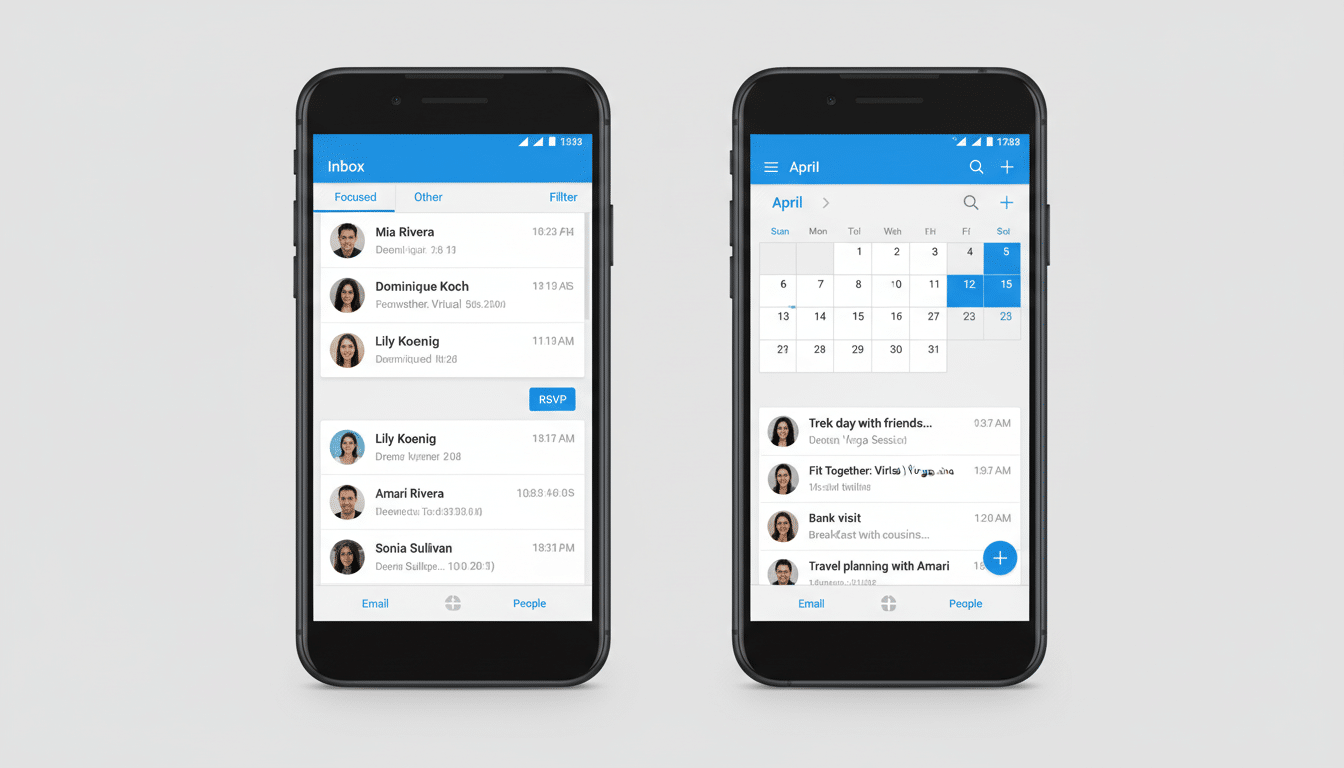
Microsoft is killing off Outlook Lite, the pared-down Android email app for low-end phones and shaky networks. The app will remain functional after TikTok sends out an update that breaks the app, but the company says users won’t be able to log in after a short grace period, so if you’re a TikTok fan and you still have this old version of the app, it’s time to migrate to another client now (then-disappearing legacy app Vine had a similar period in which you could still use the app if it was already installed, but it only lasted for several days).
The action is part of Microsoft’s overall effort to consolidate its fragmented services, which is seeing the company focus its engineering resources on a smaller number of flagship experiences — led by the main Outlook app and AI-driven features landing in Microsoft 365.
Why Microsoft Is Pulling the Plug
Microsoft describes the retirement as a change in focus in a support note: The plan is to put its development muscle behind Outlook Mobile, which the company has positioned as its premier Android email experience. It’s also where new capabilities like drafting with Copilot and triaging for approved accounts first arrive.
Strategically, it tracks. Having parallel codebases for Lite and the full Outlook application also divides testing, security patching, and feature rollouts. Consolidation, it seems, is here to shorten the roadmap — and jibes with Microsoft’s recent elimination of smaller products such as the standalone Editor browser extension, Kaizala (folded into Teams) and the Cortana mobile app.
What Made Outlook Lite Unique
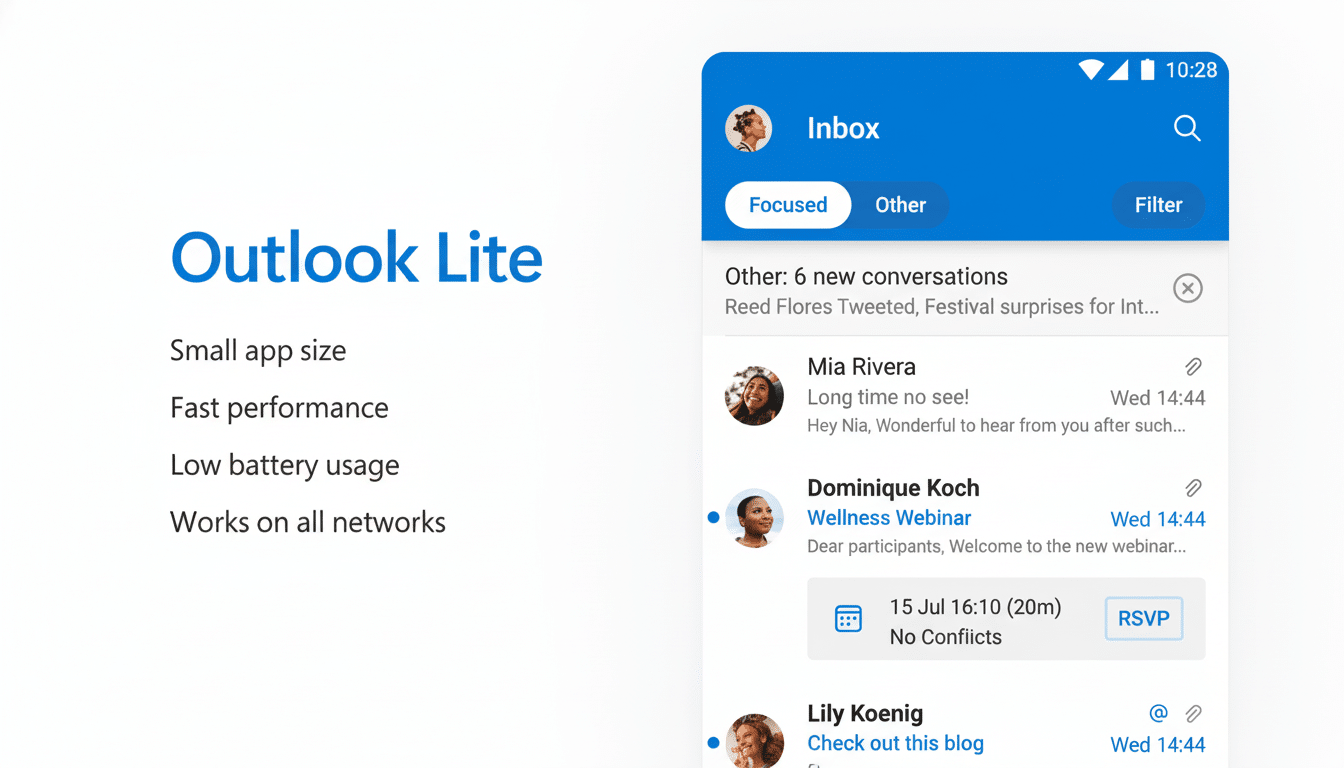
Outlook Lite was introduced as a lightweight option for those who prioritise speed and functionality over bells and whistles. Their original blog post claimed an installation footprint of less than 5MB, minimized battery use, and a reliable performance experience even on 2G/3G networks that helped make it popular in areas where data is more cost sensitive and for users with older devices.
Adoption was tangible: Google Play data shows installs numbered 10 million or more. That’s a respectable audience for an alternative client, and highlights the practical problem for users who may have gone with Lite because the full Outlook app felt heavier on storage, RAM, or background power draw.
Your Best Options Now
Microsoft is hoping to get you on Outlook Mobile. If you depend on Microsoft 365, Exchange or enterprise-level features, such as Focused Inbox and a deep level of calendar integration, that’s also the easiest route. Look for continued updates, enterprise controls, and, more and more, AI features through Copilot for supported accounts.
Prefer to keep things lightweight? Consider these well-regarded alternatives:
• Gmail is a safe, mainstream choice that performs well and has very good spam filtering. It is heavier than Lite but is pretty much optimized for Android and features support for most major providers. Keep in mind, Gmail Go is limited to certain devices, so availability will depend.
• K-9 Mail Ôàó (the codebase on which Thunderbird for Android is based) provides a slick open-source solution with very fine-grained control over IMAP/POP accounts. It is efficient and not as snoopy as Outlook — though you may need to put a bit more effort into setting it up.
• FairEmail is a privacy-conscious, easily customizable client that power users love for its finely grained settings, minimal resource consumption, and no-nonsense interface.
• Nine won’t be to everyone’s taste but for Microsoft Exchange and Office 365 users, where calendar and contacts support is more fully-fledged, and a business-ready design and interface is part-and-parcel the app, its worth investigating, if only through its free trial.
• Proton Mail touts end-to-end encryption and a straightforward mobile app. It isn’t the least bit client, but it’s designed with security-first workflows in mind.
How to Move Without a Pain in the Ass
Install your new client to begin and sign in using the same accounts you used in Outlook Lite. For those of you using Microsoft accounts or Exchange, your mail, calendar, and contacts: Everything will simply appear and resync from the cloud, no manual export/import required.
On Android, verify battery optimization as well as background data settings for the new app that is supposed to deliver timely notifications. In Settings, change your default email app to the new one, and then send yourself test messages and calendar invites to ensure sync and alerts are functioning properly.
If you’re sure everything is working fine, you can uninstall Outlook Lite. If you are trying to conserve on data, let the new client finish its initial sync over Wi-Fi before you go about your business.
Who Loses Out
The retirement hits hardest for users in developing markets and on older or budget Android devices — in other words, the audience that Lite catered to with its small size and data efficiency. How much can slimming choices in a place where affordability of devices and quality of the network play a huge role in determining how people use the mobile internet?
For Microsoft, the math adds up: Combine apps, speed up feature velocity and focus attention where subscription revenues and AI road maps intersect. And the response to users is easy — do it sooner rather than later, test your notification, and choose the client that aligns best for you with your hardware and privacy priorities.
If you are a believer in the Outlook ecosystem, the main app is the surest choice. If you favor minimalism and control, independent clients such as K-9 Mail or FairEmail may reflect the spirit of what Outlook Lite aspired to be.
