


Mark Zuckerberg is all-in on AI eyewear. On Meta’s latest earnings call, he argued it’s “hard to imagine” a future where most everyday glasses aren’t smart, citing a surge in demand and claiming sales of Meta’s Ray-Ban line have tripled year over year. The bet is clear: hands-free AI, anchored to what you see and hear, will become the next mainstream interface.
Why Meta Is Betting on AI Eyewear for Everyday Use
Billions of people already wear glasses or contacts. Zuckerberg’s analogy is the smartphone era, when feature phones gave way to smarter devices in short order. If AI assistance becomes ambient, it makes sense to place it on your face, not buried in a pocket.
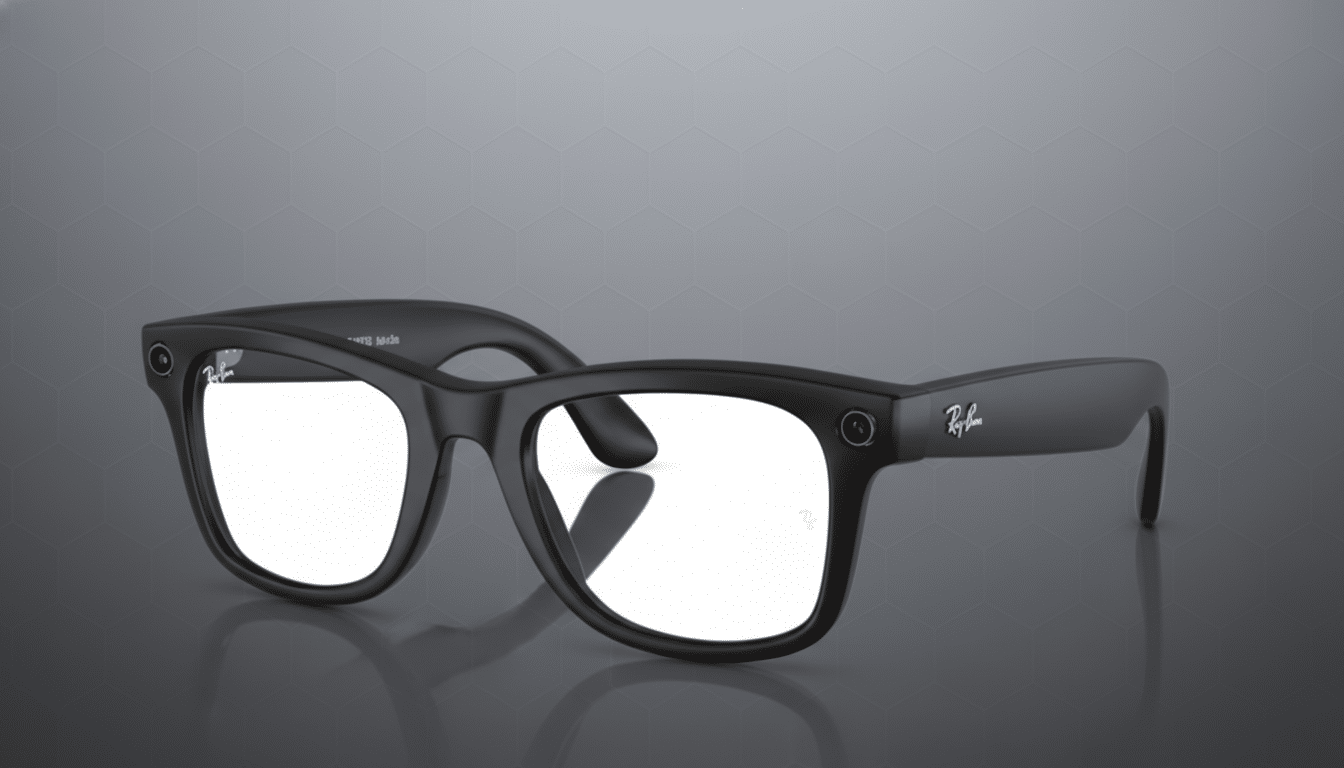
Meta has reoriented Reality Labs toward AI wearables and models after years of heavy investment in immersive platforms. The company has absorbed tens of billions in operating losses building this stack, according to its filings, but executives contend the groundwork—custom silicon, spatial mapping, and on-device AI—now positions Meta to scale consumer glasses.
Ray-Ban Meta glasses have become a proving ground: a camera and microphones for capture, voice-first controls, live streaming, and an assistant that can answer questions about your surroundings. The pitch isn’t just novelty; it’s a shift from app grids to eyes-up computing where the assistant sees what you see.
The Competitive Landscape for AI-Powered Smart Glasses
Meta won’t have the lane to itself. Apple is widely reported by Bloomberg to be exploring lightweight AR eyewear as a complement to its broader spatial computing strategy. The company’s emphasis on on-device intelligence and tight hardware-software integration makes glasses a logical long-term extension.
Google has cycled through multiple prototypes, from translation demos to vision-language agents, and absorbed Canadian smart-glasses startup North. Snap continues to iterate on Spectacles for creators and developers, keeping fashion and fast capture at the forefront while testing AR overlays.
Even AI-first players are circling the category. Reports have linked OpenAI to explorations of novel AI hardware, while startups have tried pins and earbuds as alternatives to glasses—efforts that underscore interest in ambient AI but also highlight how difficult it is to balance utility, battery life, and social acceptance.
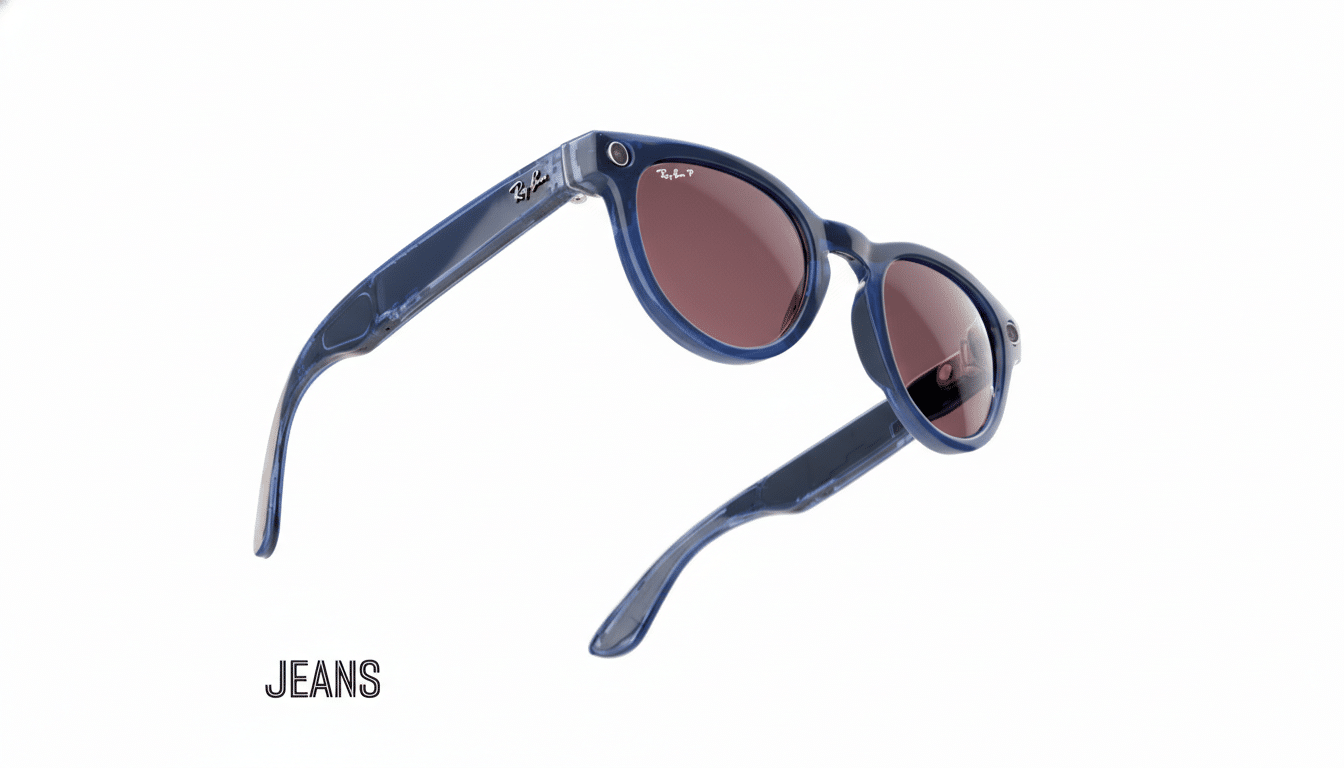
What Makes AI-Enabled Glasses Different From Phones
The killer feature is context. A multimodal assistant that has access to your field of view can translate a menu, explain a museum exhibit, or guide you through a repair without occupying your hands. It can capture moments while you bike or cook. Accessibility use cases are particularly compelling; vision-based assistance similar to services used by people with low vision becomes far more natural when embedded in eyewear.
Under the hood, the stack is maturing. Chipmakers are building eyewear-specific processors that handle camera pipelines, low-power inferencing, and sensor fusion. Waveguide displays are getting thinner and brighter. Hybrid architectures offload heavy AI tasks to the phone or cloud while keeping latency-sensitive tasks on-device. The throughline is power efficiency—every milliwatt saved buys comfort and minutes of use.
Risks and Adoption Hurdles Facing Smart Glasses
Privacy remains the thorniest issue. The backlash to early camera glasses showed that social norms lag technology. Clear capture indicators, strict default settings, and visible controls are now table stakes. Regulators are watching too: rules around biometric data and real-time identification are tightening in major markets, and companies will need auditable safeguards to ship at scale.
There are practical hurdles as well—comfort, battery life, prescription support, and style. People tolerate bulky headsets for short sessions; they won’t for all-day wear. Price matters, and so does distribution: opticians, carriers, and big retail partners will shape adoption curves. As a reference point for how quickly a paradigm can flip, Pew Research has found that smartphone ownership in the U.S. climbed from roughly 35% to 85% over about a decade.
What to Watch Next for Mainstream Smart Glasses
Three signals will indicate whether Zuckerberg’s prediction is on track.
- First, comfort metrics: grams on the face, battery hours with the camera and assistant active, and heat.
- Second, software breadth: robust developer tools, multimodal AI that works offline, and seamless handoff between phone and glasses.
- Third, trust: transparent data practices, enterprise policies for workplaces, and clear opt-in for sensitive features.
Zuckerberg’s certainty won’t make the transition inevitable, but the momentum is unmistakable. If big-tech investment, maturing components, and credible use cases continue to align, smart glasses could become the default way people tap AI in daily life—even if they never reach the universal scale of the smartphone.