


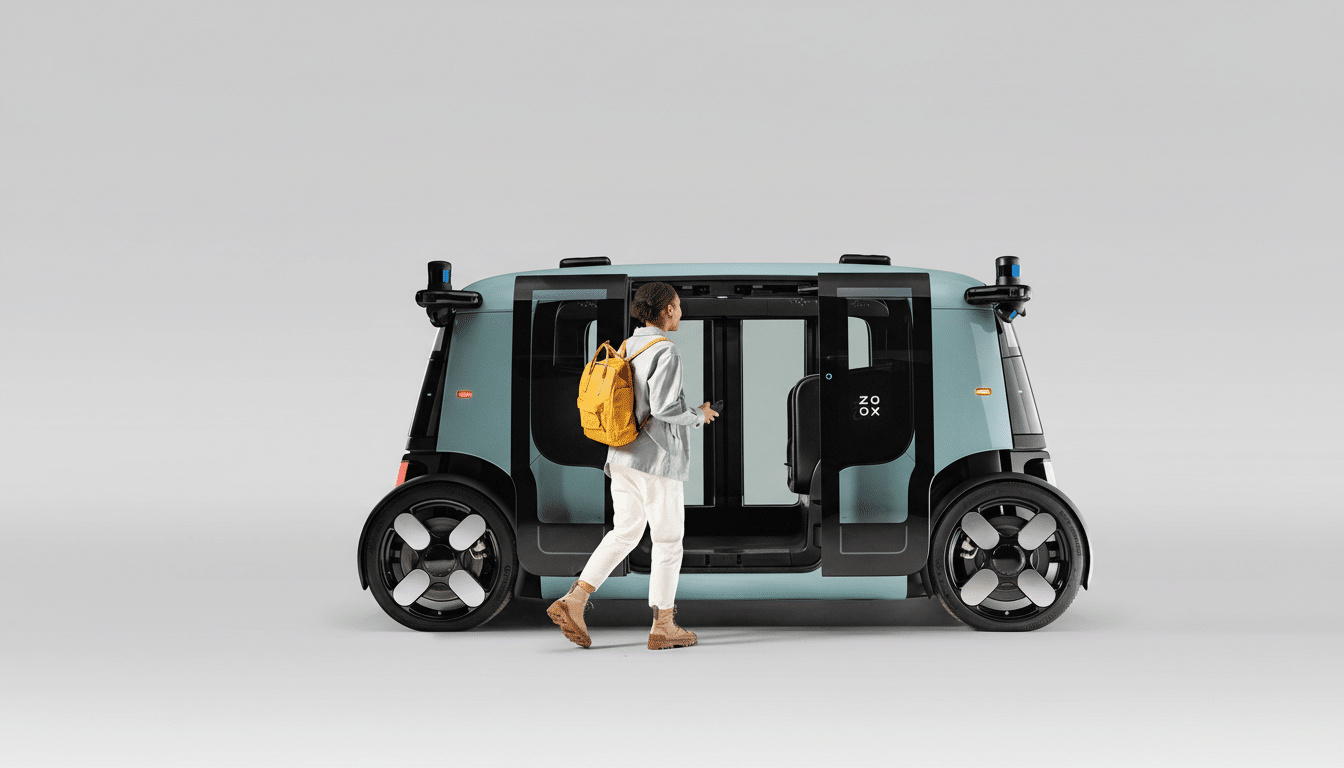
Zoox, which is owned by Amazon, issued a voluntary software recall for 332 of its autonomous vehicles after the company’s robotaxis repeatedly veered into oncoming lanes while going through intersections. The company reported the behavior to federal regulators and sent out over-the-air fixes meant to firm up the lane-keeping and intersection behaviors even as it did not take vehicles off the road.
What the Zoox autonomous vehicle recall covers
In a filing with the National Highway Traffic Safety Administration, Zoox said its system for automated driving could in some circumstances partly or completely intrude into an oncoming lane. Reports of those situations were red-flagged 63 times by the company’s internal monitoring, frequently after a vehicle completed a wide right turn or got routed to a destination at the last minute as it moved toward an intersection.
- What the Zoox autonomous vehicle recall covers
- Why the vehicles drifted across lanes near intersections
- A widespread AV pain point at complex intersections
- Operational impact and oversight following the recall
- Context in the robotaxi race and competitive landscape
- What to watch next for Zoox’s autonomous service updates
While no crashes were associated with the behavior, which Zoox identified as risky, encroachment near intersections limits cushion space against cross traffic and oncoming vehicles. The recall is associated with software logic and perception tuning and not hardware, and it has been applied to all cars in the fleet through a set of corrective software updates.
Why the vehicles drifted across lanes near intersections
Three things led to the moment, according to Zoox’s telling: misclassifying double-parked vehicles, which warped what the machine thought was a lane boundary; last-second reroutes near intersections; and cautious moves that should have kept cross traffic clear but instead nudged the vehicle out over the centerline.
Engineering changes were focused on the stack across multiple layers. Perception was sharpened to better handle occlusions and irregular parking configurations; prediction and motion planning were tightened to apply more conservative criteria for lane-boundary compliance during turning; fallback behaviors were modified so that when uncertainty spikes the vehicle will opt for a controlled stop and replan in favor of maintaining a marginal trajectory.
A widespread AV pain point at complex intersections
Nobody likes an intersection encroacher as a classic edge case for autonomous systems. At corners the vehicle has to merge imperfect map data with dynamic road users and temporary obstacles, while remaining on a legal path. Even though the errors in object labeling and path re-optimization are minimal, they can still cause a lateral shift of a few feet that could cross a centerline.
Regulators are evolving their way of thinking about these issues as safety-of-the-intended-functionality threats. NHTSA has also pressured automakers and AV operators to submit software recalls whenever behavior that is observed significantly increases the risk of a crash, as was the case with Tesla’s driver-assistance updates, and other robotaxi developers’ fix files.
Operational impact and oversight following the recall
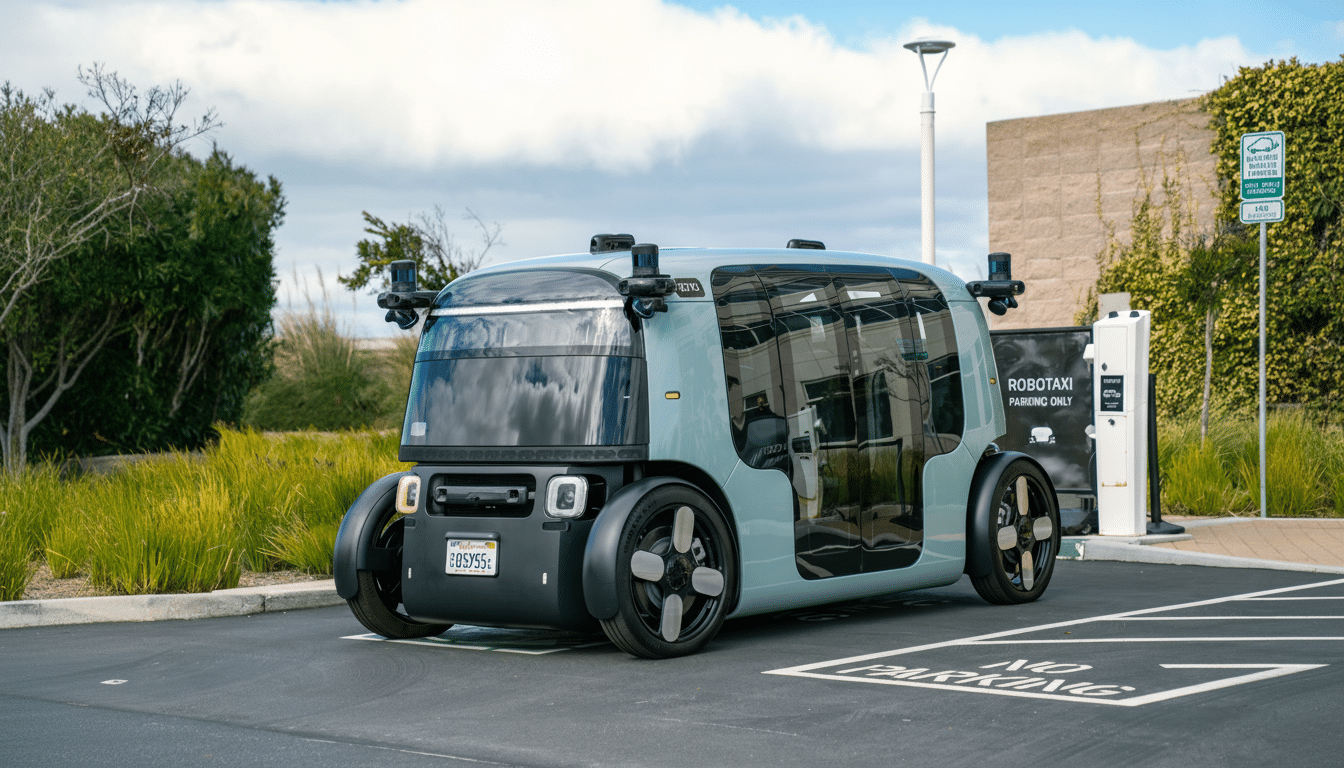
Since Zoox owns and runs its fleet, there were no dealers or private owners to inform. The vehicles were updated over the air, and the company said the fix now included all affected robotaxis operating on public roads. Zoox is still operating limited public service runs in geofenced locations throughout San Francisco and Las Vegas, however, where trained safety operations staff supervise performance data in real time.
Zoox underscored that continuous validation with simulation and closed-course testing was necessary to represent the very intersection conditions that resulted in the drift. This loop—log a behavior, rebuild it in high-fidelity simulation, patch the stack and regression-test over thousands of similar scenes—is now par for the course for autonomous operations.
Context in the robotaxi race and competitive landscape
The recall highlights the ways competitive pressure intersects with safety milestones. Waymo, which is widely seen as the scale leader now, has said it provides hundreds of thousands of paid rides each week across its service areas. Cruise, on the other hand, is under intensified attention after its own safety missteps and operational halt. Zoox has pursued a more deliberate path to commercialization, testing its own vehicles and slowly scaling up public trials.
Industry sources note that, while headline-grabbing, the rollout of these corrective updates serves to show in public how the safety case is maturing. Solid post-incident analysis, open public reporting and quick over-the-air fixes can lower the risk of recurrence more than traditional vehicle recalls that require physical service appointments.
What to watch next for Zoox’s autonomous service updates
You will know based on whether the telemetry is showing a continued drop in improper encroachment under similar conditions. Expect continued reporting to regulators, additional perception and planning refinements related to complex intersections and more expansive disclosures around performance metrics like miles between safety-relevant interventions.
For riders, the difference should be invisible — safer lines that hug the lanes closely as they slip through tight turns and busy intersections. It’s another test for Zoox of how quickly and credibly a robotaxi operator can spot, disclose and correct the rare-but-critical behaviors that make up most external measurements of public trust in autonomy.