


Amazon-owned Zoox is expanding its autonomous vehicle testing to Washington, D.C., marking the second spot it’s working on developing and testing self-driving vehicles.
The company is bringing its fleet of test vehicles to the city as Argo AI begins mapping streets and collecting data to help refine self-driving technology. The company starts with manually driven Toyota Highlanders equipped with sensors and its self-driving stack, before moving to on-road testing using trained safety drivers and, ultimately, fully driverless operations.
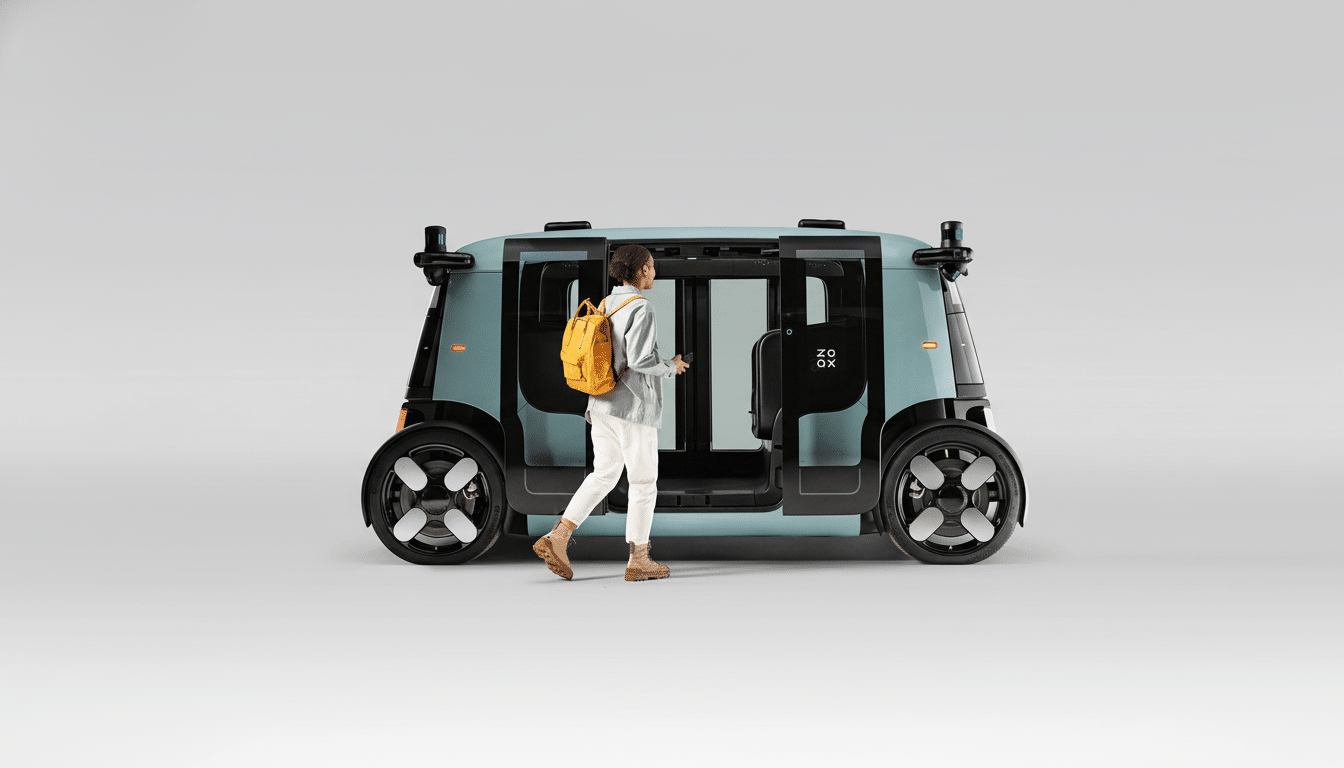
The expansion is Zoox’s eighth location for testing, alongside Austin, Atlanta, Los Angeles, Las Vegas, Miami, San Francisco, and Seattle. It also fits into Zoox’s larger plan: to prove out its custom robotaxi, which has no steering wheel or pedals, in a variety of urban environments before it goes into commercial service.
Why Washington, D.C., Makes Strategic Sense for Zoox
D.C. presents a heady cocktail of tight downtown streets, traffic circles, intersections with multiple signed routes, protected bike lanes, bus-only corridors, and the closure of roads at random intervals around federal buildings. That randomness is precisely what autonomous systems require to progress, testing perception and planning software against edge cases that are difficult to simulate on a test track.
Another selling point is the region’s multimodal profile. Known for having one of the highest transit and walking shares in the United States, it is a good proving ground where AVs can learn to interact safely with buses, bicycles, and scooters, as well as large numbers of pedestrians. Seasonal weather—rain, snow, and leaf-covered roads—provides additional signals for training and validation.
D.C. is also a policy hub, and being close to the action matters. Zoox’s presence in front of federal regulators enables Zoox to show safety practices to agencies that shape national standards. Coordinating with the District Department of Transportation and the DMV, which regulate local AV testing permits, will lay out city-level playbooks on curb management, data sharing, and equitable service areas.
What the Washington, D.C., Testing Program Will Involve
Zoox will begin with high-definition mapping drives using roof-mounted lidar, radar, and cameras to record lane markings, traffic signals, signs, and typical road user behavior. Look for the first routes to include downtown corridors, bridge approaches, and neighborhoods with four-way stops — all places that will stress-test low-speed maneuvers, unprotected turns, and high volumes of vulnerable road users.
In the second phase, Zoox would test driverless on-demand miles with human safety operators behind the wheel. This intermediary step enables the company to track disengagements, improve routing, and iterate on software releases before bringing in its bidirectional robotaxi built for geofenced service. The cabin of the custom vehicle, which holds four riders facing each other, is designed for short urban commutes and has redundant braking, power, and perception systems to help ensure the vehicle would keep operating safely if some component failed.
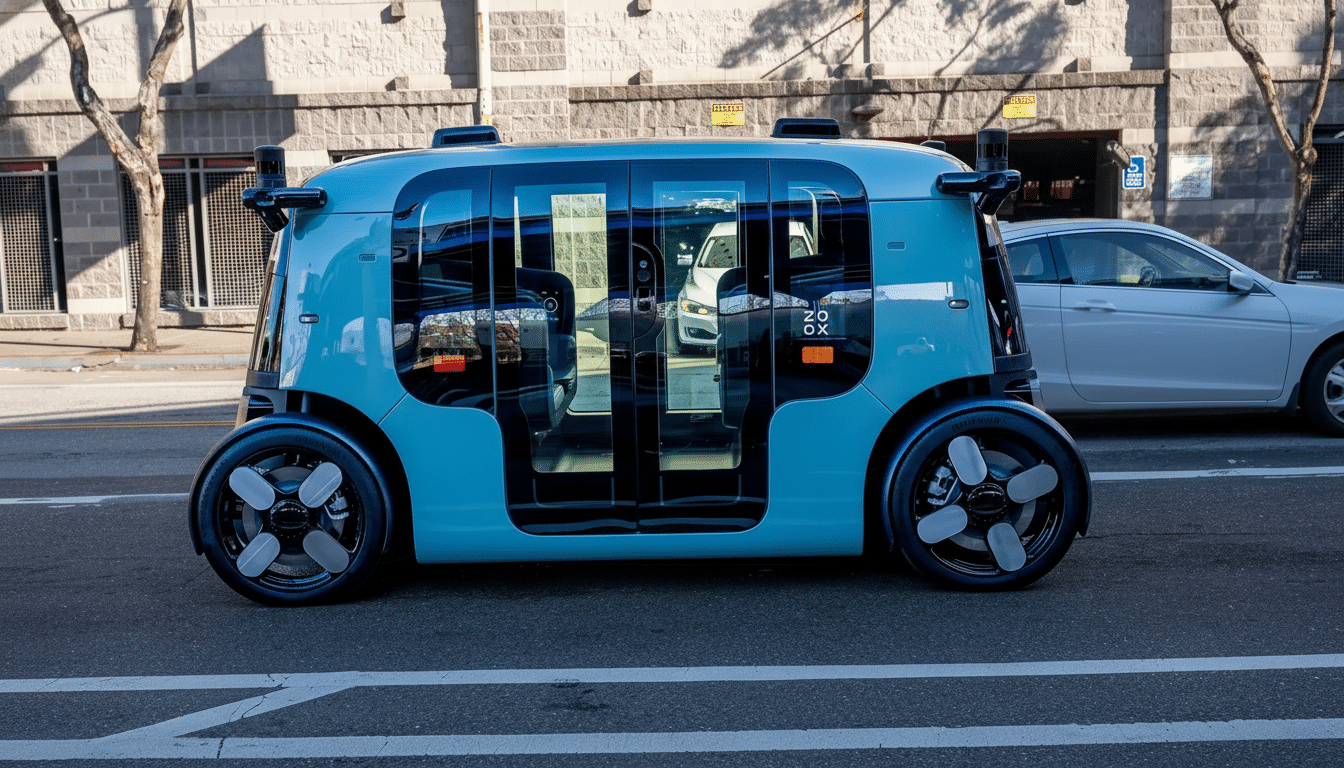
Zoox said it provides condition reports to local officials and abides by standard privacy practices for mapping data. The firm also uses remote assistance to offer vehicles additional context when they encounter unfamiliar situations, while making driving decisions directly on the vehicle’s autonomy stack.
Regulatory Path and Safety Expectations for D.C. Launch
Zoox was recently granted a National Highway Traffic Safety Administration exemption that lets it show off its specially designed robotaxis on public roads for research and demos — an important milestone because the vehicle is missing traditional controls. The company has separately applied for permission to operate the vehicle commercially, which would expand its operations beyond pilot demonstrations.
Local oversight will be equally critical. D.C.’s transportation and motor vehicle agencies review safety plans, insurance, and reporting of incidents before granting permits. National groups, such as the National Transportation Safety Board, have stressed strong safety cases and transparent reporting around automated systems; consumer surveys from AAA find that approximately two-thirds of drivers continue to express concern about fully self-driving cars. Earned trust will depend on conservative rollouts, clear rider education, and quantifiable safety results consistent with the precept of Vision Zero.
Competitive Context and Market Stakes in Washington, D.C.
By planting a flag in D.C., Zoox places itself in a key policy market where competitors have not yet developed full-fledged robotaxi operations at scale. Waymo has zeroed in on Phoenix and sections of California and Texas, while a handful of other players have trained their eyes on Las Vegas and select Sun Belt cities. Zoox has opted for D.C., which provides the company with access to a dynamic metropolitan matrix and direct sightlines with federal stakeholders that will help decide national deployment rules.
The company has already deployed free robotaxi service in Las Vegas and started testing its custom vehicles in San Francisco, indicating a gradual march toward multi-market service. With a victory in D.C., Zoox would have a high-profile East Coast credential, and perhaps also bolster its amusing contention that the company’s purpose-built vehicle can handle a broad range of conditions.
What It Means for Riders and for the City
Should testing go as planned, D.C. residents could see service areas emerge behind carefully geofenced lines — subsets of short, dense trips that feed into the Metro and bus networks. And for the city, partnerships around curb loading zones, late-night service gaps, and data-driven safety interventions could bring real value as long as pilots can be aligned with planning objectives and equity commitments.
The bottom line: D.C. provides Zoox with the complexity, visibility, and regulatory proximity to justify its robotaxi at scale. But success here would not just be another pin on a map; it would tell the world that this technology is ready for mainstream commercial use in any number of transit-rich cities.