


The push by YouTube, with some new features, is moving more accounts into restrictive settings unless users can prove they’re adults. For years, the platform has relied on signals like watch history to infer age, but now it’s turning up the dial on verified proof when those predictions aren’t strong — prodding people to submit a government ID or confirm through a credit card. Those who do not comply are having their accounts restricted to “child-friendly” features and content.
What’s changing for viewers under stricter age checks
Viewers encountering age verification are hitting more hard stops on content labeled 18+ or other sensitive videos. If YouTube cannot discern a viewer’s age from activity and account information, it is asking for documentation. And those who don’t toe the line are having their experience transitioned to something akin to supervised: Restricted Mode defaults to on, comments and live chat are limited, some search results are hidden, and age-restricted videos are blocked altogether.
- What’s changing for viewers under stricter age checks
- Why the clampdown is escalating across regions
- How the verification works — and the privacy trade-offs
- What users are saying right now about stricter gates
- What it means for creators and advertisers
- When child settings are restricting your account
- The bottom line on YouTube’s expanded age verification
Messages on community forums suggest these lockouts have significantly surged as well. Multiple posters on Reddit said they were being pushed into child settings after dismissing verification prompts. The move corresponds with YouTube’s previously highlighted intention to ramp up U.S. enforcement after early tests in Europe.
Why the clampdown is escalating across regions
Regulatory heat has risen globally. In the U.S., the Federal Trade Commission’s $170 million settlement over children’s privacy violations with Google under COPPA was a major turning point for stronger youth safety measures on big platforms. In the EU, the Digital Services Act increases responsibilities for protecting minors, and the Audiovisual Media Services Directive has long mandated age-appropriate safeguards. Ofcom is preparing binding codes of practice for such duties under the UK’s Online Safety Act.
For a service with over 2.5 billion monthly logged-in users and hundreds of hours of video uploaded per minute, automated measures alone are ill-equipped to keep up. Verified age checks mitigate legal risk, enhance brand safety for advertisers, and allow YouTube to show it complies at scale.
How the verification works — and the privacy trade-offs
YouTube employs a tiered approach. If machine learning can’t determine with high confidence that a user is over 18, then it prompts a manual step. This may involve uploading a government-issued ID or passing a credit card check, which verifies age via a small temporary authorization. The company claims that ID images are encrypted and discarded following verification, and the payment method check does not hold card details for this purpose.
As it happens, some other services have experimented with face-based age estimates, but YouTube’s U.S. flow involves ID or credit card. Privacy-focused activists insist on privacy-preserving proofs (like zero-knowledge credentials) which attest to adulthood but reveal no individual’s full identity. Groups like national labs and regulators, including the National Institute of Standards and Technology in the U.S. and European data protection authorities, are considering these approaches, but mainstream use is still rare.
What users are saying right now about stricter gates
Over the past week, there have been multiple Reddit posts about longtime viewers suddenly running into age gates and subsequently being moved to child settings after avoiding prompts. One poster who goes by the handle Basic-Opposite-4670 and another going by YoungMrBlue say their feeds, search results, and comments changed overnight. Although anecdotal, the number of such reports indicates that enforcement is scaling, not just a one-off in tests.
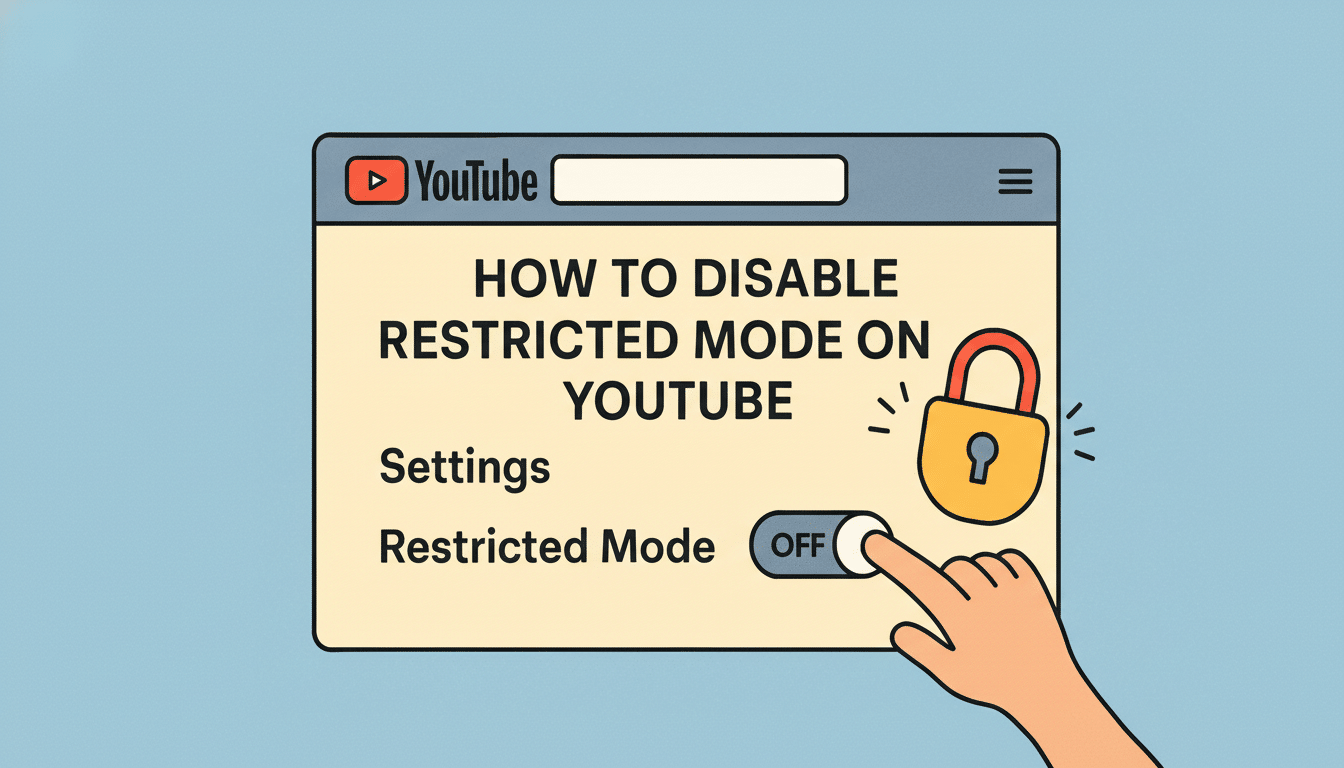
For users who are impacted, the switch is anything but subtle. Content recommendations skew young, many creators’ back catalogs are partially blocked, and features tied to mature content — some live streams, for example — go dark. When you sign out, it is not confirmed that your access to restricted content is reversed.
What it means for creators and advertisers
Channels that release edgy or adult content may experience declines in viewership if more of their audience lives behind verification gates. That friction may also prompt creators to better optimize metadata and thumbnails to steer clear of unwarranted flags. On the upside, tighter age verification can be a confidence booster for advertisers. With YouTube’s advertising business bringing in tens of billions in annual revenue, there is a big push among top buyers to bolster brand-safe environments.
Anticipate that creators will talk more openly about age ratings and begin to promote verified accounts for complete access. In the long run, better age signals could help calibrate content restrictions as well, lessening over-blocking that annoys adult consumers.
When child settings are restricting your account
First, verify the birthdate listed in your Google Account profile; any discrepancies there can lead to restrictions. If confirmed, you can decide whether to verify via ID or credit card and continue with the on-screen instructions. Make sure that you are signed in to a standard account and not one with supervised or family-managed restrictions — these accounts have limitations by design.
If you feel the classification is incorrect, please prompt a review using the in-app feedback tool and account help channels.
For homes with children, consider child accounts or YouTube Kids so that being caught off guard is less of a concern and adult profiles are free from stricter defaults.
The bottom line on YouTube’s expanded age verification
YouTube’s deployment of age checks is no longer a hush-hush test — it’s a sweeping policy change driven by regulation, advertiser pressure, and safety concerns. For adults, the cost of full access is identification. For the platform, the bet is that tighter gates mean fewer regulatory headaches and a cleaner environment while also not dulling the expansive range that has made the site indispensable.