


YouTube is experimenting with a new Shorts feedback change that combines the Dislike and Not Interested options into a single thumbs-down behind the three-dot overflow menu. The company says the goal is to simplify how viewers can tune their Shorts recommendations, recognizing that many users already treat the two as interchangeable.
In the experiment, some users will see the Dislike menu item; others will see Not Interested, except both trigger the same signal. Following the tap, an optional survey takes users so that they can provide context—much like in the current Not Interested flow.
- What’s changing in Shorts feedback and how it works
- Why YouTube is making this change to Shorts feedback
- How this may influence your recommendations
- Implications for creators and policy on YouTube Shorts
- A select test with several open questions still pending
- Bottom line on YouTube’s unified thumbs-down test for Shorts
What’s changing in Shorts feedback and how it works
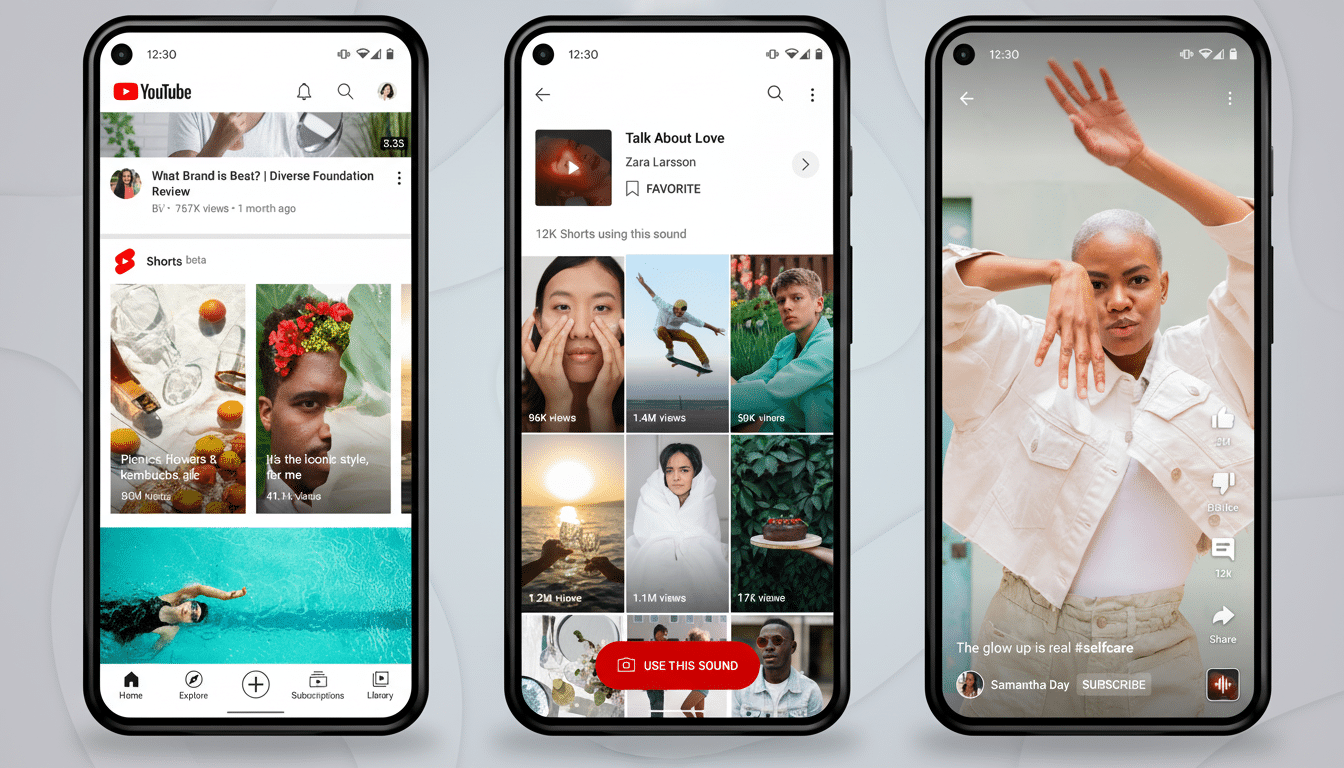
The thumbs-down button gets demoted off the main Shorts interface and into the overflow menu. In terms of function, YouTube is essentially folding two explicit signals into one. That lone input is then augmented—if users oblige—by a short survey, which can explain why the clip was off-kilter and guide the system in tailoring future suggestions.
YouTube has tested hiding the Dislike button on Shorts for some viewers in the past. This time it’s more explicit: the platform is treating Dislike and Not Interested equally for recommendation-tuning purposes, rather than two distinct options that many users couldn’t really keep straight.
Why YouTube is making this change to Shorts feedback
Short-form feeds rise or fall on quick and robust personalization. Viewer satisfaction is, along with watch time and swipes, a core signal in their ranking systems, YouTube has said. If users are unsure which feedback tool they should use—or are too lazy to even bother—then the recommendations won’t be very representative.
Scale is part of the tale. Shorts garners over 2 billion monthly logged-in users, with Alphabet having already said that it sees over 50 billion daily views. It is at that number that simplification of explicit feedback will tend to make less noise. That also matches a longer narrative: in 2021, YouTube hid public dislike counts throughout the platform and made negative feedback an exclusive signal for personalization and creator analytics.
How this may influence your recommendations
For viewers, the change might make unfavorable feedback feel more straightforward—one thumbs-down and you’re done. The optional survey provides nuance without requiring additional steps each time. You can expect your feed to react much as it does when the Not Interested action is taken today, though perhaps with a bit more accuracy when you do give reasons.
There is a subtle trade-off. When you put a control behind a menu, as a rule, people use it less; UX data from the likes of the Nielsen Norman Group has long confirmed that out-of-sight actions get fewer taps. That could result in less positive signals overall, and a slower-than-otherwise correction from the algorithm on seeing a new or drifting interest profile—unless survey data provides stronger, higher-quality signals that make up for them.
Other controls, like Don’t Recommend Channel, are still key for heavier filters. If there are creators or topics you really don’t want to see, that option remains the most direct lever.
Implications for creators and policy on YouTube Shorts
Creators won’t get public dislike counts back; that stays the same. YouTube can simply aggregate the thumbs-down into the same negative engagement signals, internally speaking, and from there reporting in YouTube Studio should still reflect viewer satisfaction through your existing dashboards. One potential result is fewer raw dislikes, simply because the extra tap will likely deter some from tapping, while maintaining personalization.
From a safety and policy standpoint, the post-tap survey can elicit reasons more actionable than a naked thumbs-down; spammy, repetitive, deceptive or offensive content can be flagged by structured feedback. That’s similar to the strategies used by other platforms to convert low-key user input into higher-signal data for ranking and enforcement.
A select test with several open questions still pending
YouTube calls this a limited experiment and declines to share how many are participating, for how long, or if it plans to expand the tests. The company frequently conducts A/B tests like this for weeks to assess how viewer satisfaction changes, along with watch time, survey completion rates and the speed at which suggestions get better after negative feedback.
What to watch:
- Whether burying the button throttles frictionless feedback too much
- If survey completion rates are high enough to improve quality
- If creators clock shifts in the ratio of negative signals in their Shorts analytics
Bottom line on YouTube’s unified thumbs-down test for Shorts
YouTube is experimenting with a unified thumbs-down for Shorts that combines Dislike and Not Interested and places it behind the overflow menu. It’s a gentle push toward clearer, higher-signal feedback rather than more feedback. The version that includes Shorts is now testing more widely, which will be an opportunity for the many creators trying to finally find a foothold on TikTok.