


Xreal has filed a US lawsuit against rival Viture, accusing the company of infringing a core patent covering how light is routed through compact augmented reality glasses. The complaint, brought by Xreal’s subsidiary Matrixed Reality Technology Co. Ltd, targets Viture affiliates Eden Future HK Limited and Beijing Xingzhe Wujiang Technology Co. Ltd in the US District Court for the Eastern District of Texas.
What Xreal Alleges in the Texas AR Patent Case
At the center of the case is US Patent No. 11,988,839, which Xreal describes as protecting a non-obvious optical architecture designed to boost image clarity and comfort in lightweight AR eyewear. In practical terms, the patent addresses how a microdisplay’s light is coupled into a waveguide and expanded to the user’s eye with precise geometry, minimizing bulk and distortion. Trade outlets have summarized it as governing the physical layout and math that allow glasses to remain slim while delivering a crisp virtual image.
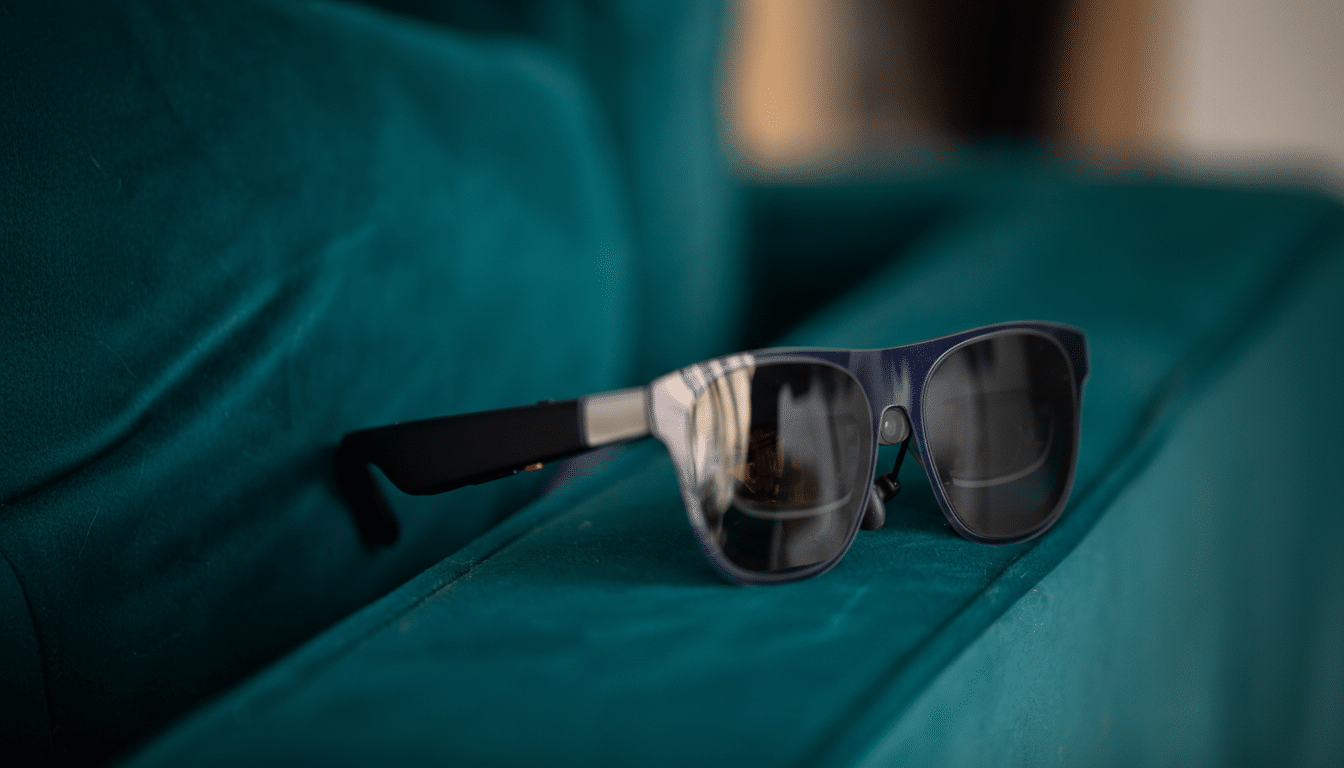
Xreal argues Viture’s products unlawfully practice that approach. The company frames the suit as an effort to halt a pattern of intellectual property misuse that could undercut innovation across the AR glasses category. The allegations have not been tested in court, and no judicial findings have been made.
A Repeat Legal Battle for AR Glasses Across Borders
The US filing follows an earlier courtroom win for Xreal in Germany, where the company secured an injunction related to European patent EP3754409B1, a close cousin to the US patent now in dispute. European proceedings typically require strong showings on validity and likelihood of infringement before an injunction issues, suggesting Xreal is confident the underlying claims will hold up in multiple jurisdictions.
For Viture, the cross-border posture raises the stakes: even a partial loss in one market can complicate supply chains and retail strategies in others, especially when similar optical designs are used across product lines.
Why the Texas Venue Matters in This Patent Dispute
The Eastern District of Texas is a well-traveled venue for patent disputes, known for experienced judges and clear schedules. Potential outcomes could include monetary damages and a permanent injunction if Xreal prevails. Viture could respond by challenging the patent’s validity at the Patent Trial and Appeal Board through inter partes review, a frequent parallel track in high-stakes IP fights. Either side could also seek relief before the US International Trade Commission to block imports, though the current action is a district court case.
Technical Stakes Behind Consumer-Grade AR
Consumer AR glasses rely on waveguides, coupling prisms, and micro-OLED displays to project images that look natural without a bulky visor. The contested claims touch on where components sit within the temples, how light is introduced and expanded within the waveguide, and how aberrations are controlled so text remains legible and motion blur stays low. Small tweaks in prism angles, pupil-expansion geometry, or lens stack order can make or break comfort—and are fertile ground for patents.
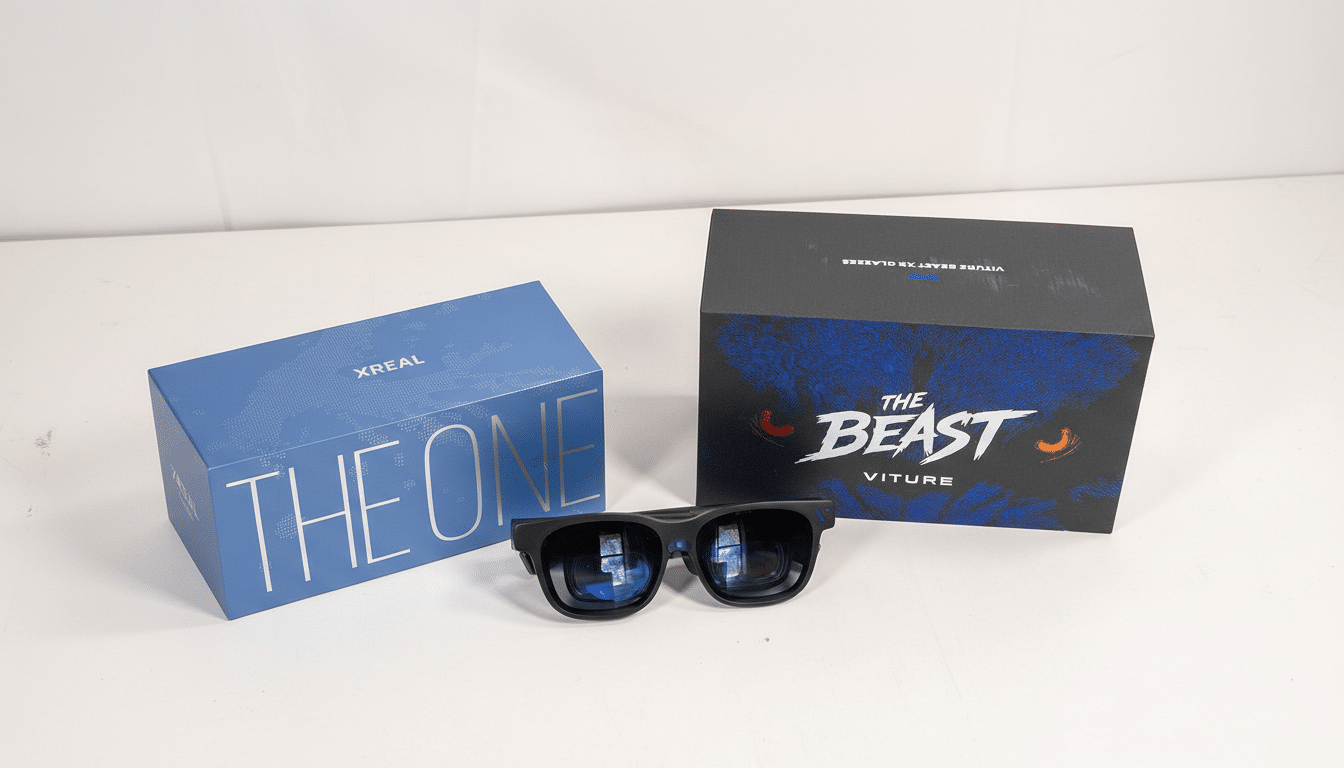
Both companies sell tethered, lightweight glasses aimed at media consumption and productivity. Xreal’s Air 2 series and Viture’s Pro model sit in the mid-$300 to $500 band, courting travelers, gamers, and remote workers who prefer a pocketable display to a full headset. If courts narrow what constitutes a permissible optical layout, future AR frames may need redesigned light engines or waveguides, potentially impacting weight, battery placement, and visual fidelity.
Market Context and Competitive Pressure in AR Glasses
Analysts at IDC expect sustained double-digit growth for AR/VR hardware as components shrink and software improves, with tethered smart glasses forming a distinct, faster-moving niche than full mixed-reality headsets. That trajectory intensifies pressure to control foundational optics—one of the priciest and most defensible parts of the stack—alongside display panels from suppliers such as Sony and compute platforms from vendors like Qualcomm.
In fast-evolving categories, patent portfolios often determine who gets to scale without redesigns. Even a temporary sales pause during litigation can ripple through channel inventory and developer momentum. For smaller rivals, the cost of workarounds can erode already thin margins, while patent holders can leverage victories to license core technology across the segment.
What to Watch Next in the Xreal versus Viture Case
Key milestones will include claim construction, where the court defines the meaning of disputed terms, and any motion for preliminary injunction that could alter the near-term market. Also watch for PTAB filings, potential countersuits, or settlement talks that swap licensing for certainty. Regardless of the outcome, the case underscores a broader truth about AR glasses: the winning formula depends as much on precise optics as on apps and content, and the IP around that optics stack is now center stage.