


I spent two weeks living with three pairs of XR display glasses across commutes, flights, and desk work. All promised “a giant screen in your pocket.” Only one delivered a balanced mix of features, comfort, and reliability that made me forget I wasn’t using a monitor. The lineup: Viture Beast, Xreal 1S, and RayNeo Air 3s Pro. The winner was unmistakable.
How I Tested XR Display Glasses Across Devices and Tasks
These aren’t standalone headsets. They’re wearable USB-C displays that pull power and video from a phone, laptop, or handheld console. I rotated between a gaming handheld, a MacBook Pro, and an Android flagship, testing movies, spreadsheets, video calls, and Switch titles. I evaluated field of view, clarity, brightness control, tracking stability, comfort over long sessions, and how much friction each pair added to everyday use.
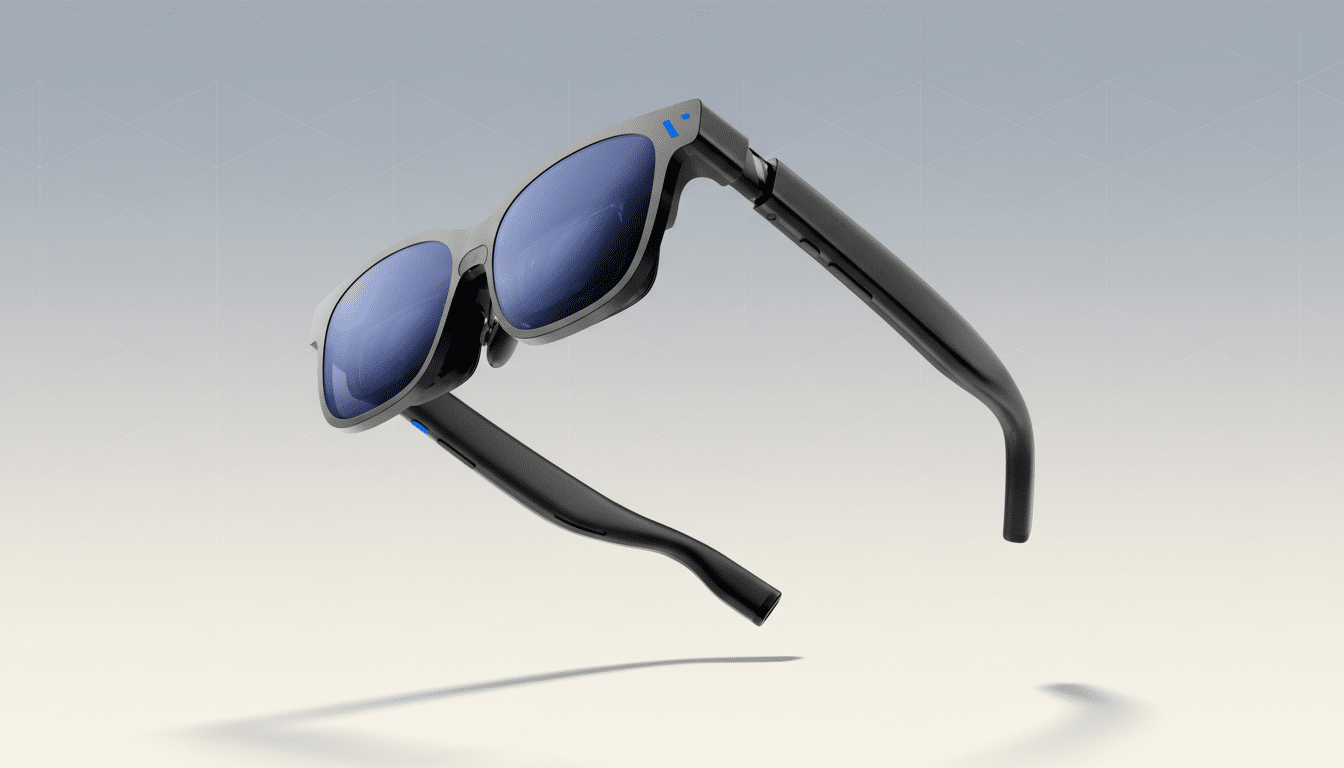
Why this matters now: market momentum is real. IDC reports the AR/VR category returned to growth in 2024 after a dip in 2023, with sustained double-digit expansion projected through 2028 as lighter eyewear replaces some monitor use. Meanwhile, Display Supply Chain Consultants notes micro‑OLED advances are driving higher luminance and efficiency, but optics and heat management remain the gating factors for glasses you can wear for hours.
Viture Beast Ambition Outpaces Delivery Today
On paper, the Beast should run away with this. It advertises a wide 58° field of view and the brightest image of the trio at roughly 1,250 nits, with 3DoF head tracking via VisionPair, nine-step electrochromic dimming, a built‑in mic, and a front camera earmarked for future 6DoF. The rounded frame sits comfortably, despite the 94g weight.
In practice, the promise outstrips the present. The headline 1200p at 120Hz mode is disabled pending a firmware update, leaving 1080p at 60Hz today. The camera‑based 6DoF is also “coming soon.” My unit’s 3DoF tracking held position well enough, but tapping the frames produced a noticeable ripple across the image, more than I saw on the others. Build materials feel more plasticky than the marketing suggests, and at this price, expectations are higher.
Verdict: tons of potential and the largest, punchiest picture here, but at roughly $549 you’re paying now for features that are not fully live yet. If you’re patient and value a wide FOV above all, keep it on your shortlist.
Xreal 1S Nails the Fundamentals for Daily Use
The Xreal 1S gets the basics right and then gets out of your way. You get a crisp 1200p image, a 52° field of view with a comfortable 16:10 aspect, and an 82g frame that disappears after a few minutes. The ace up its sleeve is the onboard X1 Spatial Computing Chip, which powers 3DoF tracking with a quoted 3ms motion‑to‑photon latency.
Translation: the virtual screen stays anchored in space when you glance around, which is critical for spreadsheets, coding, or docking a window above your keyboard. Real 3D, which converts 2D content on the fly, worked surprisingly well on high‑quality video and slower‑paced games; lower‑light or fast‑cut footage can look less convincing, which matches what computer vision researchers have long said about scene‑dependent depth inference.
Trade‑offs exist. At roughly 700 nits, these are the dimmest of the group, though the three‑level electrochromic shading helps indoors. The chip’s processing generates a hot spot across the brow during long sessions; it never crossed into “take them off now” territory for me, but you’ll notice it on marathon days.
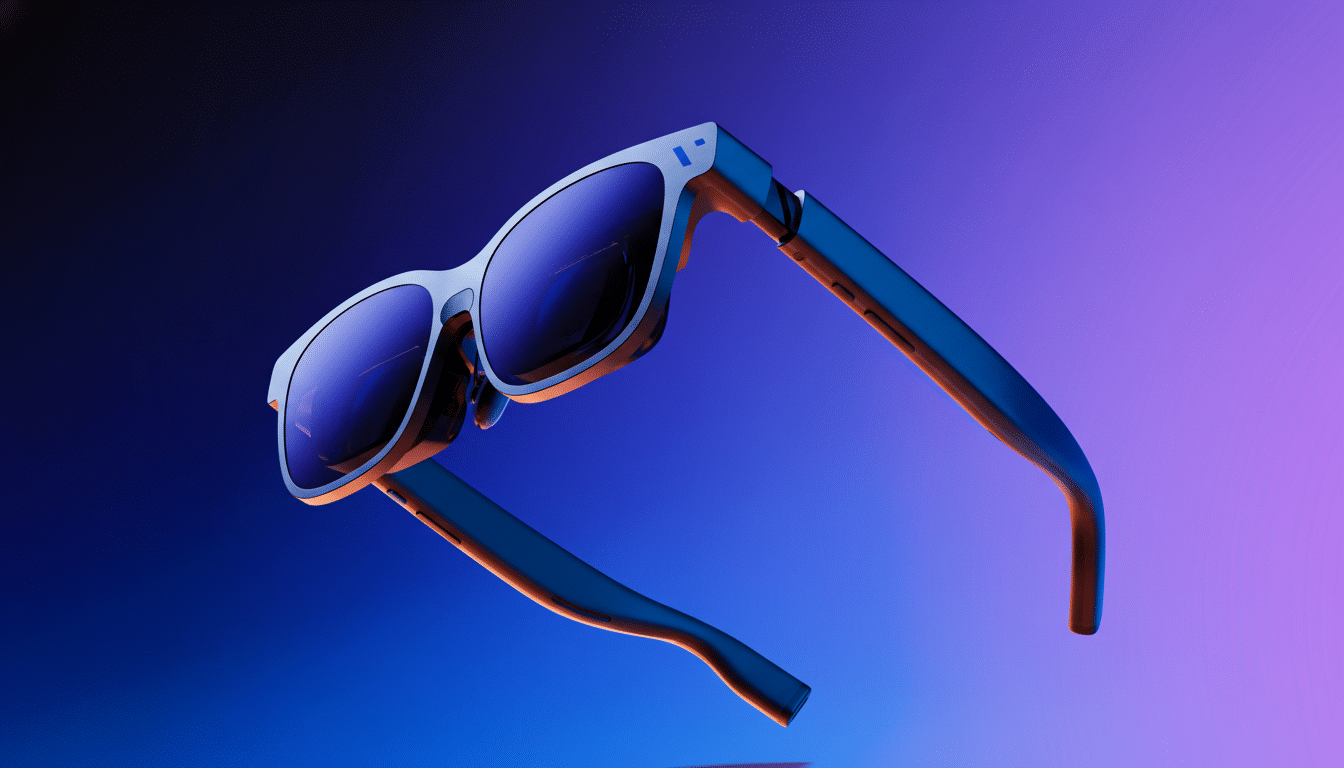
Verdict: the most complete package right now. Stable tracking, mature software, and features that actually ship. It’s also about $100 less than the Beast, which sweetens the deal.
RayNeo Air 3s Pro Shines on a Budget for Travel
RayNeo takes a different tack: skip spatial bells and whistles, maximize brightness, and keep weight low. At 76g, it’s the lightest here. You get 1080p resolution, a 120Hz refresh, a narrower 46° FOV, and an impressively punchy image that held up better than expected outdoors thanks to a claimed 1,200‑nit output.
There’s no onboard 3DoF. The image is locked to your head, so every nod moves the “screen” with you. RayNeo’s companion phone app attempts limited tracking, but in my experience it lagged and lost registration often. There’s also no electrochromic dimming; the fixed sunglass tint can make glancing down at a keyboard or phone more difficult, which hurts productivity use.
Verdict: if you want a plug‑and‑play personal display for travel, movies, or cloud gaming and you often watch in bright spaces, this is the value pick. Just don’t expect spatial pinning or nuanced light control.
The Clear Winner and Practical Buyer Advice Today
The Xreal 1S is the obvious winner for most people. It balances clarity, tracking stability, and comfort, and it does so without asking you to wait for firmware unlocks. The Beast is the most cinematic, but it’s a bet on tomorrow. The RayNeo is the budget‑friendly brightness champ that keeps things simple.
Compatibility tip: you’ll want USB‑C with DisplayPort Alt Mode on your host device; some phones and tablets require a powered hub or adapter, and older iPhones need a capture or streaming workaround. If you plan to work for hours, prioritize tracking and dimming control over raw nits—your eyes and neck will thank you. For gaming and movies, a wider FOV and higher refresh help; for work, stable pinning and a comfortable fit matter more than sheer brightness.
Big picture, lightweight display glasses are inching from novelty to utility. As DSCC notes, micro‑OLED efficiency is improving, and as IDC’s growth outlook suggests, the category is set to expand. Today, though, it’s the fundamentals that separate good from great—and that’s exactly where the Xreal 1S pulls ahead.