


Xiaomi is preparing its first item tracker, a compact tag that blends Bluetooth with optional Ultra-Wideband for precision finding, according to references spotted inside HyperOS system files. If it materializes, the device could bring a major Android brand into a category still dominated by Apple’s AirTag and a handful of Samsung and third-party options.
What the HyperOS Code Leak Reveals About Xiaomi Tag
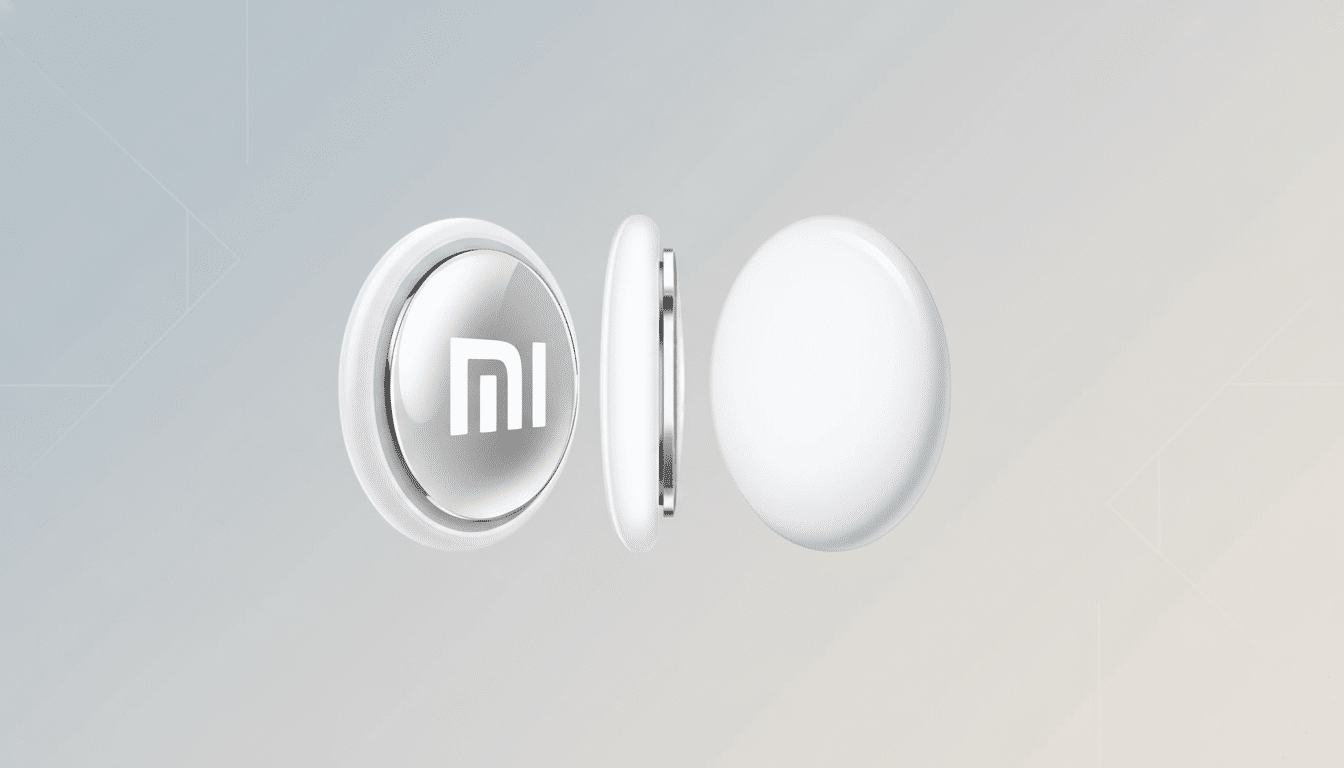
Code strings linked to HyperOS suggest the product will be called Xiaomi Tag and ship in two versions, including one with UWB. The tracker appears to run on a replaceable CR2032 coin cell, a practical choice used across the segment to deliver months to a year of battery life without charging.
- What the HyperOS Code Leak Reveals About Xiaomi Tag
- Why UWB Matters for Accurate Precision Finding on Android
- How It Could Boost Android’s Find My Device Network Reach
- Design and Feature Expectations for Xiaomi’s First Tag
- Pricing and Availability Outlook for Xiaomi Tracking Tag
- The Big Picture for Xiaomi’s Entry into Smart Trackers
The onboarding flow described in the files reads like a modern fast-pair experience: peel off a battery isolator tab, bring the tag near a phone, and tap to add it. Strings indicate core features such as “left behind” alerts, low-battery notifications, and a clear “Xiaomi Tag detected” prompt for nearby devices.
Notably, the code references a “trust” setting that allows a user to acknowledge a known tag and suppress “moving with you” warnings. That aligns with the cross-platform unwanted-tracking alert specification jointly developed by Apple and Google, now built into the latest Android and iOS releases.
Why UWB Matters for Accurate Precision Finding on Android
Bluetooth is excellent for broad discovery and crowdsourced location, but it can be imprecise in close quarters. UWB adds directionality and distance measurements, enabling arrow-style guidance to a lost object. Apple’s AirTag popularized this with Precision Finding, and Samsung’s Galaxy SmartTag 2 supports similar functionality on compatible phones.
Bringing UWB to a Xiaomi tag would make sense given that select Android flagships across the industry already support the technology. It also sets expectations for near-instant, room-level accuracy inside homes, cars, and offices—exactly where most people misplace keys, bags, and remotes.
How It Could Boost Android’s Find My Device Network Reach
Google relaunched the Find My Device network with broad, privacy-preserving crowdsourcing and end-to-end encryption, tapping into a base of billions of Android devices worldwide. Early tags from Chipolo and Pebblebee were the first wave; a mass-market entry from Xiaomi could dramatically increase network density if the tag is sold widely and at aggressive price points.
Stronger network density means higher odds that a lost tag pings nearby devices and updates its location on the map. For urban users, that translates to faster, more reliable recovery. For rural areas, a bigger installed base expands coverage in places where Bluetooth trackers can otherwise feel hit-or-miss.
Design and Feature Expectations for Xiaomi’s First Tag
A CR2032 typically implies a compact, coin-like design with a pop-open back for battery swaps. Buyers will be watching for a loud built-in speaker for audible locating, an IP rating for durability, and an attachment method—integrated keyring hole or accessory ecosystem—since these details often make or break daily use.
On the software side, left behind alerts, anti-stalking protections, and seamless pairing are table stakes. The UWB variant will raise a compatibility question: will precision finding work only on Xiaomi phones with UWB or on other UWB-enabled Android flagships as well? Broad compatibility would be a major selling point.
Pricing and Availability Outlook for Xiaomi Tracking Tag
While regional plans remain unclear, Xiaomi often launches connected accessories in China first before expanding globally. If the company follows its usual playbook, competitive pricing could undercut category leaders. For context, Apple’s AirTag is priced at $29 individually and Samsung’s Galaxy SmartTag 2 is similarly positioned, with multi-packs lowering the per-tag cost.
Regulatory filings and certifications usually precede retail availability, so those will be the next tea leaves to read. If a global rollout happens, a Xiaomi tag with UWB could become the most accessible precision tracker in the Android ecosystem—especially in markets where Xiaomi’s phones and accessories already have strong distribution.
The Big Picture for Xiaomi’s Entry into Smart Trackers
AirTag’s popularity underscored that people will pay for peace of mind when the experience is simple and reliable. Xiaomi entering the fray with both Bluetooth and UWB options—backed by Android’s growing Find My Device network and modern safety measures—would push the category forward and give Android users another credible, potentially lower-cost alternative.