


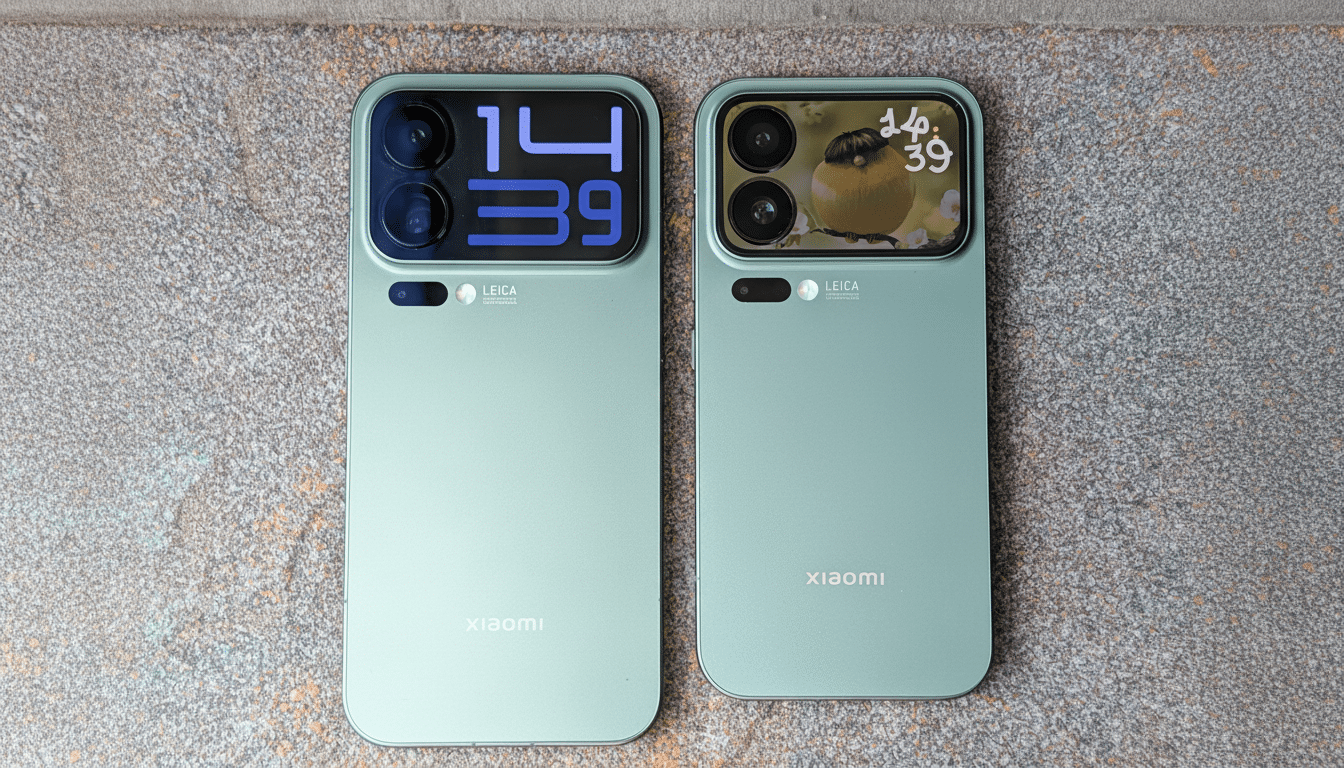
We have the first next-gen Android flagships that lean into true retro handheld vibes. Xiaomi’s 17 Pro pair sticks a rear screen on the back so, also with an official Bluetooth case, you can transform the phone into a pocketable Game Boy-esque console — buttons and D-pad included.
How rear screen gaming works on the Xiaomi 17 Pro
Xiaomi’s optional case attaches to the 17 Pro or Pro Max, pairing over Bluetooth.
It comes with a circular D-pad, four face buttons and proper start/select buttons. When it’s plugged in, the phone flips its interface over to the secondary rear display so you can hold it horizontally like a traditional handheld.
The second screens are minuscule by modern phone standards and right on theme for retro gaming: 2.66 inches on the 17 Pro, and 2.86 inches on the Pro Max.
For reference, the original Game Boy was equipped with a 2.6″ panel at a resolution of 160 × 144. That’s part nostalgia, part practicality — the size of the system also makes for a surprisingly pocketable setup.
The clever bit and the rub with the rear display
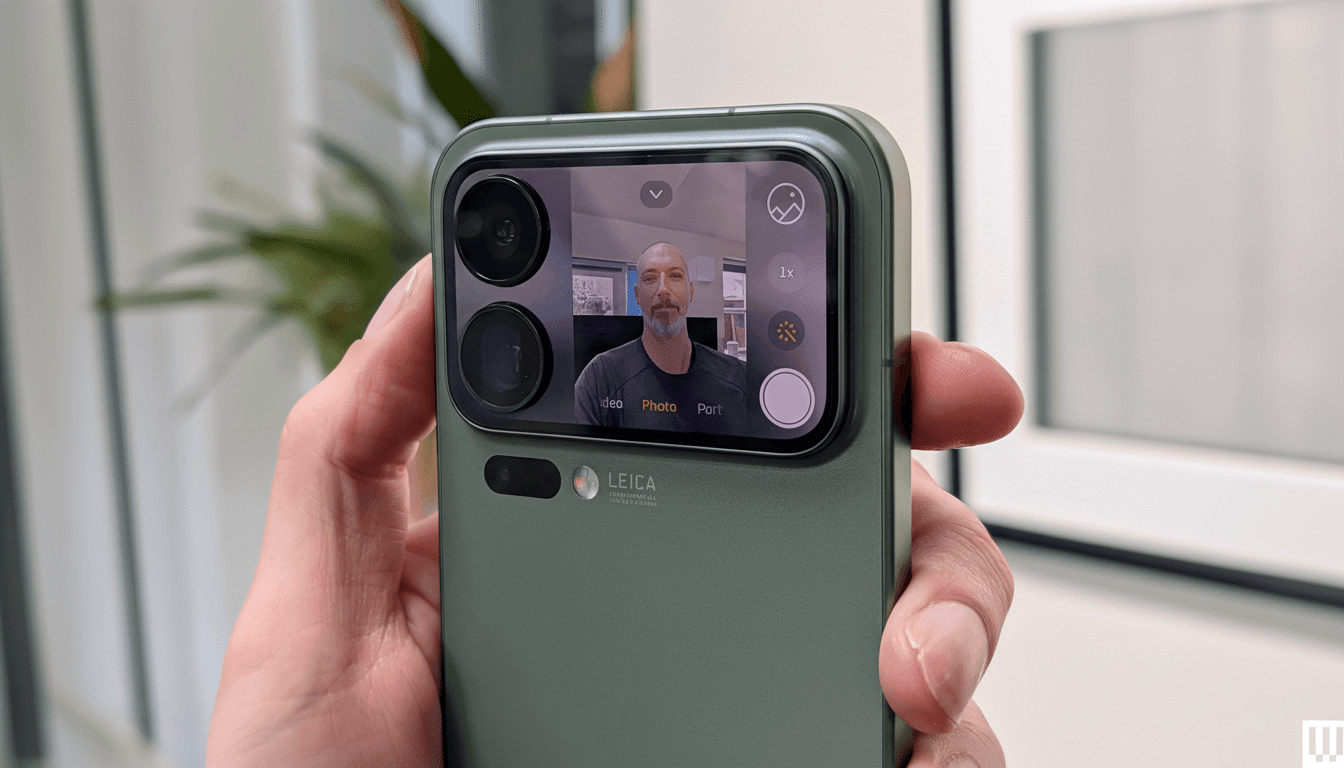
In a demo video, Xiaomi demonstrates the concept performing just as promised. But there is a trade-off: the camera island encroaches into the gameplay zone when you play titles in full-screen mode on the back display. Xiaomi’s interface is kind enough to offer a smaller, floating game window for those less inclined to smudge the lenses while gaming — but all that does is shrink a scant screen further.
There’s one other drawback that classic gamers will notice immediately: no shoulder buttons. That’s OK for OG Game Boy and a good number of 8-bit or early 16-bit selections, but it gets fussy when jumping into Super Nintendo and Game Boy Advance games that do require L/R input. Software remapping is possible in some cases, but it’s seldom optimal.
Latency, comfort, and real-world battery reality
The case communicates over Bluetooth, so input latency is also a factor. Today’s Bluetooth controllers can add as little as single-digit or low dozens of ms due to firmware and polling rate. In more leisurely platformers, where the challenge derives from the timing of jumps and puzzle solving, this is generally fine. Rhythm games and twitchy shooters might feel less exact. The great news: retro emulation is relatively light, so the phone’s processor won’t be the bottleneck.
It’s surprisingly ergonomic for a few short sessions — it’s laid out in a symmetrical, compact style similar to those micro handhelds from companies like 8BitDo and FunKey. The trade-off comes in the form of long-form comfort: The flat phone slab and button spacing aren’t as comfortable as a dedicated console. For power draw, running the rear panel with the main screen off should be modest, but bright scenes on a small screen do add up over long gameplay.
Why this retro handheld concept exists right now
Mobile gaming is today’s biggest segment in the world games industry. Smartphones make up nearly half of global game revenue, or somewhere in the $90 billion neighborhood a year, according to Newzoo. Phone makers have responded with gaming-specific features — from shoulder triggers on performance phones to advanced cooling. Xiaomi’s rear-screen play is an alternate angle: embrace nostalgia, use your existing hardware and make it feel dedicated as a handheld.
It even tries tapping into a healthy retro ecosystem on Android. Emulation front ends and cores like RetroArch and mGBA are well seasoned, with stable save states and control binding. On a display the same size as a Game Boy-era model, the experience feels truer than on a sprawling 6.7-inch main screen.
Not just a gimmicky display, it’s a useful cover
The back panels are not just for games. Xiaomi markets them as mini cover screens: glanceable notifications, music controls, transit and flight cards, delivery updates, selfie previews, watchface-style widgets. That dual-purpose utility turns the gaming trick into less of a one-note gimmick and more of an everyday value.
Pricing, availability, and who should buy
The gamepad case costs 299 yuan (about $42). The 17 Pro series begins at 4,999 yuan (about $701) in China. There’s no official word yet on international availability. Importing is possible for enthusiasts but, as always, the usual caveats apply — network bands, warranty and regional software support.
If you’re into retro handhelds and already have a legal library of game backups, this is a cute integrated spin and saves you toting around an additional gadget. If you’re after an all-in-one portable console with ideal ergonomics and actual controls, a handheld is still the better solution. Yet despite its rough edges, as a first try at the proposition of turning a flagship’s rear screen into something that Game Boy-lovers might find nostalgic, Xiaomi’s solution is delightfully ballsy — and tantalizingly close to workable with just some next-gen refinements.