


The new phone, Xiaomi’s 17 Pro Max, isn’t just another spec bump — it is a flex. The flagship marries a giant 7,500mAh battery to an attention-grabbing second screen incorporated into the camera bump, and it shifts the conversation away from iPhone 17 talk to one more about how Android-makers are reimagining what a premium phone really looks like.
A Butt Display That Works on Xiaomi 17 Pro Max
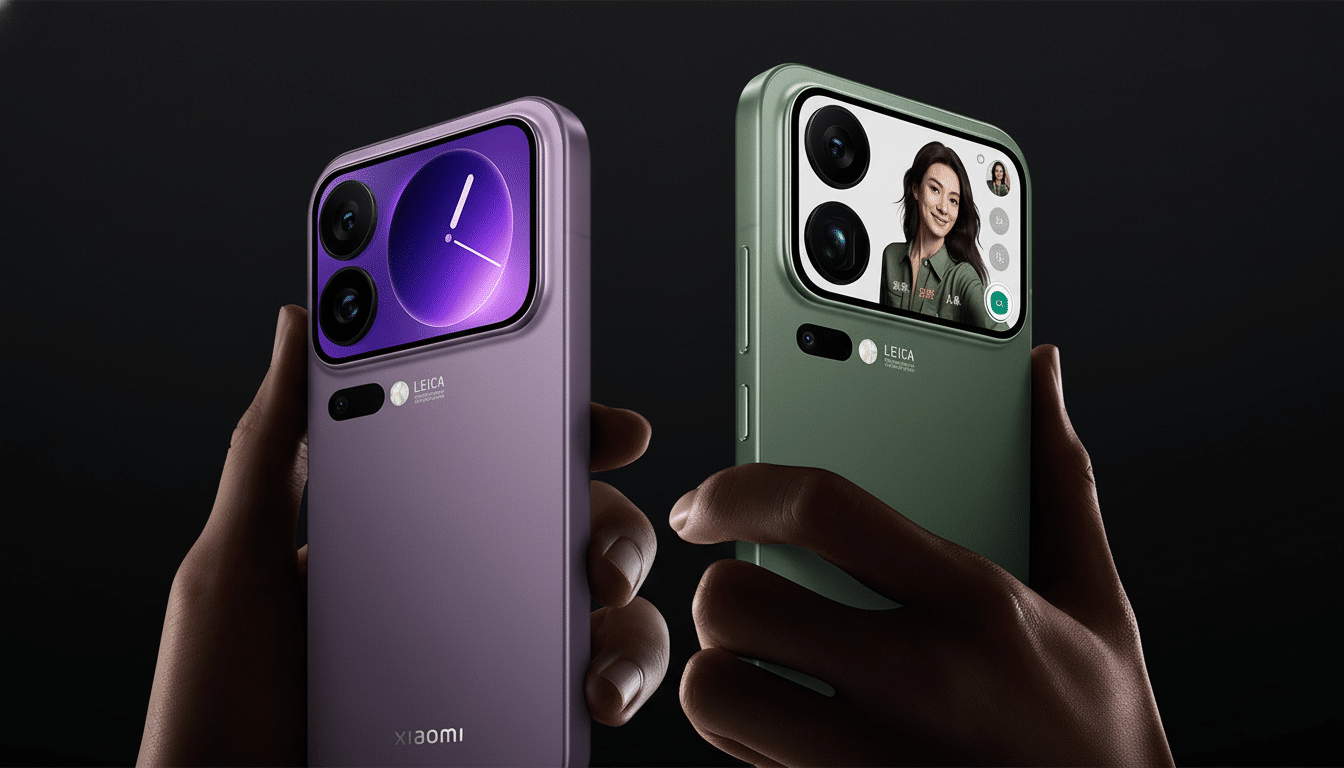
A 2.9-inch panel on the back isn’t just a trick for its own sake. The “Dynamic Back Display,” as Xiaomi calls it, runs at 120Hz and displays glanceable info — alerts, timers and widgets — without waking the main screen. It also acts as a framing monitor for selfies made with the rear cameras, a neat trick that resolves the age-old tradeoff between front-facing convenience and back-camera quality.
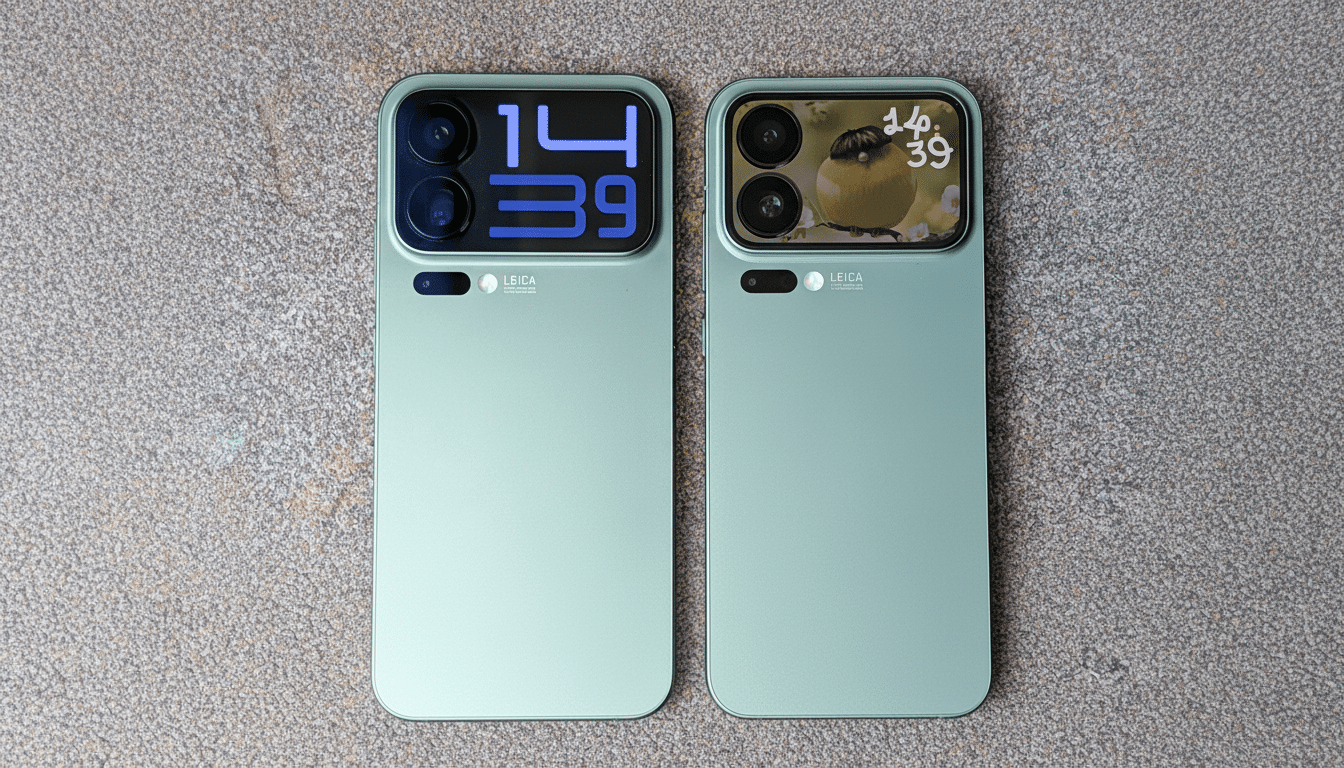
More than a series of furtive glances or intentional selfie previews, Xiaomi is doubling down on personalization. Think custom watch faces, animated wallpapers and even virtual pets that react to notifications. App controls for music and cameras pop up back there as well, with developers potentially mapping mini-game HUDs or utility toggles to the secondary panel. The likes of the Meizu Pro 7 and Nubia Z20 flirted with secondary screens years back, but poor responsiveness, low brightness and lack of app hooks were barriers — 120Hz and tighter OS integration should make Xiaomi’s less gimmicky approach more likely to stick.
Big Battery Because Two Screens Matter on This Phone
Two 120Hz displays — the 6.9-inch front panel combined with the rear screen — necessitate some seriously big batteries, and 7,500mAh is about as serious as it gets in a mainstream flagship.
With aggressive refresh-rate scaling and the Snapdragon 8 Gen 5 platform on board, the 17 Pro Max hopes to counteract that added overhead without neutering smoothness. For the last several generations, Qualcomm’s top-end chipsets have all trended more efficient with each generation, and early Android benchmarks from across the industry suggest that Gen 5 continues that arc in both CPU and GPU-bound tasks.
Charging specifications differ region by region on Xiaomi phones, but the brand tends to claim triple-digit wired charging speeds on its flagships, and similarly rapid wireless charging.
This is important because the only point of a battery that big is to charge really quickly — and protracted top-ups would quickly become the enemy of all-day ambition.
Cameras and core hardware in Xiaomi’s 17 Pro Max
The camera stack is straight off a flagship checklist: three 50MP sensors on the back (wide, ultra-wide and zoom) along with a 50MP front camera for when you’d rather not use the rear screen as your viewfinder. You can expect quicker autofocus, better computational HDR processing, and improved subject isolation from the new ISP in the Snapdragon platform.
Plenty of memory and storage headroom — up to 16GB of RAM, and internal capacities going as high as 1TB — mean heavy multitasking doesn’t trip over itself, and offline media hoarders will find plenty to love here. Paired up front with a high-frequency PWM dimming panel and stereo speakers, this is the sort of spec sheet for users who exist on their phones.
Availability and the U.S. catch for prospective buyers
There’s a predictable wrinkle for American buyers: Xiaomi doesn’t sell its flagships in the United States officially, and carrier certification is a high bar to clear. Anticipate the 17 Pro Max to arrive in China and then roll out to some select global markets. “China’s premium segment is growing, despite the overall softness in the market, and this is where a signature device like this can play a role,” said analysts at Counterpoint Research.
If you live in North America and crave the same class of silicon, however, industry watchers anticipate that this year we’ll see the next wave of Android flagships from brands with a U.S. presence jump on board with Snapdragon 8 Gen 5.
But none, as of now, is rumored to come with a built-in rear screen.
Why this design turn matters for Android flagships
Smartphone hardware has converged. Most high-end slabs are pretty much the same when it comes to performance, battery life, and camera acumen. Second screens open up an axis of differentiation that could affect behavior — quick glances from the back, fewer main screen activations, new camera use cases. It’s also one spot where Apple has been cautious. The iPhone’s camera bump has been a source of stylistic debate for years; if a rear display proves useful and durable, the conversations will likely turn to whether Cupertino should reply in kind.
There are trade-offs, of course. “The main issue we have with regard to usability would be what do you do with a second screen,” Mr. Wahba said, noting that it adds cost, complexity, and another surface of protective glass into the picture. But if Xiaomi’s software keeps the panel useful and that big battery can match pace, the 17 Pro Max could be the blueprint that finally turns these dual-screen candy-bar devices into more than a curiosity.
The Upshot: So, sure, iPhone 17 leads the way in a cycle we all know by heart at this point, but Xiaomi’s 17 Pro Max brings an idea you can understand immediately — literally see with a glance — to that larger kind of battery that means you can actually use it. If you’re even a little bit interested in fresh hardware ideas, this one’s worth keeping an eye on, even if it’ll never be available for purchase on a U.S. carrier.