


X users reported a sudden service disruption, with feeds stalling and logins failing as outage notices surged on monitoring sites. Reports quickly centered on connection errors, and service availability appeared to improve after a short-lived spike in complaints.
What happened during the brief X service disruption
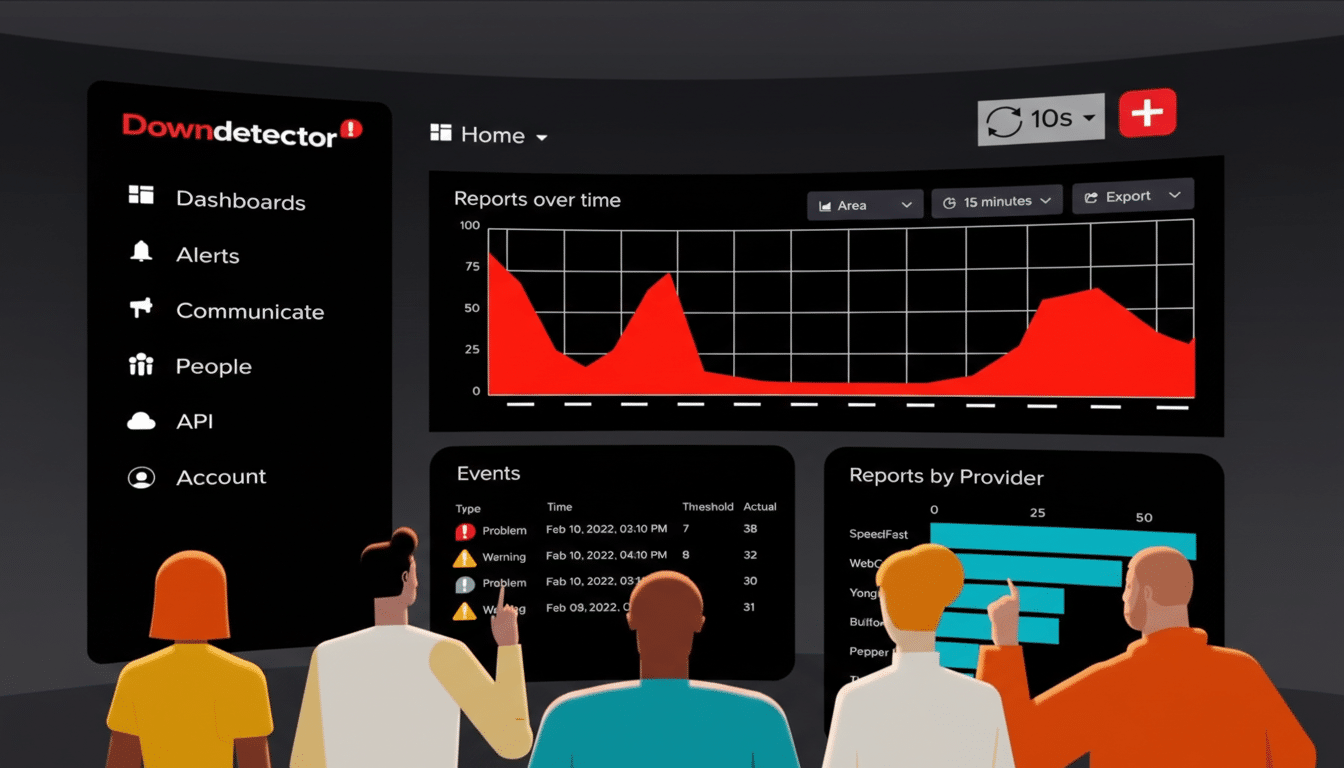
User reports compiled by Downdetector showed a rapid rise in issues accessing X. On desktop, many encountered a Cloudflare page reading “Connection timed out Error code 522,” while others saw the platform load without refreshing the timeline. Several users reported seeing the message “Oops, something went wrong. Please try again later” when attempting to sign in.
- What happened during the brief X service disruption
- What Cloudflare Error 522 signals about host response
- Scope and impact reported by users across platforms
- What we know so far, and what we still don’t know
- How to respond effectively during similar platform outages
- Bottom line: what these X connection errors suggest

The pattern was consistent across both web and mobile: the app often opened, but fresh content would not populate, and actions like logging in or navigating to profiles intermittently failed. As the spike eased, reports declined and access improved for many users.
What Cloudflare Error 522 signals about host response
Cloudflare’s 522 error indicates that the edge network successfully reached the origin server but did not receive a timely response. In practice, it points to trouble on the host side—such as overwhelmed origin servers, rate limiting or firewall rules that throttle Cloudflare traffic, or application issues causing slow responses. The error page itself typically states that Cloudflare is operating normally while the host is not responding as expected.
This aligns with what users saw: the CDN layer was reachable, but X’s origin infrastructure or application stack was not returning data quickly enough. It is a common class of failure for high-traffic platforms during configuration changes, sudden load spikes, or transient network routing problems between edge and origin.
Scope and impact reported by users across platforms
While the platform did not publish an incident report, public telemetry from outage aggregators reflected a concentrated wave of complaints. Typical symptoms included empty feeds, delayed notifications, and login retries. Some reported that media would not load, while others could browse cached timelines without receiving new posts.
There is no confirmed evidence that this was a security incident. In similar disruptions across major platforms, the majority are traced to configuration errors, overloaded services, or provider-level network hiccups rather than targeted attacks, according to patterns documented by infrastructure providers and site reliability engineers.
What we know so far, and what we still don’t know
What’s known: the primary symptom set points to origin timeouts surfaced through Cloudflare, not a global CDN failure. The error messaging indicates the host side was the bottleneck. Reports of in-app availability returning suggest the issue was mitigated or naturally subsided as load and routing stabilized.
What’s unknown: the exact root cause, which could range from a misconfigured deployment to an overwhelmed service tier or a regional network path issue. X has not released a postmortem or technical summary. Without an official incident report, it’s not possible to pinpoint whether this was tied to infrastructure changes, an upstream provider glitch, or a brief overload event.
How to respond effectively during similar platform outages
When a platform routes through a CDN and you see 522 errors, basic troubleshooting can help confirm scope:
- Switch between Wi-Fi and cellular.
- Try the web client if the app fails (and vice versa).
- Check real-time monitoring services like Downdetector to determine whether the problem is widespread.
Clearing app cache or browser storage can resolve stale sessions after a service recovers.
For organizations that rely on X for customer support or announcements, it’s prudent to maintain alternate channels—such as email, status pages, or other social platforms—so messages continue to reach users during platform-level disruptions.
Bottom line: what these X connection errors suggest
X experienced a brief but visible disruption characterized by Cloudflare 522 errors and stalled timelines, with user reports indicating a rapid spike and subsequent recovery. The evidence points to host-side timeout behavior rather than a CDN-wide outage. We will update our analysis if the company provides technical details or a post-incident report.