


Marvel’s Wonder Man arrives like a sharp inhale of fresh air, a show that trusts chemistry and character more than pyrotechnics. Centered on a winning odd-couple friendship between Simon Williams and Trevor Slattery, it trades franchise bloat for wit, pacing, and two actors who know exactly how to make a scene sing.
A Buddy Comedy With Real Superpowered Stakes
The twist is right there in the title. “Wonder Man” isn’t a superhero mantle here so much as a legend of old Hollywood: a beloved 1980s blockbuster that shaped Simon Williams’ dreams. Simon, a gifted yet chronically overthinking actor played with nervy precision by Yahya Abdul-Mateen II, is the kind of performer who can find five layers of motivation in a walk-on role and still miss his mark. It’s funny because it’s painfully true, the sort of joke born from lived-in industry detail.
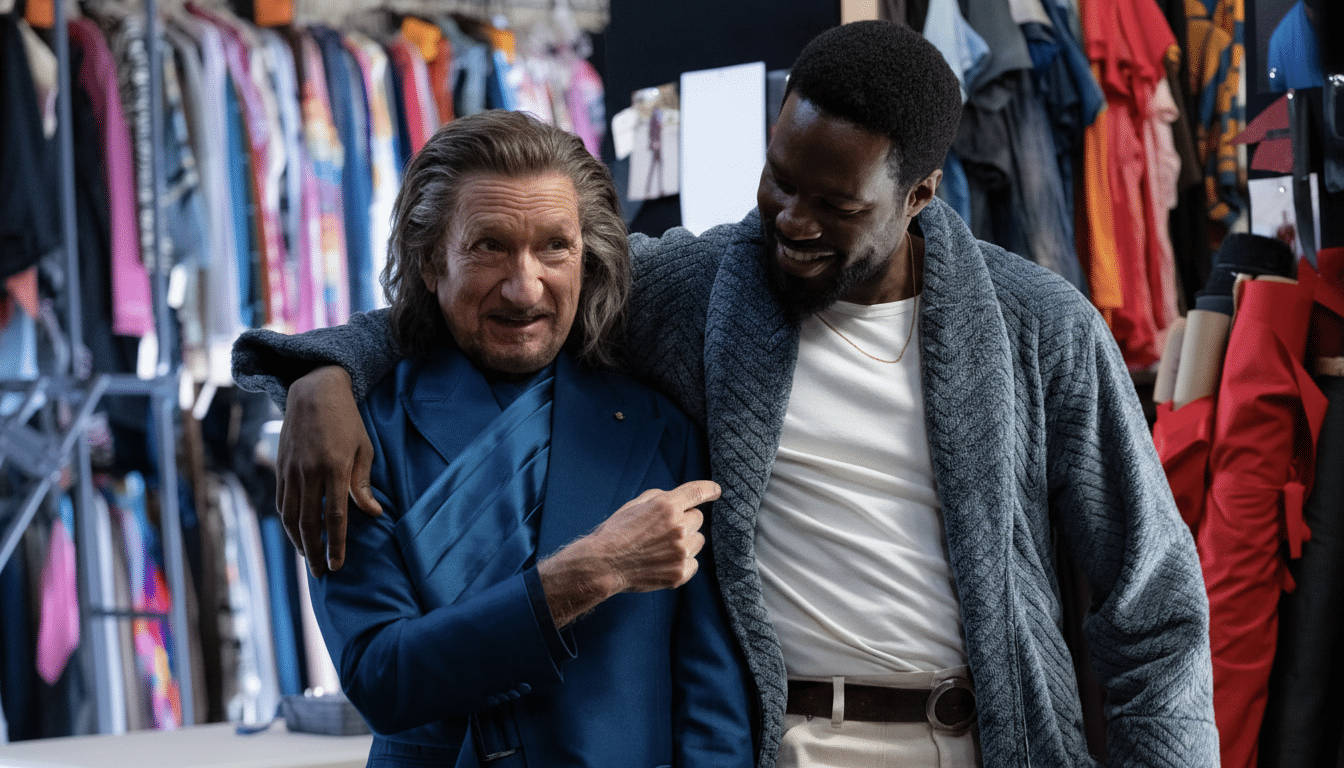
Enter Trevor Slattery, once the sham Mandarin of Iron Man 3 and a scene-stealer in Shang-Chi and the Legend of the Ten Rings. Ben Kingsley returns with an airy confidence that makes Trevor’s every malapropism and self-mythologizing aside land with immaculate timing. Put Simon’s anxious drills next to Trevor’s “flow with it” ethos and you get friction that sparks into friendship—and a series built on the joy of two strivers finding the right scene partner at the right time.
Performances That Sell The Friendship Bond
Abdul-Mateen II calibrates Simon’s neurosis into something endearing, never letting the character’s self-absorption curdle. He plays the homework, the posture, the breath work, and then reveals the kid who fell in love with the movies beneath it all. Kingsley, meanwhile, turns Trevor’s checkered past into both comic fuel and pathos; there’s a practiced showman’s poise behind the blasé jokes, an instinct for truth that startles Simon into being braver.
Crucially, the duo doesn’t coast on quips. Scenes build, pivot, and complicate. When the plot nudges them into a chase or a scrape, the action serves as an extension of character beats rather than a detour. It’s classic buddy-story architecture made new by performers who inhabit every beat.
Hollywood Satire Without The Smug Wink Or Nudge
Creator Destin Daniel Cretton, working with showrunner Andrew Guest, sets Wonder Man in a Los Angeles that feels authentically chaotic: casting woes, studio anxieties, egos and heartbreak measured in call sheets. The series resists the easy meta-jab at superhero filmmaking, a move that could have collapsed into self-congratulation. Instead, it treats the in-universe Wonder Man myth as a sincere north star for Simon—a reminder of why people chase the craft in the first place.
That sincerity is the secret sauce. It’s not a takedown of cape culture, nor a recruitment ad. It’s a character piece with showbiz splinters under its nails, and it’s comfortable letting the industry be absurd without turning cynical.
MCU Connections That Enhance Not Overwhelm
Continuity exists, but as seasoning rather than the main course. Viewers who know Trevor from Iron Man 3 and Shang-Chi will catch deeper resonances; everyone else gets context as they go. The Department of Damage Control—previously seen in Spider-Man: Homecoming and Ms. Marvel—plays a cat-and-mouse role here, prodding at Simon’s poorly defined abilities and forcing hard choices.
The smartest decision is to base the season’s suspense not on a giant blue beam in the sky, but on secrets between friends. In a franchise era where audiences have signaled fatigue with noisy finales—documented across industry reporting from Nielsen viewership trends to Parrot Analytics demand data—Wonder Man’s restraint feels intentional. Disney leadership has publicly emphasized fewer, better projects for Marvel, and this series reads like a proof of concept for that strategy: character-forward, scoped to the small screen, light on homework.
Where It Stumbles And Why It Still Works
The show’s weakest note is the vagueness around Simon’s power set, which occasionally turns a source of personal conflict into a plot coupon. The Damage Control antagonism can blur into generic obstruction, useful for pressure but rarely surprising. Yet those quibbles melt away when the camera lingers on two actors exchanging looks that say more than any explosion could.
Buddy dynamics have long been Marvel’s cheat code—from Tony and Rhodey to Thor and Loki—but Wonder Man distills the appeal. It’s not about saving the world; it’s about saving each other from bad choices, worse instincts, and the thousand indignities of a business built on rejection.
Verdict: A Character-Driven Win For Marvel’s TV
Wonder Man is the rare MCU series that trusts the alchemy between its leads. Abdul-Mateen II and Kingsley craft a bromance that is funny, vulnerable, and unexpectedly moving. Even when the superhero machinery creaks, the bond at the center hums—and that’s what keeps you watching. If Marvel’s TV future leans into this kind of intimate, actor-driven storytelling, the studio may find its small-screen groove faster than anyone expected.