


Winter in Colorado is beautiful, with snow-capped mountains and crisp, clear skies, but for your hair, it can be challenging. Dry air, indoor heating, and harsh winds all conspire to leave hair feeling brittle, frizzy, and lifeless. As a professional hairstylist working with clients in Lone Tree, Colorado, I’ve seen firsthand how the winter months can transform healthy hair into a tangled, dehydrated mess. But with a thoughtful approach and consistent care, it’s entirely possible to maintain soft, shiny, and resilient hair even in the driest of climates.
Understanding how winter affects hair is the first step. Cold air holds less moisture, which can strip natural oils from your scalp and hair shafts. High-altitude climates like Colorado amplify this effect, leaving strands more prone to breakage, static, and dullness. Add in the indoor heating that most of us rely on, and your hair is constantly navigating a cycle of dryness and dehydration. Recognizing these challenges allows you to plan an effective winter hair routine that supports both scalp health and hair strength.
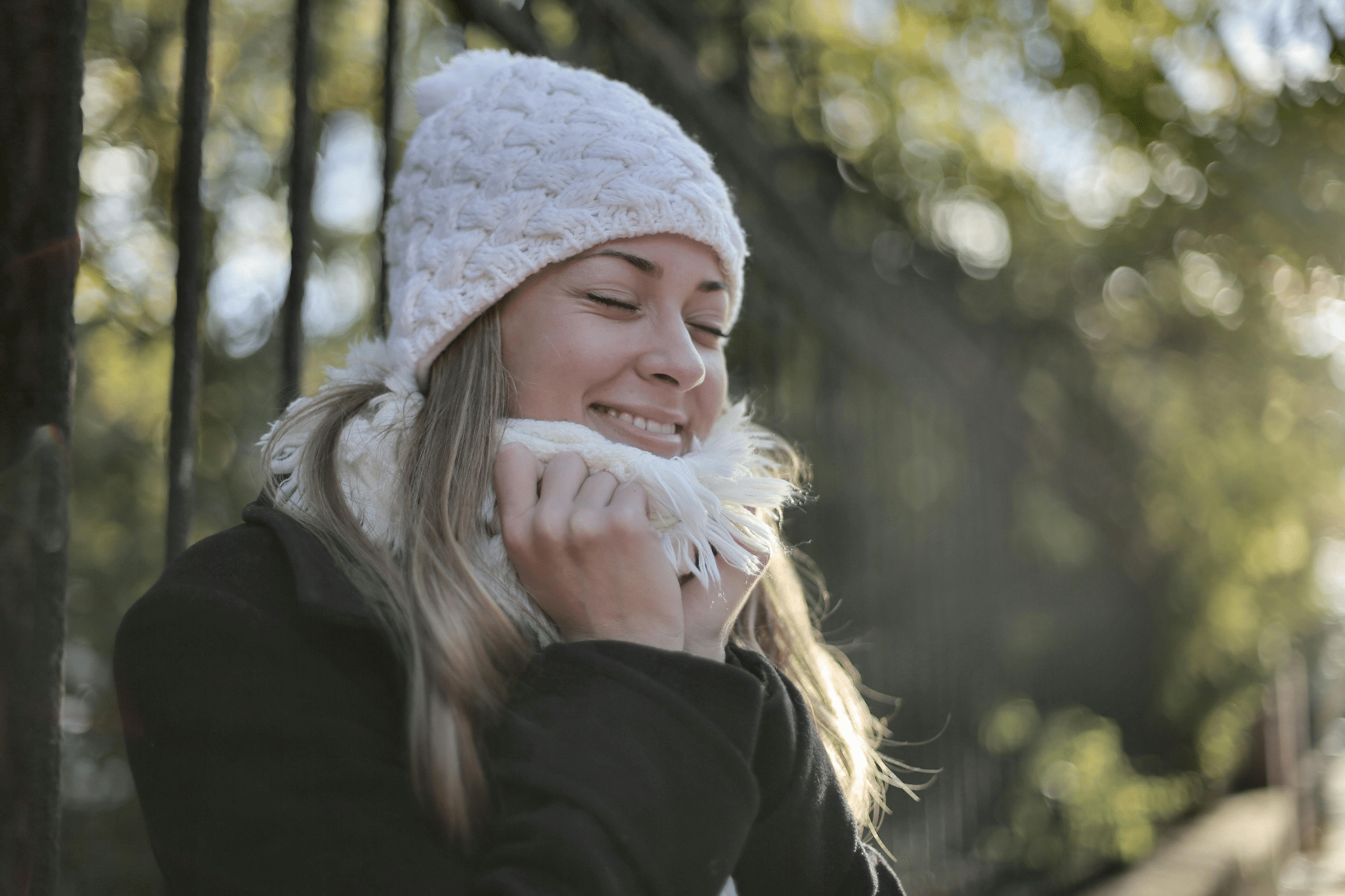
Hydration Is Key
Hydration is the cornerstone of any winter hair care strategy. Start by investing in a good, moisturizing shampoo and conditioner. Look for products that contain humectants like glycerin or natural oils, which help attract and retain moisture. While it may be tempting to wash hair frequently during winter, over-washing can actually exacerbate dryness. Aim for two to three gentle washes per week, and consider using a co-wash or conditioner-only rinse on off days to maintain moisture levels.
In addition to your daily washing routine, weekly deep conditioning treatments are essential. A hydrating hair mask applied once a week can restore elasticity and shine to hair that feels brittle or frizzy. For curly hair, in particular, a richer mask can help prevent tangles and breakage. Don’t forget the scalp—hydrating treatments that nourish the scalp can reduce flakiness and itching while supporting healthy hair growth.
Protective Hairstyles for Winter
One practical way to minimize damage during winter is through protective hairstyles. Braids, buns, and low ponytails help shield hair from harsh winds and friction caused by hats or scarves. Protective styles are especially beneficial for clients with curly or textured hair, which is more susceptible to breakage when dry. Remember to avoid overly tight styles, as they can create stress at the hairline and cause damage over time.
A silk or satin scarf can also serve as a protective layer while outdoors. These fabrics reduce friction and help retain moisture compared to wool or cotton, which tend to pull and dry out strands. Using a satin pillowcase at night adds another layer of protection, keeping hair smoother and less prone to split ends.
Adjusting Your Hair Care Products
Winter is the perfect time to reassess your hair care products. Lightweight products that work well in the summer may not provide sufficient moisture in cold, dry conditions. Consider switching to richer leave-in conditioners, oils, and serums. Argan oil, jojoba oil, and shea butter are excellent options for sealing in moisture and adding shine.
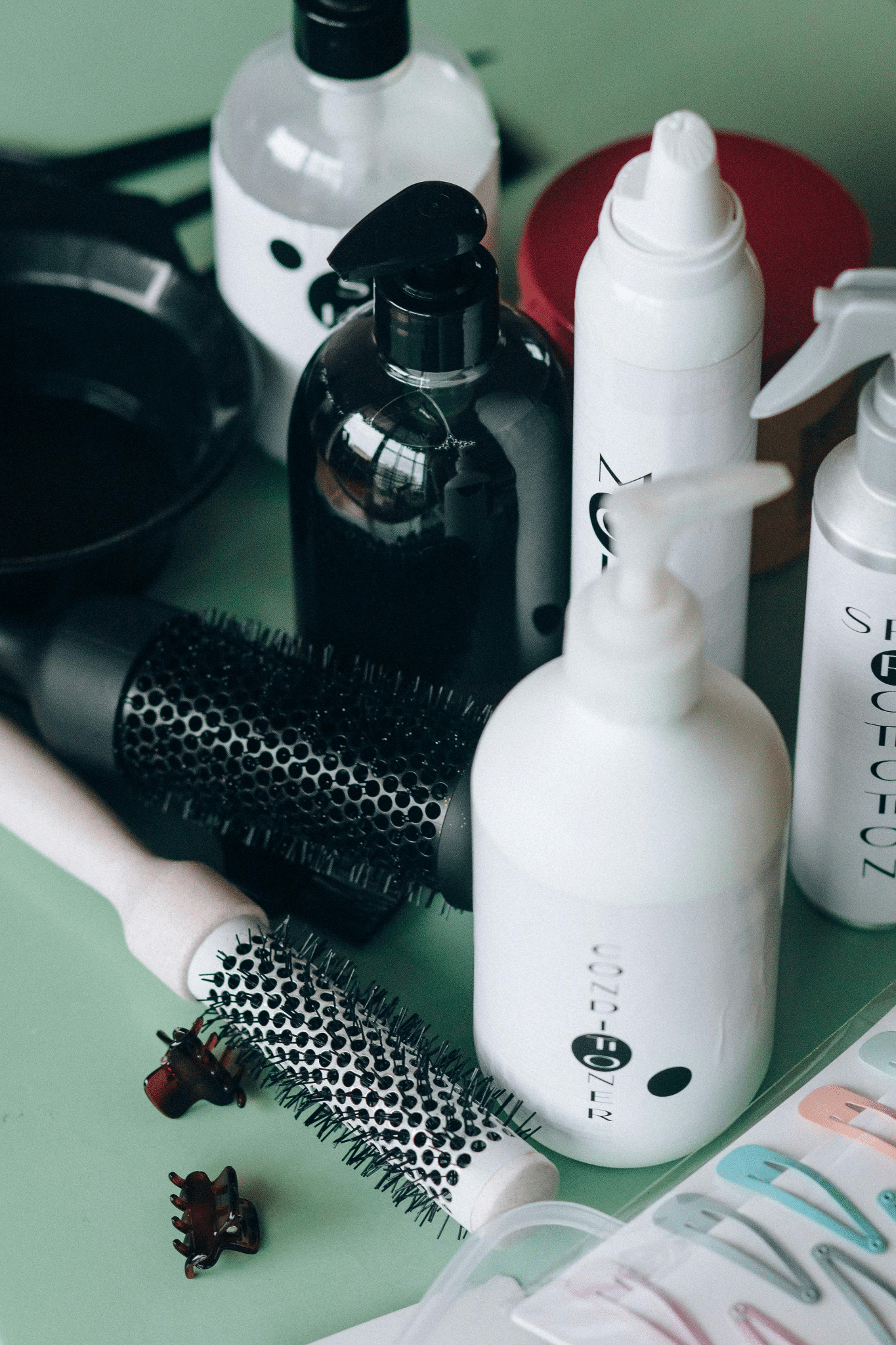
Heat styling should be minimized during winter whenever possible. The combination of dry air and high heat can lead to breakage and frizz. When you do use heat tools, always apply a thermal protectant to reduce damage. For those who love styling, ceramic or tourmaline tools are gentler on hair than standard metal irons.
Addressing Common Concerns
Many clients ask whether cold weather can damage hair. The truth is that hair is not frozen by cold temperatures, but exposure to extreme cold can make hair more brittle. This is primarily because the scalp produces less oil in colder weather, leaving hair unprotected. By maintaining proper hydration and using protective styles, you can prevent most winter-related damage.
Static hair is another common issue in Colorado winters. Lightweight oils, leave-in conditioners, and even a simple swipe of a dryer sheet can help reduce static electricity. Additionally, avoiding excessive brushing and choosing a wide-tooth comb over a fine brush can prevent breakage.
Curly Hair in Winter
Curly hair requires special attention in winter. The natural twists and turns of curls make it more challenging for oils to travel from the scalp down the strand, leaving ends drier. Curly hair benefits from extra moisture and gentle detangling. Incorporate a leave-in conditioner and hydrating curl cream into your winter hair routine. Using protective hairstyles such as loose braids or buns can help preserve curl definition and minimize frizz. Avoid tight hats or scarves that can compress curls and cause breakage.
Maintaining a Seasonal Routine
Creating a consistent winter hair care routine tailored to your needs is vital. In Lone Tree, Colorado, the weather can fluctuate from dry snow to windy cold days, so adjusting your routine accordingly can make a noticeable difference. For many clients, this includes alternating between lighter daily conditioners and heavier treatments weekly, while consistently using oils or serums to seal in moisture. It’s also important to protect hair from sudden temperature changes, such as going from heated indoors to freezing outdoors.
For guidance, clients often benefit from reviewing a resource like seasonal hair care routines. It offers tips on adjusting routines across seasons and selecting products that complement the Colorado climate.
Professional Support
While at-home care is crucial, professional support can elevate your hair health. Hair treatments provided by a stylist can target dryness, frizz, and damage in ways that over-the-counter products cannot. Services such as deep conditioning treatments, protein therapies, and customized hydration plans can transform hair that is struggling in winter months. If you’re looking for expert assistance, consider exploring local hair care services to maintain hair health and manageability throughout the season.
Practical Daily Tips
Small daily habits make a significant difference. Avoid excessively hot showers, which can strip natural oils, and use a microfiber towel or soft cotton T-shirt to gently dry hair instead of rough rubbing. Regular trims keep split ends at bay, and leaving some length in protective styles ensures hair remains resilient against the winter elements. Even drinking enough water and maintaining a balanced diet supports hair from the inside out.
Conclusion
Winter in Colorado doesn’t have to mean frizz, dryness, or brittle strands. With a well-structured routine that includes hydration, protective styling, proper product selection, and occasional professional treatments, hair can thrive even in harsh, dry climates. By paying attention to your unique hair needs and adjusting for seasonal changes, you’ll enjoy soft, manageable, and healthy hair throughout the winter months. Remember, a little preventative care now will pay off with stronger, more vibrant hair later.
FAQs
1. Can cold weather damage hair?
Cold weather does not freeze hair, but it can make it more brittle and prone to breakage due to reduced scalp oils and moisture. Maintaining hydration and protective styles helps minimize damage.
2. How often should I deep condition my hair in winter?
A weekly deep conditioning treatment is ideal for most hair types. Curly or textured hair may benefit from additional treatments to maintain moisture and prevent frizz.
3. What are the best protective hairstyles for winter?
Loose braids, buns, low ponytails, and silk or satin scarves are excellent options. These styles shield hair from wind, reduce friction, and help retain moisture.
Recommended Meta Description
Winter in Colorado can dry out your hair. Discover expert winter hair care tips for hydration, protective styles, and healthy strands in dry climates.
Recommended Featured Snippet
Protect your hair during cold, dry Colorado winters with simple routines. Hydrate with deep conditioning, use oils to seal moisture, and try protective hairstyles like braids and buns. Adjust products seasonally and consider professional treatments for optimal hair health.