


A rare deal is slashing the cost of a lifetime Windows 11 Pro license to just $12.97, a 93% drop from the $199 MSRP. For owners of compatible PCs who need a fresh key or are moving up from an older edition, this is one of the steepest public discounts we’ve seen on Microsoft’s flagship desktop OS.
What You Actually Get with a Windows 11 Pro License
This offer is marketed as a single, perpetual license for Windows 11 Pro that activates on one machine. It brings everything in Windows 11 Home plus Pro-grade capabilities:
- What You Actually Get with a Windows 11 Pro License
- Why This Windows 11 Pro Deal Is Landing Right Now
- Hardware and Compatibility Checklist for Windows 11 Pro
- Activation and Licensing Caveats to Consider First
- Pro versus Home at a Glance: Key Differences Summarized
- Is It Worth Upgrading at $12.97? Our Bottom-Line Take
- BitLocker full-disk encryption
- Windows Sandbox for isolated testing
- Hyper-V virtualization
- Remote Desktop host
- Group Policy
- Domain join support for managed environments
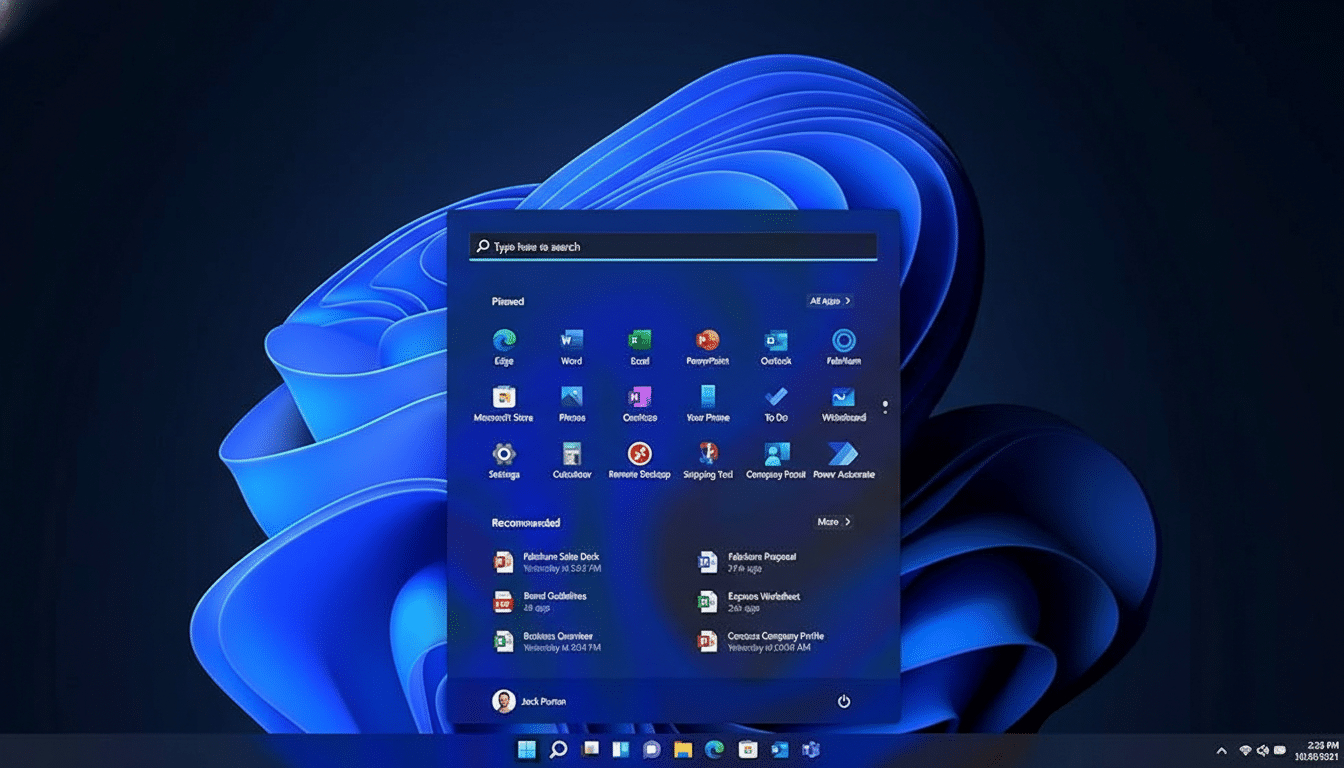
Microsoft’s Copilot is integrated at the OS level for AI-assisted search, writing help, and quick system actions.
Workflow upgrades are notable too. Snap Layouts and multiple desktops make juggling apps simpler, while an updated DirectX 12 Ultimate graphics stack benefits modern games and GPU-accelerated creative tools. Pro is also tuned for hybrid work, with features like Assigned Access and kiosk mode for specialized devices.
Why This Windows 11 Pro Deal Is Landing Right Now
Many PCs are still clinging to older Windows versions, which increasingly miss out on security hardening and app support. StatCounter data shows Windows 11 surpassed 30% of the Windows desktop base worldwide while Windows 10 still leads—meaning a large cohort hasn’t moved yet. For small businesses balancing budgets and compliance, a sub‑$15 Pro license meaningfully lowers the barrier to a secure, supported OS.
Insurers and auditors often expect full-disk encryption, secure boot, and strong account policies—capabilities that are simpler to enforce on Pro. Developers and IT pros, meanwhile, gain Hyper‑V for spinning up test VMs and Windows Sandbox for quick, disposable app checks without contaminating a host system.
Hardware and Compatibility Checklist for Windows 11 Pro
Before buying any license, verify your PC meets Windows 11’s baseline:
- A compatible 64-bit CPU
- TPM 2.0
- Secure Boot
- 4GB of RAM or more
- At least 64GB of storage
Many 8th‑gen Intel and Ryzen 2000‑series and newer systems qualify, though OEM settings may have TPM disabled in firmware. Microsoft’s PC Health Check utility can confirm readiness, and most motherboard BIOS menus allow enabling fTPM or PTT if it’s off.
If your device is already running Windows 11 Home, upgrading to Pro typically preserves files and apps. Coming from Windows 10, the Upgrade Assistant or a clean install will get you there, but back up first—especially on older drives nearing end of life.
Activation and Licensing Caveats to Consider First
Ultra‑low prices can signal gray‑market or region‑locked keys. To reduce risk, confirm the seller discloses license type (retail vs. OEM vs. volume) and refund policies, and complete activation immediately after purchase. Once installed, activation status appears in Settings under System > Activation; if issues arise, Microsoft’s Activation Troubleshooter can help rebind a license after hardware changes.
Enterprises using Microsoft 365 or device management may require volume licensing rather than individual retail keys. For everyone else—freelancers, students, home offices—a properly activated retail or OEM key is usually sufficient. Be cautious of offers that bundle suspicious “lifetime warranties” or ask for remote access during activation.
Pro versus Home at a Glance: Key Differences Summarized
Windows 11 Home covers everyday use, but Pro adds controls that matter when your data, clients, or code are on the line. Examples include:
- A photographer encrypting drives with BitLocker to satisfy contract clauses
- A contractor hosting Remote Desktop to reach a powerful PC from the field
- A developer running Linux containers and Windows VMs side by side with Hyper‑V
- A retailer locking a front‑of‑house device into kiosk mode
Security baselines are more configurable on Pro via Group Policy, and Azure AD (now Microsoft Entra ID) join streamlines sign‑in for managed accounts. If you ever need to hand a device to IT for management, Pro is the expected foundation.
Is It Worth Upgrading at $12.97? Our Bottom-Line Take
For compatible PCs that need a new key, this price is compelling. You unlock enterprise‑grade protections, management hooks, and virtualization, plus AI‑enabled helpers, for roughly the cost of lunch. The only real downside is the need to vet the seller and confirm successful activation quickly.
Bottom line: If you’ve been holding off on Windows 11 Pro for cost reasons, this 93% cut removes the biggest barrier. Confirm your hardware, back up your files, validate the license type, and you can land a top‑tier Windows experience for a fraction of its usual sticker price.