


Wikipedia has moved to blacklist Archive.today—also known via domains like archive.is, archive.ph, and archive.fo—after accusations that the service weaponized its CAPTCHA system to mount a distributed denial-of-service attack against a blogger. The decision affects a vast trove of citations: Wikipedia estimates roughly 400,000 pages contain more than 695,000 links to the archive.
Community discussions, first noted by independent tech reporters, describe a pattern in which code on Archive.today’s challenge pages allegedly coerced visitors’ browsers into sending repeated requests to a target site. The target, an investigative writer who publishes under the pen name Gyrovague and is known offline as Jani Patokallio, had probed the identity and operations of Archive.today’s owner.
The blacklist means editors can no longer add Archive.today links, and existing links will be systematically replaced or removed. Volunteers are steering editors toward alternatives such as the Internet Archive, Ghostarchive, and Megalodon for preserving citations and combating link rot.
Why Wikipedia Drew the Line on Archive.today Links
Wikipedia’s core content policies hinge on verifiability and reliability. While Archive.today has been popular for capturing snapshots of volatile web pages—especially those behind paywalls—the alleged use of CAPTCHA challenges as a vehicle for browser-based DDoS crossed a bright line for site integrity and user safety, according to administrators who summarized the community’s consensus.
Patokallio’s prior reporting traced multiple aliases tied to the archive’s operator and suggested a cross-border footprint, including a Czech trademark filing for the Archive.today brand. He also shared messages he characterized as threats from someone claiming to run the service. Separately, the platform has attracted scrutiny from law enforcement, with reports indicating it has been the subject of an FBI inquiry.
From a technical standpoint, the accusation describes a known abuse vector: injecting JavaScript on a high-traffic page so users’ browsers unwittingly bombard a target domain with cross-origin requests. Even modest participation rates can multiply into meaningful traffic spikes at scale, effectively turning visitors into unwilling participants in an attack.
How the Blacklist Changes Editing Across Wikipedia
Practically, Wikipedia’s spam-blacklist tooling will block new additions of Archive.today links. Existing citations are slated for cleanup through a mix of bots and manual edits. Projects like InternetArchiveBot, which has already restored millions of dead links across Wikipedia, are expected to play a central role in swapping Archive.today URLs for snapshots from trusted repositories.
Editors are being encouraged to replace Archive.today references with the original sources where possible, or with snapshots hosted by the Internet Archive’s Wayback Machine, which indexes hundreds of billions of pages and maintains robust transparency around takedowns and trust and safety processes. For multimedia or social content, Ghostarchive and Megalodon are being proposed as stopgaps, provided they meet article-specific sourcing standards.
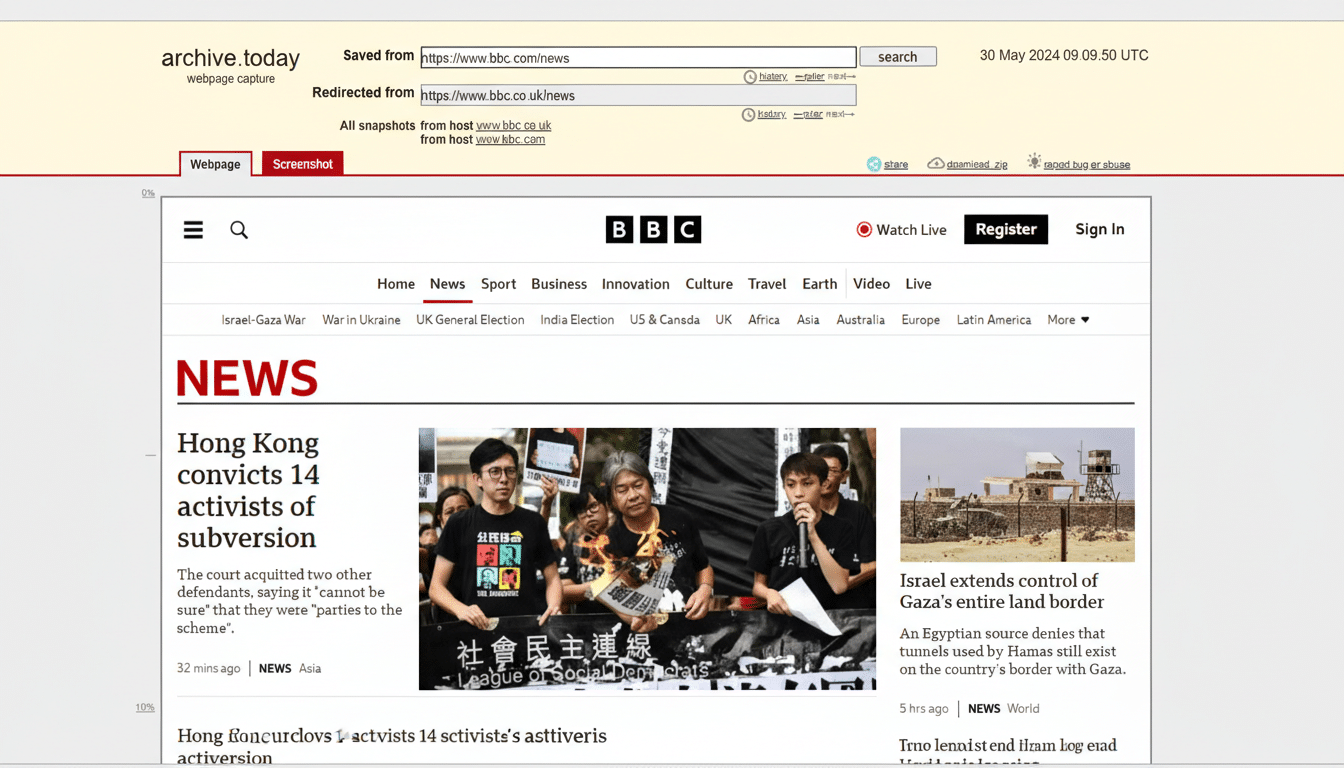
The cleanup is nontrivial. With nearly 700,000 affected links, topic areas that historically leaned on Archive.today—such as fast-moving news, political communications, or paywalled investigative journalism—will require targeted attention to preserve citation continuity and avoid link rot.
An Archive With a Controversial Footprint
Archive.today built its reputation on capturing pages that other archives sometimes miss, including dynamic or paywalled content. That capability made it a favorite among some editors and researchers, but also sparked recurring debates about copyright, fair use, and paywall circumvention. Wikipedia’s neutral point of view and verifiability frameworks do not grant special status to convenience; when platform behavior endangers readers or editors, communities tend to act decisively.
The alleged DDoS is not the first controversy tied to the service, but it is the most consequential for Wikipedia. Blacklisting at this scale is rare and signals a judgment that the risks of enabling the domain now outweigh the archival benefits it once provided.
What Comes Next for Wikipedia and Its Citations
Patokallio welcomed the outcome, praising the clarity of the community’s decision and urging the Wikimedia Foundation to explore a first-party archival option. While Wikimedia has long collaborated with the Internet Archive to preserve citations and patch dead links automatically, a dedicated in-house archival layer could tighten safeguards and editorial oversight.
In the near term, readers should see minimal disruption if replacement links are added promptly. The episode will likely accelerate ongoing efforts to harden Wikipedia’s citation infrastructure, reduce single-point dependencies on third-party mirrors, and improve auditability of archival sources used in articles.
The broader takeaway is clear: archiving can strengthen the public record, but trust in those archives is not automatic. When an archive becomes part of the story, platforms that rely on it must reassess the trade-offs. Wikipedia has done so—and opted to pull the plug.