


Reliability, cleanliness of joints, and labor efficiency are becoming increasingly important in custom fabrication shops. Tube coping tools address all three needs by helping workers shape tube ends for accurate connections. Their value extends beyond speed. Better preparation can reduce gaps, limit filler material, and improve weld consistency across repeated assemblies.
As projects become more detailed and production schedules become tighter, this equipment is moving from a specialty purchase to a practical part of everyday fabrication work.
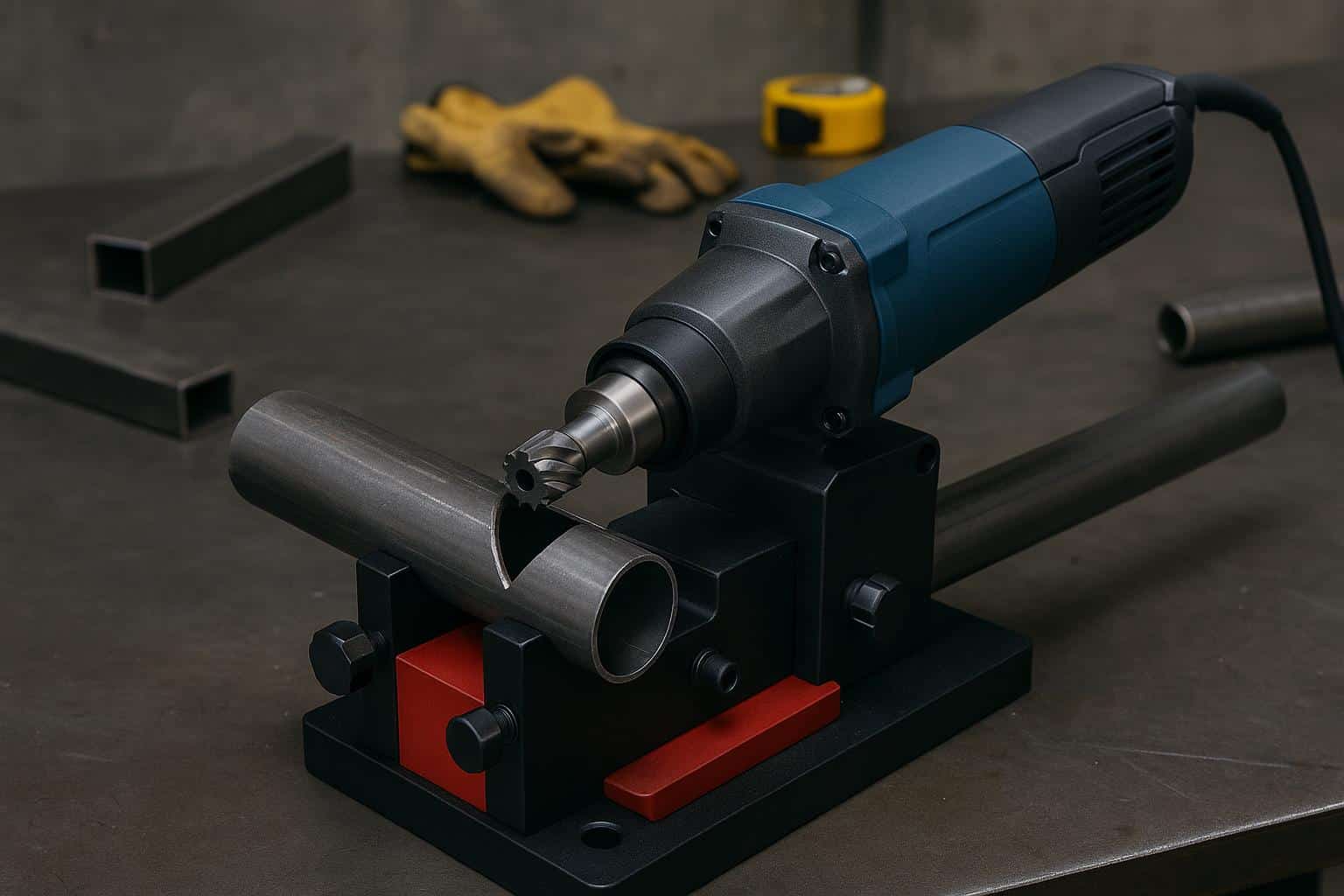
Accuracy Starts at the Joint
Tube ends must match the surface they meet. Poorly shaped cuts can create wide gaps, uneven contact, and extra grinding before welding. A precision tube coping tool solution helps fabricators mark and remove material with greater control. The result is a closer joint that requires less correction. Accurate preparation also gives welders a more consistent edge, which supports cleaner beads and more predictable finishing work.
Less Rework, More Productive Labor
Manual fitting often involves repeated trimming, test placement, and grinding. Each adjustment consumes labor without adding value to the finished assembly. By guiding the cut around the tube profile, a dedicated coping process reduces those cycles. Workers can spend more time on layout, welding, and inspection. Shops also gain a clearer production rhythm because preparation takes fewer uncertain steps.
Rework affects more than labor hours. It can delay downstream operations, disturb carefully marked locations, and increase abrasive use. Better cuts help protect the original layout. Such precision matters on frames, supports, handrails, exhaust assemblies, and other structures where several joints must align at once.
Repeatability Matters in Custom Work
Custom projects may involve one-off dimensions, yet many assemblies still contain repeated features. A roll cage can include several similar intersections. A chassis may require matching braces on opposite sides. Consistent coping helps preserve those relationships.
Repeatability also improves training. Newer workers can follow a defined preparation method instead of relying entirely on instinct. Experienced fabricators gain a dependable reference for common tube sizes and joint angles. This shared process supports more consistent results across shifts and project types.
Better Fit-Up Supports Better Welding
Welding quality depends heavily on preparation. A close-fitting joint gives heat and filler metal a more controlled path. Smaller gaps can reduce the risk of excessive burn-through, uneven penetration, or heavy buildup. The correct result still depends on material, wall thickness, settings, and operator skill, but accurate coping creates a stronger starting point.
Good fit-up can also reduce distortion. When connected tubes sit in their intended positions, fewer forced adjustments are needed during tacking. That helps preserve alignment before the final welds are completed. For assemblies that must remain square, centered, or symmetrical, this control can prevent costly corrections later.
A Practical Answer to Material Waste
Every inaccurate cut can consume another section of tube. Excess trimming also produces more scrap and requires additional finishing work. Coping tools help workers remove material with a clearer plan, which supports better stock control.
Material savings may appear modest on a single joint. Across a busy shop, repeated improvements can affect purchasing, storage, and job costing. Accurate preparation also makes it easier to estimate how much tube each project requires. That information helps reduce last-minute material runs and supports more dependable scheduling.
What Shops Should Evaluate
Before selecting equipment, fabricators should review the tube sizes, wall thicknesses, angles, and materials used most often. The tool should match the shop’s normal workload rather than an occasional project. Marking clarity, adjustment range, replacement parts, and ease of setup also deserve attention.
A useful evaluation includes a sample joint. The shop can check cut accuracy, fit-up time, cleanup requirements, and repeatability across several pieces. Operators should also consider storage and access. Equipment that remains organized and ready for use is more likely to become part of the regular workflow.
Conclusion
Tube coping tools are gaining a permanent place in custom fabrication because they solve several daily production problems at once. They improve joint accuracy, reduce correction work, support cleaner welding, and help control material use. Their value is especially clear in projects with repeated intersections or strict alignment requirements.
By treating tube preparation as a measured process, fabrication shops can improve consistency while giving skilled workers more time for the tasks that require judgment and experience.