


The real estate landscape is shifting rapidly this year. Traditional sectors like commercial offices and retail spaces continue to experience slow recoveries. Meanwhile, a quieter but much more lucrative asset class is drawing massive institutional interest.
Savvy investors are pouring billions of dollars into senior housing and care facilities. This is not a temporary trend or a sudden speculative bubble. It is the result of powerful demographic and economic forces converging at once.
If you want to understand where the smart money is moving, you must look closely at this sector. The opportunities in 2026 are unlike anything we have seen in decades.
The Demographic Tsunami Hits Home
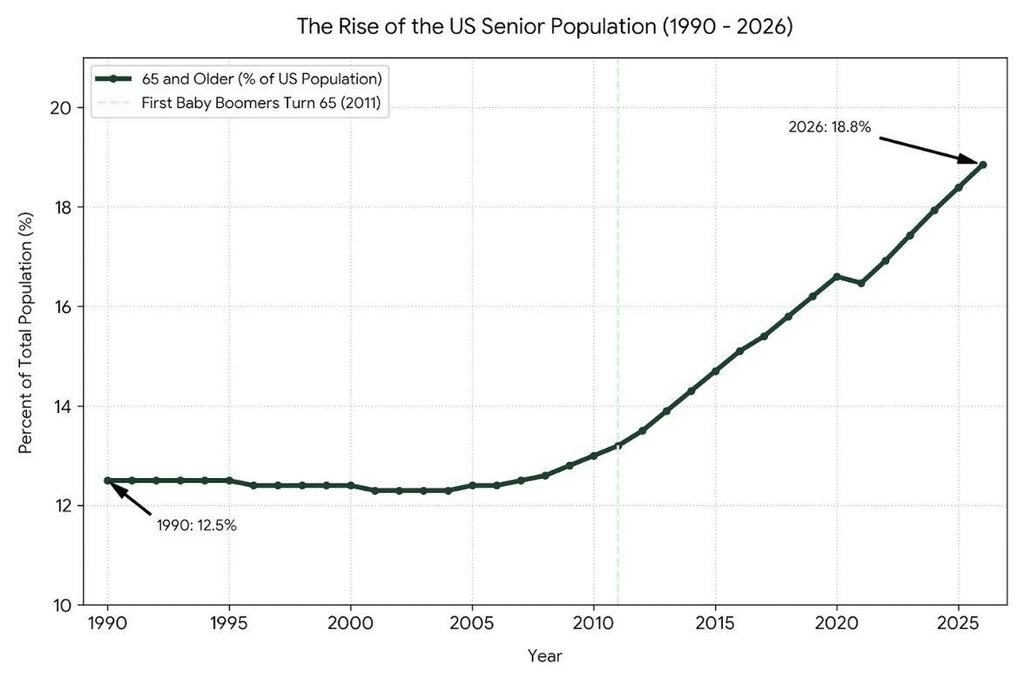
The primary driver behind this investment rush is incredibly simple. It comes down to basic human biology and generational math. In 2026, the oldest members of the famous baby boomer generation are turning eighty years old.
This milestone marks a massive shift in the demand for senior accommodations. The population of seniors aged eighty and older is projected to grow by over thirty-six percent during the next decade. By comparison, the overall population growth in the country is expected to sit at just five percent.
This enormous imbalance creates a guaranteed pool of future residents. These seniors are wealthier and have higher lifestyle expectations than previous generations. They are actively seeking communities that offer independence, rich amenities, and reliable care.
Investors realize that this demographic wave is highly predictable. Unlike tech trends or consumer fads, aging is an absolute certainty. The demand is already locked in, and it is growing larger every single day.
A Perfect Storm of Limited Supply
While demand is climbing to historic heights, the supply of senior housing is doing the exact opposite. Construction starts for new senior communities plummeted to historic lows over the last few years. High interest rates and expensive building materials forced developers to pause their projects.
Because it takes nearly three years to build a modern senior living facility, this construction freeze is causing major problems today. There are simply not enough beds or apartments to go around. National occupancy rates have climbed steadily, now hovering near ninety percent.
This severe shortage of inventory gives existing property owners immense leverage. They do not have to worry about newer, flashier competitors opening down the street anytime soon. Any new construction started today will not open its doors until late 2028 at the earliest.
This supply lag creates a highly protective barrier for current owners. It guarantees a multi-year period of high occupancy and low competition. For an investor, a market with high demand and virtually zero new competition is the ultimate dream.
Pricing Power and Growing Profit Margins
Because supply is so tight, operators are experiencing incredible pricing power. Annual rental rates for senior housing are rising at a steady pace of over four percent. This consistent growth helps operators easily outpace general inflation.
At the same time, the financial performance of these properties is improving. Operating margins are expanding as the industry stabilizes after years of labor challenges. Modern facilities are using smart technologies to streamline their daily operations.
Furthermore, these properties are incredibly resilient during broader economic downturns. Senior care is a necessity-driven service rather than a luxury purchase. This means families will prioritize these expenses even during challenging financial times.
This combination of rising rents and controlled expenses is a recipe for strong cash flow. Institutional investors are taking notice. They are aggressively buying up mid-market and luxury senior housing assets across the country.
Even in a complex economic climate, senior housing is proving to be a highly resilient asset class. It provides a reliable hedge against inflation while offering steady, long-term capital appreciation.
Exploring New Investment Frontiers
Not every investor wants to buy an entire apartment complex or manage a massive facility. Fortunately, the senior housing boom offers several different entry points for various budget levels. One of the most popular avenues today is investing in local, community-based care models.
Many entrepreneurs are choosing to acquire localized franchises to capture this growing market. You can often find a premium senior care franchise territory for sale in rapidly growing suburban areas. These territories allow investors to build scalable businesses with established brand support.
These local models require far less initial capital than buying a large physical building. They focus on providing personalized, non-medical care directly to seniors in their own homes or small group settings. This flexibility makes them highly attractive to modern business owners.
By securing a dedicated territory, you position yourself at the center of your local community’s aging infrastructure. It is a highly strategic way to ride the demographic wave without the headaches of commercial real estate management.
Choosing the Right Path to Success
If you decide to enter this space through franchising, doing your homework is absolutely essential. The market is filled with various brands, but they do not all offer the same level of support. You must look for systems that have a proven track record of regulatory compliance and strong training programs.
Identifying the best senior care franchise requires looking at unit economics and franchisee satisfaction scores. The top brands provide extensive training, advanced scheduling software, and robust marketing systems. These tools help you recruit high-quality caregivers and win the trust of local families.
A strong brand also helps you navigate the complex world of healthcare regulations. Having a corporate partner to guide you through licensing and compliance is incredibly valuable. It drastically reduces your operational risk and speeds up your path to profitability.
Investing in a top-tier brand ensures that you are building a sustainable asset. It allows you to combine professional business goals with a deeply meaningful mission of helping others.
The Long-Term Outlook Beyond 2026
The current investment window will not stay open forever. As interest rates begin to stabilize, developers will inevitably start building new senior housing properties again. However, the sheer size of the aging population means that demand will continue to outpace supply for a long time.
Additionally, technology is playing a vital role in making these operations more sustainable over time. From health tracking sensors to automated scheduling, tools are reducing the reliance on massive nursing staff. This technological integration is helping to stabilize operating expenses and secure future returns.
Industry experts estimate that the sector will need billions of dollars in new capital just to keep up with basic needs over the next decade. This means that early investors who buy or build now are positioning themselves for massive gains. They will hold the most valuable assets when the peak of the baby boomer generation enters their eighties.
The transition from traditional real estate to senior housing is accelerating. What was once considered a niche alternative asset class is now a mainstream investment powerhouse.
Conclusion
The rush of capital into the senior housing market is a rational response to undeniable data. The combination of an aging population, a severe supply shortage, and strong pricing power makes it an incredibly compelling opportunity.
You can invest in large physical developments, or you can build a localized care business. The path you choose depends on your capital, your skills, and your personal goals.
One thing is certain. The investors who act decisively today will be the ones who reap the greatest rewards as the silver wave continues to sweep across the country.