


Competition has always existed wherever people push themselves against limits. From sports fields to gaming tables to workplace challenges, the need to measure performance and celebrate success is universal. What is changing today is not the competition itself, but the way people choose to recognize it. Standard trophies and certificates are slowly being replaced with more meaningful, personalized, and story driven forms of celebration.
The Evolution of Recognition in Competitive Culture
For decades, recognition followed a simple pattern. A winner was announced, a trophy was handed over, and the moment was considered complete. While this approach still exists, it often fails to create a lasting emotional connection. People remember the win, but not always the feeling attached to it.
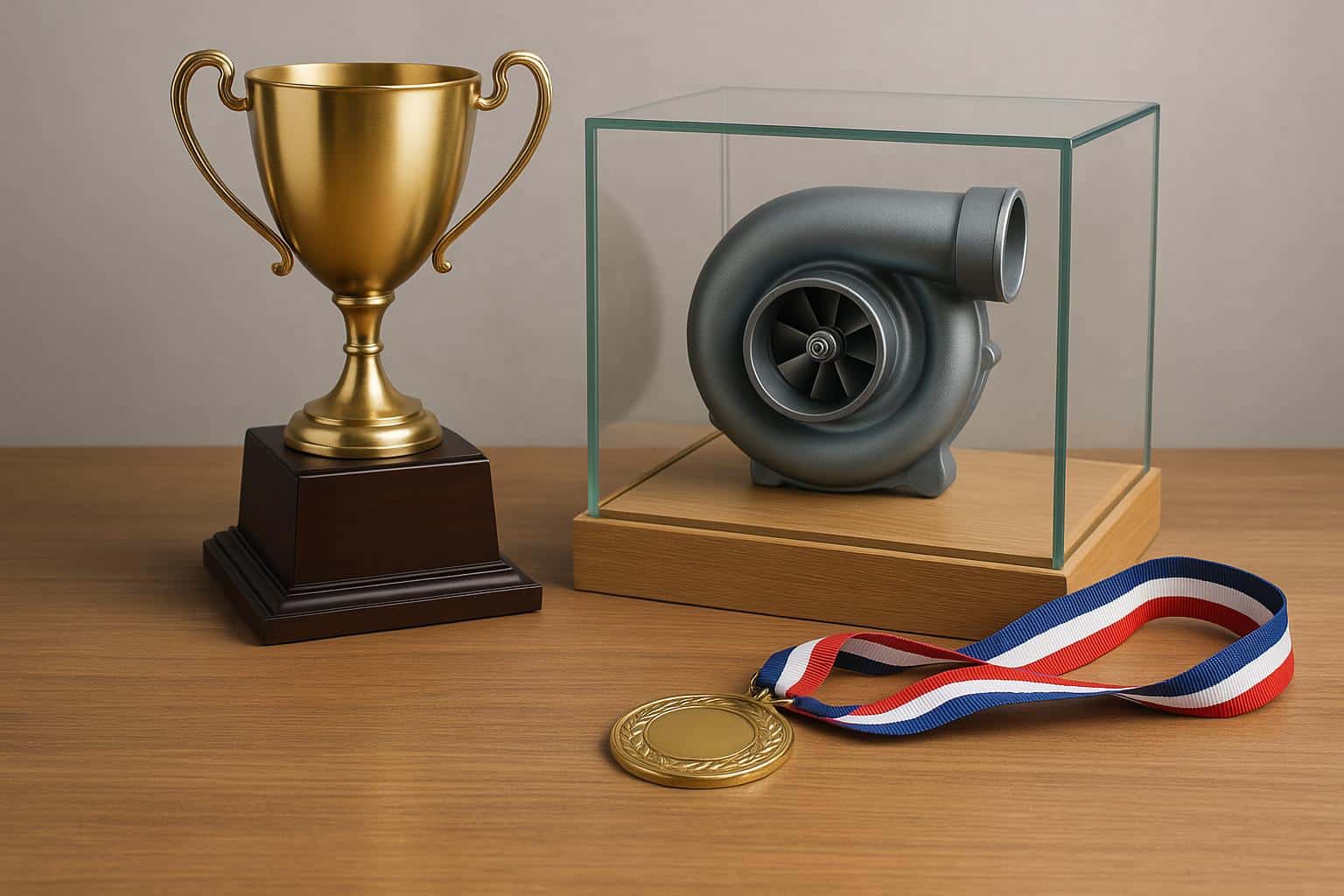
Modern competition culture is moving toward recognition that lasts longer in memory. The focus is shifting from simple ownership of an award to the experience and identity attached to it. The reward is no longer just a final object. It is becoming part of the story itself.
From Standard Awards to Personal Meaning
The main reason behind this shift is emotional value. A standard trophy may represent victory, but it rarely reflects the effort behind it. People now want recognition that feels personal and intentional.
In many communities, even informal leagues are investing more thought into how winners are celebrated. A carefully designed reward carries more meaning than something mass produced. This is where items like custom wrestling belts stand out, because they transform a simple win into something symbolic. It is not just a prize, it becomes a representation of identity, effort, and status within the group.
The Rise of Identity Driven Rewards
One of the strongest forces shaping modern recognition is identity. People want their achievements to reflect who they are, not just what they have done. This has led to a growing interest in rewards that can be customized, personalized, or designed around a specific story.
Why Personalization Matters More Than Ever
Personalization changes how a victory is perceived. When a reward includes names, themes, or designs connected to a person or group, it becomes more than an object. It becomes a memory anchor.
This shift is not limited to physical items. Digital culture has also influenced how achievements are expressed and shared. Platforms such as sparx science contribute to this experience by shaping how moments of success are presented and remembered in online spaces. Recognition is no longer confined to a physical ceremony. It extends into digital storytelling where audiences engage with the moment.
The Emotional Weight of Custom Experiences
What makes personalized rewards powerful is not their design alone, but the emotion they carry. A unique reward reminds people of the journey they went through. It reflects effort, struggle, and growth in a way that generic awards cannot replicate.
Even interactive experiences like Strands highlight how people enjoy uncovering meaning within patterns. That same appreciation for detail and discovery is reflected in how modern rewards are designed. They are no longer just handed out. They are thoughtfully created to represent something deeper.
Community Influence on Competitive Recognition
Competition is rarely an isolated experience. It is built within communities, teams, or groups that share the same competitive space. This social aspect plays a major role in how achievements are celebrated.
Building Traditions Through Recognition
When a group repeatedly invests in meaningful ways to honor winners, traditions begin to form. These traditions become part of the identity of the community. Each new competition adds another layer to the shared history.
Over time, the reward itself becomes symbolic. It is not just about who wins today, but about being part of something ongoing. This sense of continuity strengthens engagement and makes competition more meaningful for everyone involved.
Strengthening Social Bonds
Unique recognition also strengthens relationships within competitive groups. When rewards are designed with care, they show respect for the effort put in by participants. This builds a stronger emotional connection between members of the community.
The reward becomes a shared reference point. It is something people talk about, remember, and look forward to. This creates a deeper sense of belonging that goes beyond the competition itself.
Why This Shift Is Becoming Permanent
The movement toward unique recognition is not temporary. It reflects a broader cultural change in how people value experiences. Modern audiences care more about meaning than repetition.
Experience Over Object
People are no longer satisfied with just receiving something at the end of a competition. They want the entire experience to feel meaningful. The reward is only part of a larger emotional journey.
This is why more communities are designing recognition systems that focus on storytelling, identity, and memory rather than just physical prizes.
The Future of Competitive Recognition
As competition continues to evolve, recognition will become even more personalized and experience driven. Standard awards will still exist, but they will no longer define how success is celebrated. Instead, the focus will shift toward creative, meaningful, and community centered forms of recognition.
Conclusion
People are investing in unique ways to honor competition because they want more than a result. They want meaning, identity, and memory attached to their achievements. Modern recognition is becoming less about objects and more about stories that stay with people long after the competition ends.
As this shift continues, the way victories are celebrated will keep evolving. What will never change is the human desire to make success feel personal, meaningful, and worth remembering.