


Industrial equipment has undergone a remarkable transformation over the past several decades.
Modern machines are faster, more intelligent, and more connected than ever before. Automation continues expanding across industries, while advances in software, sensors, and data analytics are helping organizations improve productivity and efficiency.
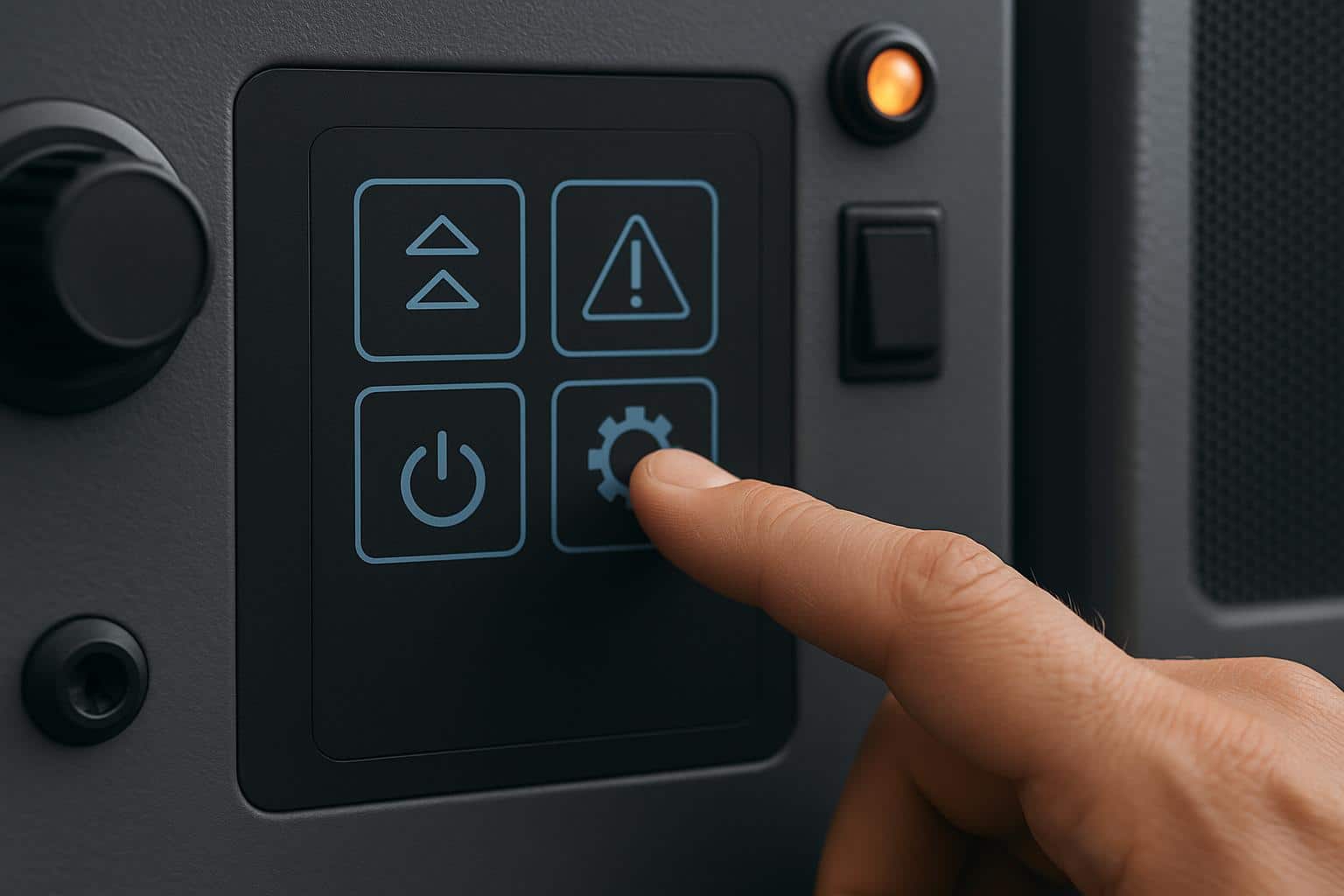
Yet despite all of this innovation, one element remains critically important: the interface between people and machines.
No matter how sophisticated equipment becomes, operators still need dependable ways to interact with it.
This growing focus on reliability, usability, and long-term performance is one reason many manufacturers are adopting premium piezo switches as part of modern equipment designs.
These technologies are helping industries rethink how control systems should perform in demanding environments where reliability is essential.
The Demands on Industrial Equipment Continue Growing
Today’s industrial environments often operate under intense conditions.
Equipment may run continuously for extended periods while being exposed to:
- Dust
- Moisture
- Chemicals
- Heavy vibration
- Temperature extremes
- Frequent operator interaction
These conditions place significant stress on every component within a system.
While motors, sensors, and software often receive the most attention, control interfaces experience constant use and therefore require exceptional durability.
Every Interaction Matters
Operators may engage with a machine hundreds or thousands of times during normal operations.
Over months and years, that usage adds up.
Reliable controls help ensure equipment remains productive and available when needed.
Downtime Is Expensive
One of the biggest concerns facing industrial organizations is unplanned downtime.
Even short interruptions can affect:
- Production schedules
- Labor efficiency
- Customer commitments
- Maintenance budgets
- Overall profitability
Because of these costs, manufacturers constantly evaluate ways to improve equipment reliability.
Control systems represent an important part of that equation.
Small Failures Can Create Large Problems
A machine may contain thousands of components.
However, the failure of a single interface component can prevent operators from using the system effectively.
This is why durable control technologies continue attracting attention across multiple industries.
User Expectations Have Changed
Modern workers interact daily with advanced technology outside of the workplace.
Smartphones, tablets, connected vehicles, and digital devices have raised expectations regarding usability and responsiveness.
As a result, industrial users increasingly prefer systems that are:
- Intuitive
- Consistent
- Easy to operate
- Visually modern
- Highly reliable
Equipment manufacturers are responding by prioritizing user experience alongside performance.
Better Interfaces Improve Efficiency
When controls are easier to use, operators can focus more attention on their tasks.
This often contributes to improved productivity and reduced operational friction.
Durability Supports Long-Term Value
Organizations are increasingly evaluating equipment based on total lifecycle performance rather than initial acquisition cost.
A more durable solution may provide benefits such as:
- Reduced maintenance
- Longer service life
- Fewer interruptions
- Improved reliability
- Lower replacement costs
These advantages often justify investments in higher-quality interface technologies.
Reliability Builds Confidence
Operators perform best when they trust the equipment they use.
Dependable controls help create that confidence while supporting consistent performance.
Industrial Design Is Evolving
Industrial equipment is no longer judged solely on functionality.
Manufacturers increasingly consider:
- Ergonomics
- Appearance
- Ease of use
- User experience
- Interface design
Advanced touch-based technologies support these objectives by providing modern and streamlined solutions that align with contemporary design philosophies.
The Future of Industrial Interaction
As automation and digital transformation continue reshaping industries, effective human-machine interaction will remain essential.
Machines may become more capable, but people still need reliable ways to monitor, manage, and control them.
Many organizations are incorporating industrial touch switches because they support the durability, reliability, and user experience modern operations require.
Building Equipment for the Next Generation
Industrial technology continues advancing at a rapid pace, but success still depends on the quality of the interaction between people and machines. Durable control systems help bridge that gap by providing reliable and intuitive ways for operators to engage with increasingly sophisticated equipment. As industries pursue greater efficiency and reliability, advanced touch-control technologies are becoming an important part of building the next generation of industrial systems.