


“Oh no, not today!” says Karen in the office when the air conditioner stops working.
The issue is that most people only think about their HVAC system when it stops working. The air gets stuffy, the room gets hot, someone complains, and suddenly the system becomes everyone’s problem.
What rarely gets attention is the more serious side of neglect. HVAC systems go beyond basic comfort. They manage airflow, temperature, combustion gases, moisture and air quality across entire buildings. When they fail quietly, the consequences can go far beyond mere inconvenience.
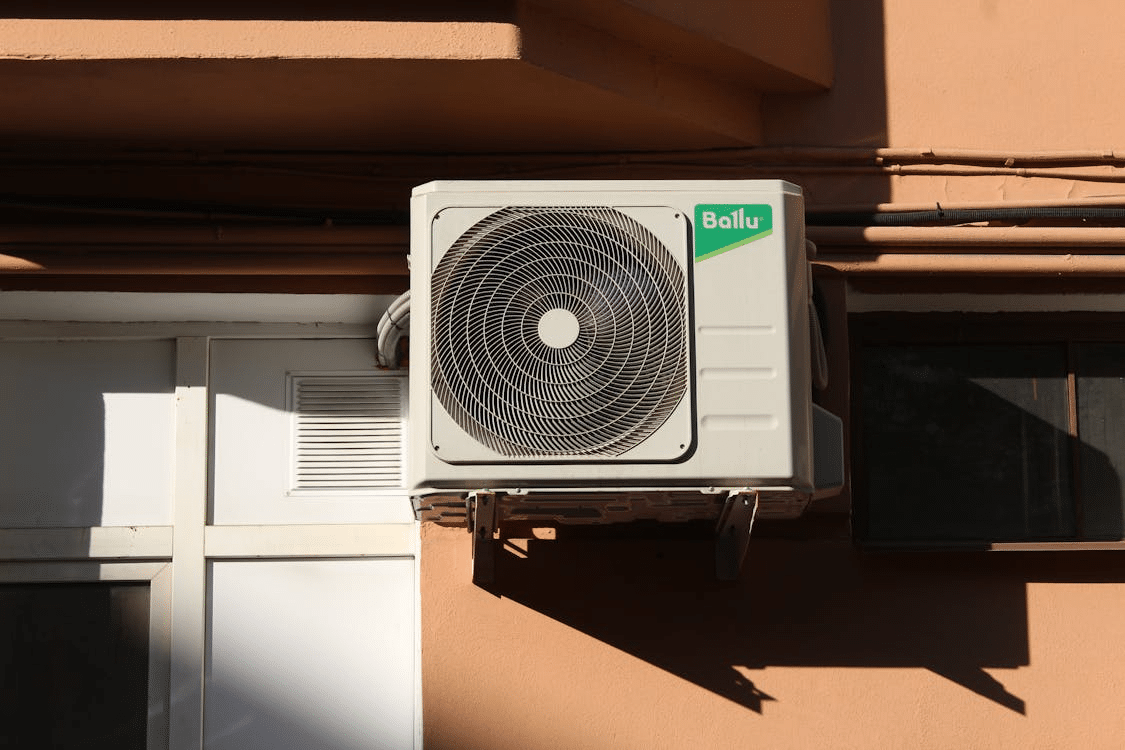
Neglected HVAC systems can create dangerous situations that are largely preventable with routine servicing. A proactive maintenance approach, then, is not overkill, but is more of basic risk management.
The Silent Risk of Carbon Monoxide Leaks
Carbon monoxide (CO) is colourless, odourless and impossible to detect without proper monitoring equipment. It is produced when fuel does not burn completely, which can happen when heat exchangers crack or ventilation systems fail.
This is super risky, as faulty HVAC systems can slowly leak CO into indoor spaces without any visible warning signs. Even low-level exposure can cause issues like headaches, dizziness and fatigue. Higher concentrations can lead to unconsciousness or death. Because symptoms often resemble common illnesses, the source is frequently overlooked until it becomes severe.
This is why HVAC preventative maintenance is critical. Routine inspections by seasoned operators like the professionals at HVAC Experts can help identify damaged heat exchangers, blocked flues and ventilation failures before they become life-threatening. Many Australian building safety authorities stress that regular servicing is the only reliable way to detect these silent hazards early.
Dust Build-Up and Fire Risk
Fire risk is another overlooked consequence of poor HVAC maintenance, particularly in Australian conditions where dust accumulation is common and often hazardous.
Over time, dust and debris tend to collect within ductwork, filters, and internal components. When airflow becomes restricted, wiring overheats and mechanical strain increases. Combined with combustible dust buildup, this creates conditions where equipment can ignite.
Overworked fan motors and clogged filters are among the leading causes of HVAC-related fires. These incidents are usually predictable outcomes of systems running under constant stress without servicing. Routine cleaning, filter replacement and mechanical inspections significantly reduce this risk. To put it another way, a well-maintained system runs cooler, uses less energy and operates safely under normal load conditions.
Hidden Health Risks From Mould and Bacteria
Neglected HVAC systems can also affect indoor health in less obvious ways. Moisture accumulation inside ducts, cooling towers and drip trays creates ideal conditions for mould, fungi and bacteria to grow.
One of the most serious concerns is Legionella bacteria, which can develop in poorly maintained water systems and spread through airborne droplets. Exposure can lead to Legionnaires’ disease, a severe form of pneumonia. Even less dangerous contaminants can trigger respiratory irritation, allergies and ongoing health issues, particularly for children, older adults or individuals with existing conditions like asthma.
Regular cleaning, drainage checks and system sanitation prevent microbial growth and maintain safe indoor air quality. In many commercial settings, especially healthcare and hospitality, this maintenance is a regulatory requirement rather than a recommendation.
Efficiency, Longevity, and Fewer Emergency Repairs
Safety is the strongest reason to maintain an HVAC system, but there are practical financial benefits as well. Well-maintained systems operate more efficiently, consume less energy and experience fewer breakdowns.
Small faults caught early prevent major component failures later. A loose connection, worn belt or blocked filter may seem minor, but if left unresolved, it can damage expensive equipment or cause complete system failure during peak demand. Routine servicing extends equipment lifespan and reduces unexpected repair costs. In commercial environments, this also means fewer disruptions to operations, productivity and customer experience.
Why a Proactive Approach Matters
HVAC systems are designed to run quietly in the background, which makes it easy to assume everything is fine as long as air is moving.
The reality is that many serious issues develop gradually and remain invisible until they become emergencies. Ignoring maintenance may save time in the short term, but it increases exposure to hazards that are entirely avoidable.
Regular servicing keeps the system doing what it was designed to do quietly, safely, and reliably. Ideally, the only thing you should ever notice about your HVAC system is that you never have to think about it.