


Metal accumulates on a working site faster than most operations plan for. Fabrication offcuts, damaged stock, retired fixtures, and stripped wiring fill corners until the clutter interferes with production itself. Arranging scrap pickup near Atlanta on a set schedule removes that pressure before it builds, which is why many contractors and plant managers move from occasional phone calls to standing service. The reasons behind that trust are practical rather than promotional.
Containers Placed Where Material Is Generated
The distance between a cutting station and a container decides whether metal gets separated properly or simply stacked against a wall. Placing boxes at the point of generation, rather than at a single collection area behind the building, keeps material moving as it comes off the machine, and Taylor’s Scrapyard and Metal Recycling positions them with that in mind. Sites running several processes usually need more than one container, sized differently for forklift access and truck clearance. Getting placement right at the start saves a great deal of handling, since metal moved twice consumes labor without adding value.
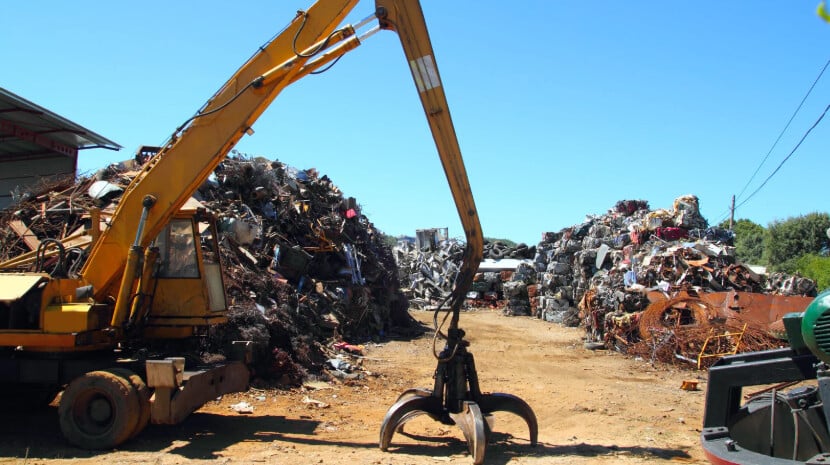
Pickup Schedules Matched to Actual Output
A container emptied on a fixed cadence behaves very differently from one emptied when somebody notices it overflowing. Taylor’s Scrapyard and Metal Recycling sets rotation frequency against measured volume, so full boxes leave and empty ones arrive on the same visit, without interrupting a shift. Operations running heavy weeks alongside slower ones can adjust that rhythm rather than holding to a rigid calendar. Predictable service matters more to most plant managers than a marginal difference in rate, since congestion on a floor costs far more than the spread between two quotes.
Vehicles Purchased for Metal Content Alone
Fleet turnover and retired equipment leave companies holding vehicles no longer worth maintaining. Those units are bought strictly for the metal in them and paid on weight, with no assessment of running condition. The team at Taylor’s Scrapyard and Metal Recycling keeps that transaction simple, since the only variables are tonnage and current grade pricing. Vehicles under twelve years old require a title before processing. Transport is not handled directly, though customers who cannot deliver a unit themselves are referred to a reliable local tow company, which keeps the whole arrangement straightforward.
Certified Weighing and Documented Settlement
Every load crosses a certified scale, and the tare weight of the empty container is subtracted to establish net tonnage. Grades are assessed against pricing that moves with commodity markets rather than holding flat, so figures are quoted as competitive rates against current conditions instead of fixed promises. Taylor’s Scrapyard and Metal Recycling issues documentation covering weights, grades, and totals on each pickup. Accounting departments use those tickets for job costing and client billing without having to reconstruct anything from memory at the close of a period.
Consistent Contacts and Experienced Grading
Long-running accounts depend on people who already know the site. Familiarity with a customer’s material mix means grading conversations become confirmations rather than negotiations, because both sides expect the same categories from the same operation. As a family-operated business serving the North Atlanta area since the mid-1950s, Taylor’s Scrapyard and Metal Recycling has held its staffing steady, and that continuity shows in how quickly issues get resolved. A supervisor who can reach the same contact about a container swap settles it in minutes.
Conclusion
Trust in this operation comes from repetition rather than presentation. Containers positioned sensibly, rotations timed to real output, weights recorded on certified equipment, and paperwork issued the same way every time all remove friction from something most companies would rather not think about. Handling the material dependably lets operations managers concentrate on production instead of on where the metal is going. That predictability, held steady across years rather than months, is what keeps accounts in place and referrals coming.