


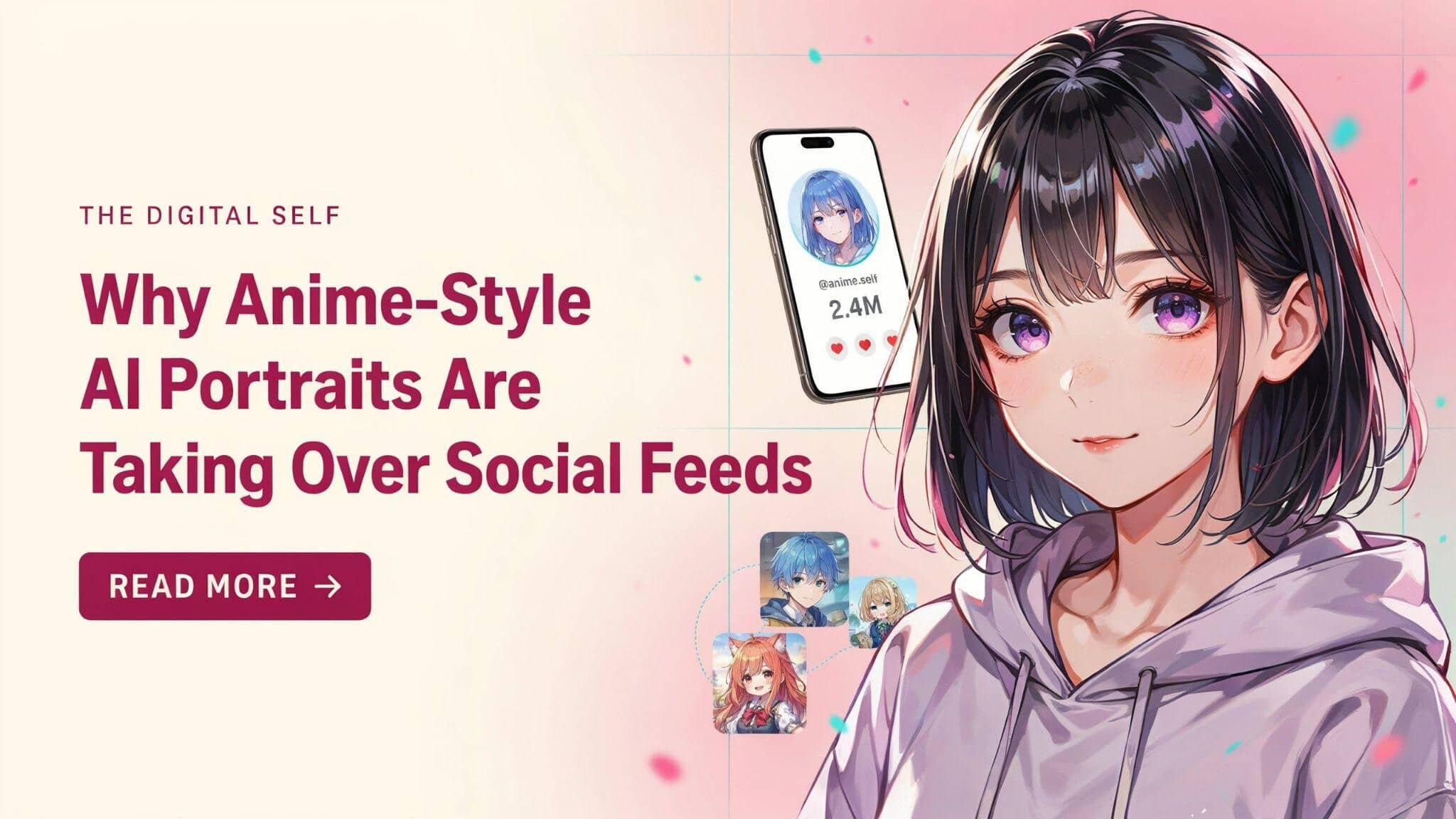
Social media has always been a place where people experiment with how they present themselves. From carefully edited photographs and illustrated profile pictures to short-form videos and digital avatars, users continually find new ways to express their personalities online. One visual trend gaining attention is the anime-style AI portrait. These images transform ordinary photographs into colourful illustrations inspired by the visual language of Japanese animation.
Anime-inspired portraits are appealing because they combine personal identity with an imaginative artistic style. A familiar face can become a character with expressive eyes, carefully styled hair, soft lighting, and a distinctive illustrated background. The result can look playful, cinematic, dramatic, or even dreamlike, depending on the visual direction.
- The Appeal of Anime-Style Portraits on Social Media
- How AI Is Making Anime Portrait Creation More Accessible
- Why Anime Aesthetics Work So Well in Digital Portraits
- Different Anime Portrait Styles People Can Explore
- Soft and Pastel Anime Portraits
- Fantasy-Inspired Character Portraits
- Modern Urban Anime Aesthetics
- Minimalist Anime Illustrations
- How to Create a More Personal AI Anime Portrait
- Start with a Suitable Reference Photograph
- Decide on the Intended Mood
- Experiment with Backgrounds and Colours
- Review Facial and Visual Details
- Where Anime-Style AI Portraits Can Be Used
- Understanding the Limitations of AI-Generated Portraits
- FAQs
- Why are anime-style AI portraits popular on social media?
- Do I need drawing skills to create an AI anime portrait?
- Can an AI anime portrait look like the original photograph?
- Can anime-style portraits be used as profile pictures?
- Are AI-generated anime portraits suitable for commercial projects?
- Conclusion
Artificial intelligence has made this kind of experimentation more accessible. Users no longer need advanced illustration skills to explore an anime-inspired appearance. Image-generation tools can help turn a photograph or creative description into a stylised portrait, making it easier to experiment with different visual ideas before sharing them online.
The Appeal of Anime-Style Portraits on Social Media
Anime has developed a broad international audience, influencing entertainment, fashion, gaming, illustration, and online culture. Its recognisable visual features make it particularly suitable for digital self-expression.
Unlike a conventional photograph, an anime-style portrait can communicate a mood through exaggerated expressions, colour choices, lighting, and background details. A simple selfie might become a cheerful character illustration, while another image could take on a mysterious fantasy atmosphere.
Several qualities explain why these portraits attract attention on social platforms:
- Distinctive appearance: Illustrated features can make a profile picture stand out among ordinary photographs.
- Creative freedom: Users can explore different hairstyles, clothing, settings, and colour combinations.
- Personal expression: An anime-inspired image can reflect a user’s interests, personality, or preferred aesthetic.
- Visual storytelling: Backgrounds and character details can suggest a setting or mood beyond what a standard selfie communicates.
- Easy experimentation: AI tools make it possible to test different artistic directions without starting an illustration from scratch.
These qualities make anime portraits useful for more than profile pictures. They can also become part of social posts, digital moodboards, creative projects, and online communities.
How AI Is Making Anime Portrait Creation More Accessible
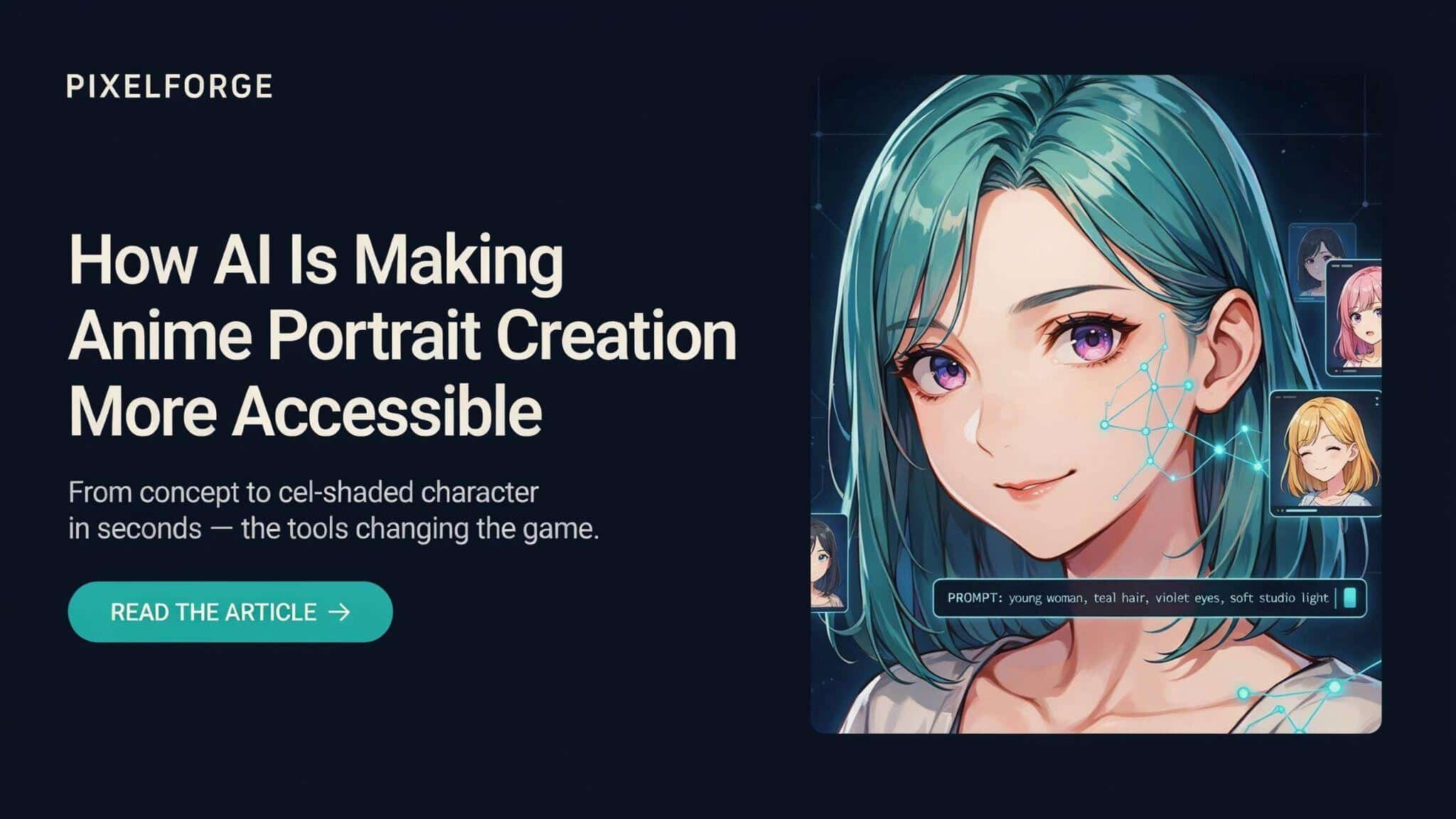
Traditional character illustration requires a combination of drawing ability, visual planning, colour knowledge, and patience. Creating a polished portrait can take considerable time, especially when the artist needs to work on facial proportions, clothing, lighting, and background details.
AI image-generation tools offer another approach. Depending on the platform, users may upload a photograph, provide a description, or select a visual direction to generate an illustrated result. The technology analyses visual information and produces an image based on the input and the selected style.
People interested in experimenting with this process can explore an ai anime generator as one of the available creative tools. It can be considered when testing anime-inspired portrait ideas without manually drawing every detail.
The appeal is not simply that an image can be generated quickly. It is also the opportunity to explore different creative directions. A user might compare a soft pastel illustration with a more dramatic fantasy-inspired portrait, or experiment with different visual moods before deciding which version best represents the intended personality.
However, generated portraits should still be reviewed. Facial details, hands, accessories, and background elements may not always appear exactly as expected. Human judgement remains important when selecting a final image.
Why Anime Aesthetics Work So Well in Digital Portraits
Anime-style artwork has a visual language that is immediately recognisable. Although different anime genres have their own approaches, many share expressive character designs, carefully considered colour palettes, and strong attention to mood.
These features translate naturally into social media content.
Expressive Facial Features
Anime characters often use facial expressions to communicate emotion clearly. Eye shape, eyebrow position, mouth details, and small changes in expression can make a character appear excited, thoughtful, surprised, or calm.
AI-generated portraits often draw on these visual conventions. A portrait may use larger, more expressive eyes or simplified facial details to create an illustrated appearance. The challenge is maintaining enough resemblance to the original person while adapting the image to an artistic style.
Colour and Atmosphere
Colour plays an important role in anime-inspired imagery. Soft pinks, blues, and lavender shades can create a gentle atmosphere, while deeper reds, purples, and dark tones may produce a more dramatic effect.
Lighting also contributes to the mood. Warm sunset colours can give a portrait a nostalgic appearance, while cool lighting may create a futuristic or mysterious setting.
When creating a portrait for social media, the colour palette should support the intended message rather than simply adding decoration.
Character-Inspired Backgrounds
A portrait does not need to focus entirely on the face. Background elements can make an illustration feel like part of a larger story.
Examples include:
- A peaceful city street with glowing signs
- A fantasy landscape with mountains and floating lights
- A cosy bedroom with soft decorative lighting
- A school-inspired setting with seasonal scenery
- A futuristic environment with neon details
The right background can help establish a visual identity, especially when the portrait is intended for a themed social media account.
Different Anime Portrait Styles People Can Explore
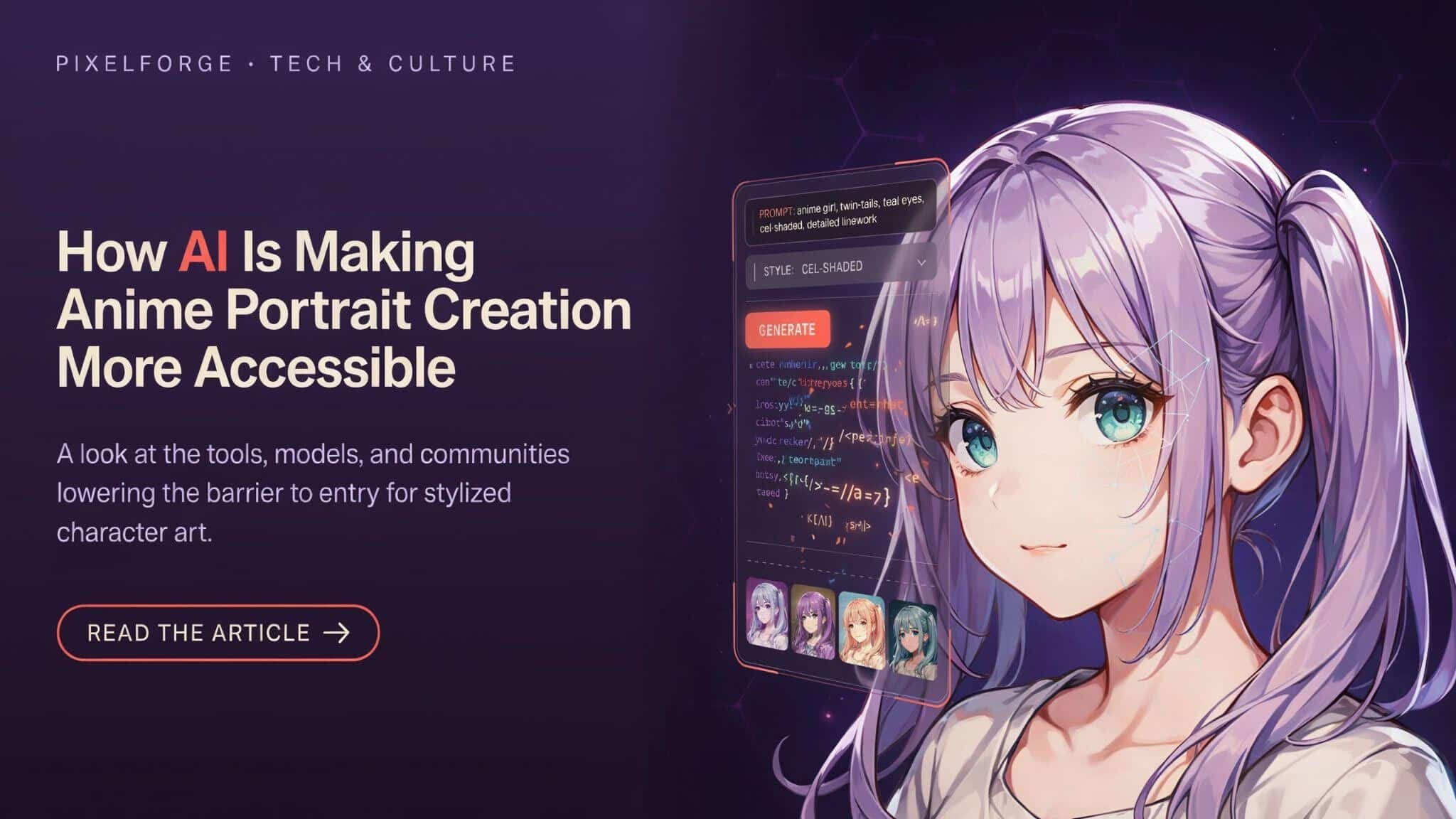
Anime is not a single visual style. It includes many artistic approaches, from simple and colourful character illustrations to detailed fantasy scenes. Exploring these variations can help users find an appearance that feels more personal.
Soft and Pastel Anime Portraits
Pastel portraits usually feature gentle colours, subtle shadows, and a relaxed atmosphere. They may work well for users who prefer a friendly, peaceful, or minimalist profile image.
Light pink, cream, pale blue, and lavender are common choices for this kind of visual direction. Simple backgrounds can help keep attention on the character.
Fantasy-Inspired Character Portraits
Fantasy-style portraits often include imaginative clothing, dramatic scenery, glowing effects, and unusual visual details. They can create the impression of a character from an adventure story.
This style may appeal to gaming communities, fantasy readers, and people who enjoy imaginative digital artwork. However, adding too many effects can make a portrait visually crowded, so balance is important.
Modern Urban Anime Aesthetics
Urban-inspired anime portraits may include city lights, contemporary fashion, headphones, streetwear, and modern architecture. This direction can feel energetic and suitable for social platforms where users want a more contemporary visual identity.
The background can contribute significantly to the overall appearance. A simple city setting may provide enough atmosphere without distracting from the main character.
Minimalist Anime Illustrations
Some users prefer a simpler portrait with limited background detail. Minimalist illustrations focus on the face, hairstyle, clothing, and a small number of carefully selected colours.
This approach can be particularly effective for profile images because the main subject remains recognisable even when displayed at a small size.
How to Create a More Personal AI Anime Portrait
A successful portrait is not necessarily the most complicated one. Often, a clear idea and a few thoughtful choices produce a stronger result than a long list of unrelated visual effects.
Start with a Suitable Reference Photograph
If the chosen tool supports photograph-based generation, begin with a clear image. Good lighting, a visible face, and an unobstructed view can help provide useful visual information.
Avoid photographs with excessive blur, strong shadows across the face, or distracting objects covering important features. The quality of the source image can influence the generated result.
Decide on the Intended Mood
Before generating an image, consider what the portrait should communicate. Should it look cheerful, elegant, adventurous, mysterious, or relaxed?
This decision can guide the colour palette, background, clothing, and facial expression. A consistent visual direction usually produces a more coherent result.
Experiment with Backgrounds and Colours
Try a few variations instead of accepting the first generated image. A neutral background may work well for a profile picture, while a more detailed setting might be suitable for a creative post.
Compare the results at the size they will appear on the intended platform. Details that look attractive on a large screen may become difficult to recognise in a small profile thumbnail.
Review Facial and Visual Details
AI-generated images can contain inconsistencies. Check the eyes, mouth, hairline, hands, clothing, and accessories. If the image is intended to represent a real person, pay particular attention to whether it still looks recognisable.
A visually attractive result should also feel appropriate for the person and the intended audience.
Where Anime-Style AI Portraits Can Be Used
Although social media profiles are an obvious use, anime-inspired portraits can support several other creative activities.
Profile pictures: An illustrated portrait can provide a distinctive alternative to a conventional photograph. It may be used on social networks, discussion communities, or gaming profiles.
Creative social posts: Users can build themed posts around seasonal colours, favourite genres, fictional settings, or personal interests.
Digital moodboards: Designers and illustrators may collect anime-inspired portraits as references for character concepts, colour combinations, and visual storytelling.
Personal projects: A generated portrait can become part of a digital journal, personal website concept, or private creative collection.
Community artwork: Online communities centred on animation, gaming, and illustration may use stylised portraits to explore shared interests and creative themes.
Before using an image publicly or commercially, users should review the relevant platform’s rules and the image tool’s terms. They should also consider consent when uploading photographs of other people.
Understanding the Limitations of AI-Generated Portraits
AI tools can make visual experimentation easier, but they do not guarantee a perfect result. The generated image may differ from the source photograph in ways that are important to the user.
Facial Similarity
Some transformations preserve the general appearance of a person but change smaller facial details. If resemblance matters, compare the result with the original photograph before publishing it.
Inconsistent Details
AI-generated images may contain unusual fingers, accessories, clothing patterns, or background objects. These details can be easy to overlook when concentrating on the overall style.
Style Differences
A requested anime aesthetic may produce a result that looks more like a general cartoon or digital painting. Users may need to experiment with different inputs or settings to get closer to the intended appearance.
Privacy and Image Permissions
Photographs can contain personal information. Before uploading an image, users should understand how the tool handles uploaded content and whether it may be stored or processed under particular conditions.
It is also important to avoid uploading someone else’s photograph without appropriate permission, especially when creating an image that could be mistaken for a genuine photograph or an authentic representation of that person.
FAQs
Why are anime-style AI portraits popular on social media?
They offer a creative way to present personal identity through illustration. Expressive features, distinctive colours, imaginative backgrounds, and recognisable anime aesthetics make these portraits visually engaging.
Do I need drawing skills to create an AI anime portrait?
No advanced drawing skills are necessarily required. AI-powered tools can generate stylised images from supported inputs, although reviewing and refining the result can improve its quality.
Can an AI anime portrait look like the original photograph?
It may preserve some recognisable facial features, but the level of similarity depends on the tool, source image, and selected style. Generated results should always be checked rather than assumed to be exact representations.
Can anime-style portraits be used as profile pictures?
Yes. They can be used as profile pictures where the relevant platform’s rules permit them. It is worth checking how the image looks at a small size before choosing it.
Are AI-generated anime portraits suitable for commercial projects?
That depends on the tool’s terms, the source photograph’s permissions, and the intended use. Users should review applicable usage rights before including generated images in commercial material.
Conclusion
Anime-style AI portraits are becoming an appealing part of social media because they combine personal expression with the creative possibilities of digital illustration. They allow users to explore different appearances, moods, and imaginative settings without needing to produce every artistic detail manually.
The technology is useful because it makes experimentation more accessible, but a good result still requires thoughtful choices. Selecting an appropriate reference image, defining a clear visual direction, reviewing generated details, and respecting image permissions all contribute to a better outcome.
As AI image tools continue to develop, anime-inspired portraits are likely to remain one of the ways people explore their digital identities. Their strongest value is not simply transforming a photograph, but giving users another creative way to tell a visual story about themselves.