


A budget Android handheld with two D-pads might seem like a design quirk — until you see what the MagicX One35 is designed to do. The device features a 3.5-inch IPS touchscreen, is pocket-sized, and, retailing for $79.90, can be rotated into portrait orientation for arcade “tate” shooters and Nintendo DS-style play, in which a second D-pad makes more sense than a second analog stick.
Two D-pads, one goal: play vertically with precision
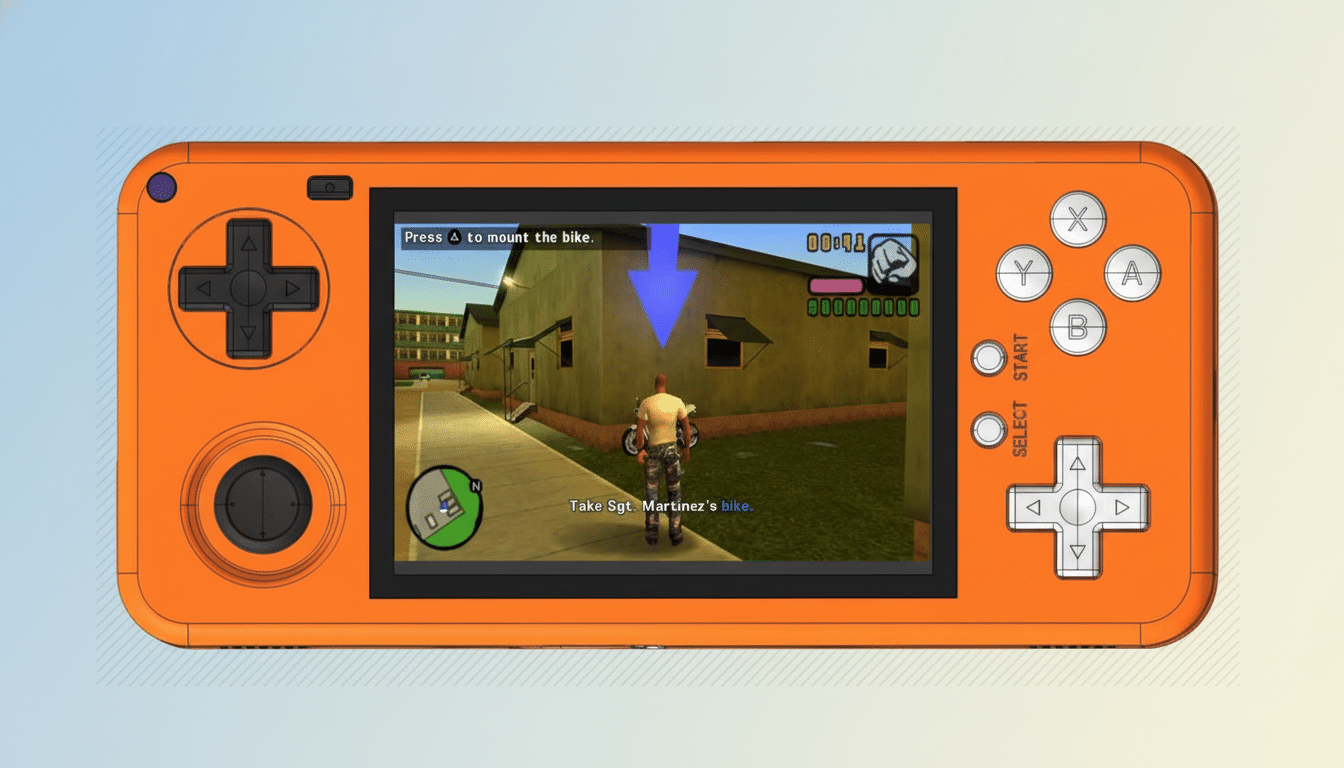
Instead of a standard right control stick, the One35 has a second D-pad underneath the face buttons. Flip the handheld 90 degrees and it all makes sense: with the lower D-pad positioned as your main movement control for vertical shooters, an otherwise awkward arrangement clicks into place in portrait mode. With little difference on either side and nothing on the back edge but input ports, even the start/select indicators are laid out sideways as a subtle acknowledgment of this intended orientation.
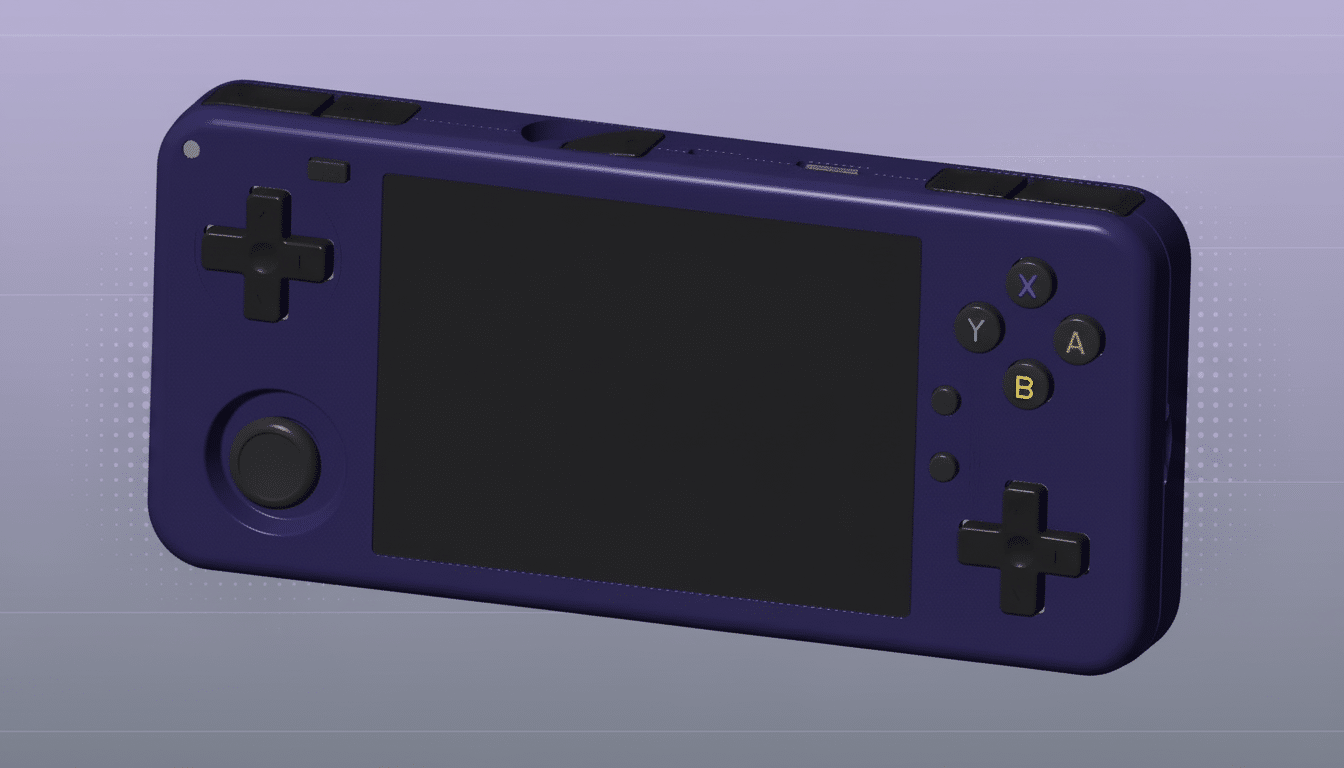
In the case of tate-mode arcade classics — think DoDonPachi, 1942, or Raiden — the digital controls are often preferable to sticks owing to their ability to provide precise cardinal inputs and less drift. The same concept applies to older console libraries made with D-pads instead of analog movement. The One35’s little shoulder buttons are also positioned directly under your fingers when holding the device vertically, serving as convenient “triggers” for Nintendo DS emulation where tapping or swapping screens matters, or when quick screen-swap actions are needed.
Yes, the dual D-pads are something of a compromise for modern twin-stick shooters and first-person games. But for the retro-gamer audience this handheld is aimed at, the setup puts precision and ergonomics exactly where you need them when it counts most.
Compatible hardware to run classic game libraries
The MagicX One35 is powered by MediaTek’s Helio G85 and 4GB LPDDR4X RAM. On paper, that puts it in a similar performance camp as the budget Android devices I wrote about before: comfortable with 8- and 16-bit consoles and handhelds, good for PlayStation and Nintendo 64, marginally effective on more demanding systems.
By and large, you should be fine running the majority of PS1 and N64 titles (such as these) on popular emulators like RetroArch (from the ever-incredible Libretro project, in case you weren’t already aware) or Mupen64Plus. Light GameCube and PS2 loads are doable if you’re willing to adjust settings and avoid heavy titles, but that’s not the device’s stated purpose. The G85’s efficiency should also keep thermals and power draw modest, a welcome victory for a compact chassis.
Android 12 with an emulation-centric home screen
The One35 comes with Android 12 and a custom version of the Dawn Launcher, which is made to show you your game library, maps, and per-core settings without any messy menus in between. That means you can install core apps like RetroArch, Dolphin Emulator, and other mainline tools from trusted teams instead of some no-name fork. We expect early units will be delivered quite preconfigured for emulation, so very little setup friction should exist for people getting started.
Portrait-friendly usability is the star. So are rotation locks, per-emulator control mappings, and the ability to quickly dip in and out of save states. The vertical layout with the touchscreen on the 3.5-inch panel seems spot-on with DS emulation, as that’s naturally vertical for titles that took full advantage of book-style play, and the extra D-pad/shoulder buttons grant you even more choices for navigation and general hotkeys.
The $80 question: and where it fits in a crowded field
Handhelds that cost south of $100 are suddenly everywhere, with models like the MANGMI AIR X and AYANEO Pocket AIR Mini turning out Android performance at entry-level sticker prices. Longtime favorites from Anbernic and Miyoo are still ahead in this form factor, but most of those run lightweight Linux firmware instead of Android. This is what makes the One35 stand out: it attempts to thread the needle between mainstream Android app support and a design specifically tailored for vertical play, which few competitors directly tackle.
The One35, at $79.90, is cheaper than a lot of its Android competitors, with niche, enthusiast-friendly controls. If your own library tilts heavily toward arcade shooters, 8-bit/16-bit consoles, and DS titles, then you’re slap bang in its demographic. If what you’re aiming for is twin-stick 3D action, or modern mobile games that expect that kind of analog movement, you’ll find the dual D-pad approach somewhat limiting and start to wish for a device with more traditional sticks.
Bottom line: a focused handheld for vertical-first play
The MagicX One35’s two D-pads aren’t a novelty; they’re an explicit, focused wager on vertical-first gaming and arcade libraries where digital precision reigns. All of that, combined with Android 12 onboard a customized launcher, makes it a pretty well-considered take on the 3.5-inch handheld formula — especially for those who spend as much time in tate mode as they do in landscape.