


Real estate investors are always searching for opportunities that offer strong value, long-term potential, and manageable entry costs. In recent years, many have begun looking beyond major cities and crowded suburban markets to explore affordable rural properties. Rising property prices in urban areas have encouraged both new and experienced investors to consider locations where their money can go further.
One state that continues to attract attention is Tennessee. Known for its scenic mountain landscapes, outdoor recreation, and growing tourism industry, Tennessee offers a combination of affordability and lifestyle appeal that is increasingly attractive to investors. Areas near the Great Smoky Mountains, in particular, have become popular among buyers looking for properties that can serve as personal retreats, investment assets, or future retirement options.
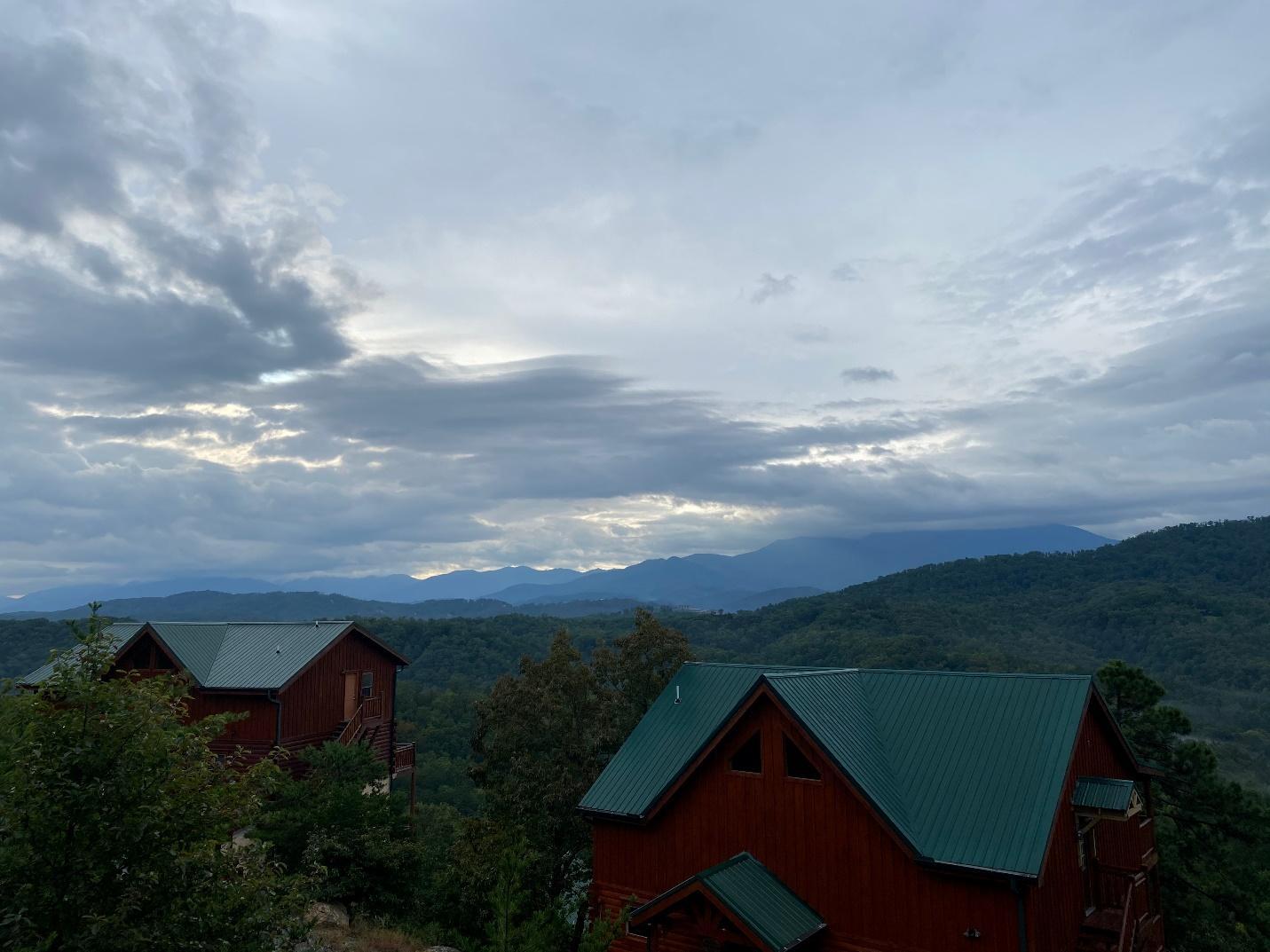
As more people embrace flexible work arrangements and seek peaceful environments away from crowded cities, rural real estate is gaining momentum. Investors are discovering that affordable properties in desirable locations can provide opportunities for rental income, long-term appreciation, and portfolio diversification without the high costs often associated with urban markets.
The Appeal of Affordable Entry Points in Rural Real Estate
One of the biggest reasons investors are paying closer attention to rural real estate is affordability. In many major cities, high property prices create significant barriers to entry. Investors may need substantial capital just to purchase a single property, limiting their ability to diversify their portfolios.
Rural markets often present a different picture. Lower purchase prices allow investors to enter the market with less upfront investment while maintaining greater flexibility for future acquisitions. This affordability can be especially appealing to first-time investors who want to gain experience without taking on excessive financial risk.
Tourism-focused rural destinations have become particularly attractive. Many investors are researching properties that combine affordable pricing with strong recreational appeal. For example, buyers exploring log cabins for sale in Tennessee under $100k are often seeking opportunities that provide a relatively accessible entry point into real estate ownership while benefiting from the state’s popularity among outdoor enthusiasts and vacation travelers.
Local Realty Group specializes in connecting buyers with Tennessee properties, including cabins and rural real estate opportunities in sought-after areas. Their property listings help prospective investors explore available options while gaining insight into local markets and investment potential.
The ability to purchase property at a lower cost creates opportunities for investors to allocate resources toward improvements, maintenance, or future acquisitions, making rural real estate an increasingly attractive option.
The Impact of Remote Work on Rural Property Demand
The rise of remote work has changed the way people think about where they live. In the past, many workers needed to remain close to major employment centers. Today, technology allows millions of professionals to work from almost anywhere with a reliable internet connection.
As a result, many individuals and families are moving away from densely populated cities in search of more space, privacy, and a better quality of life. Rural communities offer larger properties, scenic surroundings, and a slower pace of life that appeals to those seeking balance between work and personal well-being.
This shift has increased demand for rural housing in many regions. Investors who purchase properties in desirable locations may benefit from growing interest among renters, second-home buyers, and people looking to relocate permanently.
As remote work continues to evolve, demand for well-located rural properties is expected to remain strong, creating additional opportunities for real estate investors.
Vacation Rentals Are Expanding Beyond Traditional Tourist Hubs
Travel preferences have changed significantly over the last several years. Many travelers now prioritize unique experiences, natural settings, and opportunities to disconnect from busy routines.
This trend has contributed to increased interest in cabin properties located near mountains, hiking trails, lakes, and other outdoor attractions. Rural destinations often provide the type of environment many travelers are actively seeking.
Tennessee’s mountain regions are a prime example. Visitors are drawn to the area’s natural beauty, outdoor recreation opportunities, and year-round tourism activities. This consistent demand can create attractive rental opportunities for property owners.
Investors who purchase cabins in popular recreational areas may generate income through short-term rentals while also benefiting from potential property appreciation. The combination of personal enjoyment and investment potential makes these properties particularly appealing.
As tourism continues to evolve, rural destinations are becoming increasingly important parts of the travel landscape.
Lower Operating Costs Can Improve Investment Returns
Affordability extends beyond the initial purchase price. Many rural properties also come with lower ongoing ownership costs compared to properties in major metropolitan areas.
Property taxes, insurance costs, and general operating expenses may be more manageable depending on the location and property type. These lower costs can contribute to improved cash flow and stronger long-term investment performance.
For investors, controlling expenses is just as important as generating revenue. A property that requires lower ongoing costs may produce more favorable returns over time, especially when combined with consistent demand from renters or future buyers.
Of course, every property should be evaluated individually. Maintenance requirements, accessibility, and local market conditions all influence overall ownership costs. However, many investors find that rural properties offer a more affordable path to real estate ownership and income generation.
Lower costs can also provide greater flexibility when market conditions change, helping investors manage risk more effectively.
Diversification Benefits of Rural Real Estate Investments
Diversification is a key principle in any investment strategy. Relying entirely on one market or asset type can increase exposure to economic shifts and market fluctuations.
Rural real estate offers investors an opportunity to diversify beyond traditional urban properties. By adding rural assets to a portfolio, investors may benefit from different demand drivers, economic influences, and growth trends.
Another advantage is flexibility. Rural properties often serve multiple purposes. An investor may choose to generate rental income, hold the property for long-term appreciation, or use it personally while still maintaining its investment value.
This adaptability can be especially valuable during changing market conditions. Investors have the freedom to adjust their strategies based on evolving goals and opportunities.
By broadening their portfolios to include rural properties, investors can create a more balanced approach to real estate ownership.
Affordable rural properties are attracting growing attention from investors for good reason. Lower acquisition costs, increased demand driven by remote work, expanding tourism activity, and diversification opportunities all contribute to their appeal.
Locations such as Tennessee demonstrate how affordability and lifestyle appeal can work together to create compelling investment opportunities. Investors who explore rural markets often discover options that would be difficult to find in more expensive urban areas.
While careful research remains important, rural real estate offers a unique combination of accessibility, flexibility, and long-term potential. As more buyers look beyond traditional investment markets, affordable rural properties are likely to remain an important part of the real estate landscape for years to come.