


Whoop is doubling down on health by adding a new Advanced Labs feature that allows members to upload existing bloodwork and order fresh lab tests right through the app. The rollout comes as the company is under pressure from US regulators to rein in just how “medical” its wearables’ claims can be, further highlighting the murky distinction between wellness insights and clinically useful tools.
What Advanced Labs actually does and how it works
Advanced Labs will fund innovative biomarkers that work in the lab with 24/7 data Whoop already collects around sleep, strain, heart rate variability and recovery. The company presents this as a means to link behaviors—things like training load, nutrition and sleep hygiene—to objective biomarker shifts in order to paint a more comprehensive health picture.

Members can upload past bloodwork orders or schedule new tests through the app. Licensed clinicians review the results and provide context and personalized recommendations, and a Whoop AI coach in the app turns data into daily guidance, Whoop says. The company maintains data is encrypted and kept private, a key selling point as wearables increasingly touch on sensitive medical information.
Whoop files Advanced Labs among chronic disease risk, with early signs commonly appearing in biomarkers before symptoms do. The program now tests a wide panel — Whoop says there are 65 “critical biomarkers” it tests for — and blends that with “100,000+” daily data points its wearable uses to provide personalized feedback. In reality, that likely includes metabolic, inflammatory, lipid and hormone markers combined with sleep and training trends (although Whoop has not publicly disclosed the full panel).
Pricing, availability, and eligibility details
Advanced Labs is available as a subscription add-on, with three tiers of access to testing: one annual test for $199, two for $349 or four for $599. The service is available in the vast majority of US states, with a few exceptions, including Arizona, Hawaii, Wyoming, North Dakota and South Dakota; Whoop says testing can be conducted out-of-state in those locations. Those who attend testing should be 18 years or older and must not be pregnant.
For existing paying Whoop subscribers, the value proposition is consolidation: a single app to record behaviors, trend physiological signals (flash warning signs if your recovery and strain are pushing into dangerously far territory) and see how professional lab results move over time. Depending on whom you ask, the cost calculus will for some users be one of whether cash-pay testing through Whoop replaces or supplements labs ordered by a primary care provider that might be covered by insurance.
F.D.A. scrutiny and the wellness line for wearables
The rollout comes at a time of increased regulatory pressure. The US Food and Drug Administration made this clear earlier in the summer when it sent Whoop a warning letter over its Blood Pressure Insights feature, saying that the capability had not been authorized by the agency for any use, including measuring or estimating blood pressure. Whoop has maintained that its devices are wellness products, not medical devices, and the company said it continues to be in discussions with the F.D.A.
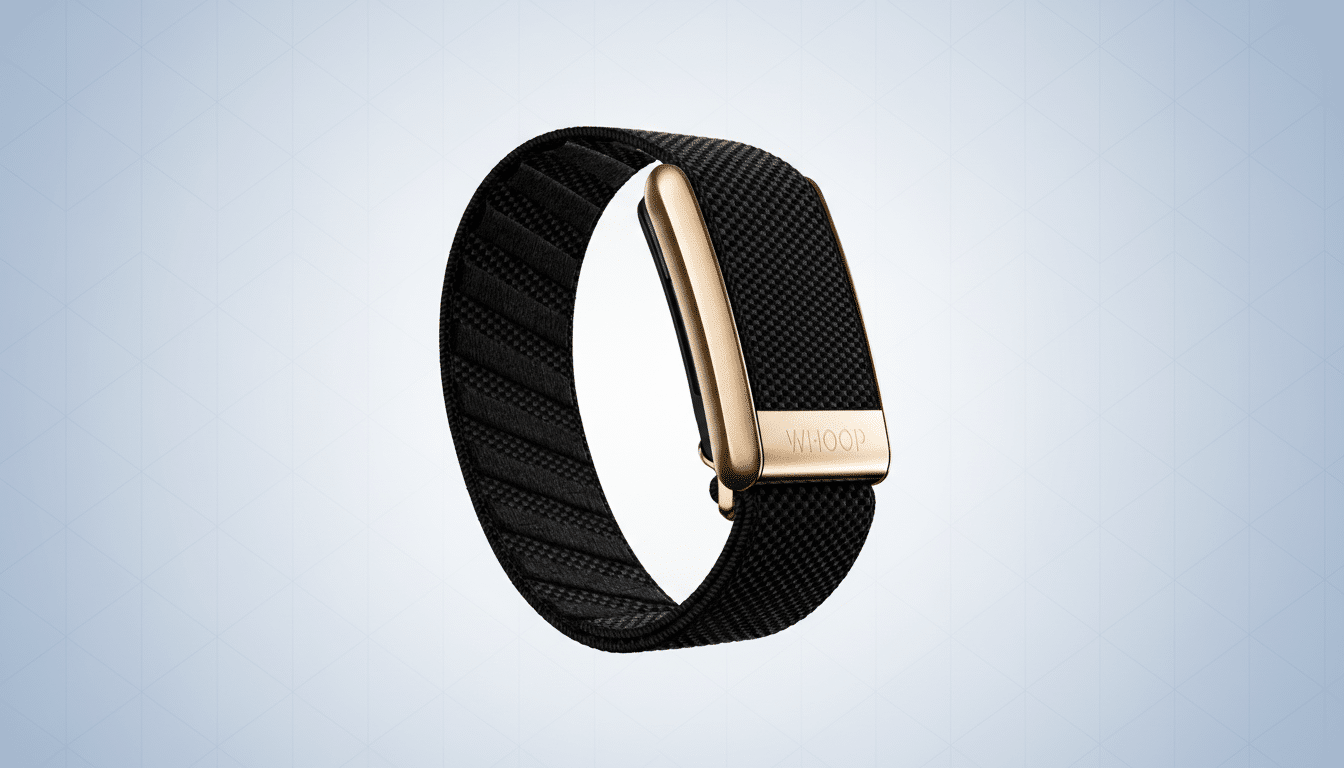
That friction hangs on a crucial distinction. Under the F.D.A.’s policy for general wellness, consumer devices can provide information on lifestyle and trends without clearance, as long as they do not diagnose or administer treatment to a disease. When a feature purports to measure any kind of clinical parameter, like blood pressure, regulators generally look for evidence and sign-off. That is why ECG on some smartwatches got F.D.A. clearance, but some features have to be positioned gingerly as “insights” rather than diagnostics.
This bumps up the ante to bring clinician-reviewed bloodwork into a consumer app. The combination itself does not make the wearable a medical device, but how results are interpreted and communicated matters. When guidance crosses the line to make a diagnosis or recommend treatment, it may also create regulatory obligations. Anticipate continued oversight by regulators, clinicians and competitors observing where the wellness–medical line gets drawn.
Why this new feature matters for Whoop users
For motivated athletes and health-conscious consumers, lab data may be useful context. Dear diary, like some sort of Fitbit for the self-aware, seeing LDL cholesterol trending alongside cardio load or tracking inflammatory markers against sleep debt could gently nudge better decisions. Public health data underscore the stakes: Six in 10 American adults have a chronic disease, the Centers for Disease Control and Prevention says, while almost half have high blood pressure, according to the American Heart Association. Early warnings and behavioral change can mean something — if the data are properly understood.
But just dishing up more data does not = better care. There are many reasons that biomarkers fluctuate, and single measurements rarely tell the whole tale. Peer-reviewed research has found variation in consumer sleep-staging and recovery metrics relative to clinical gold standards as well, which makes trend lines more important than any single night or one-off snapshot. Advanced Labs should be treated as an informational overlay and the service is not a substitute for a diagnostic clinician, medications or treatment.
The bottom line on Whoop’s Advanced Labs offering
Advanced Labs nudges Whoop toward a more clinical stance without quite becoming a medical device, betting that richer context will keep users engaged and help improve their outcomes. Whether regulators concur will depend on the language, validation and claims associated with features like blood pressure estimation and lab-driven coaching. In the meantime, it provides Whoop users with a fresh excuse to connect those day-to-day habits with more-impossible-to-ignore lab numbers — and moves the company directly into both sides of the ongoing wellness-to-medical debate shaping the next phase of wearables.