


Payment cards have become such a fundamental part of daily financial life that many companies seek opportunities to offer branded cards to their customers, employees, or community members. The challenge has traditionally been that launching a card program required enormous infrastructure, regulatory licensing, and technical expertise that put it out of reach for all but the largest financial institutions. White label card solutions change that equation by providing the underlying infrastructure while allowing companies to brand and customize the experience. Whether you’re a fintech building a new financial product, a business wanting to offer employee expense cards, or a platform creating value-added services for your users, white label card programs can open up new possibilities.
Launch your own branded cards
Creating your own card program used to require years of development and regulatory work. With the Satchel White Label Card solution, much of that complexity gets handled by the platform provider. You focus on the branding, customer experience, and business model, while the technical infrastructure, card production, and regulatory compliance are managed behind the scenes. This means you can go from concept to launched card program in months rather than years. Your cards carry your brand, your design, and connect to your systems, but they work everywhere cards are accepted. The scalability is built in, so whatever number of cards you’re issuing, the underlying infrastructure can handle it.
What’s included
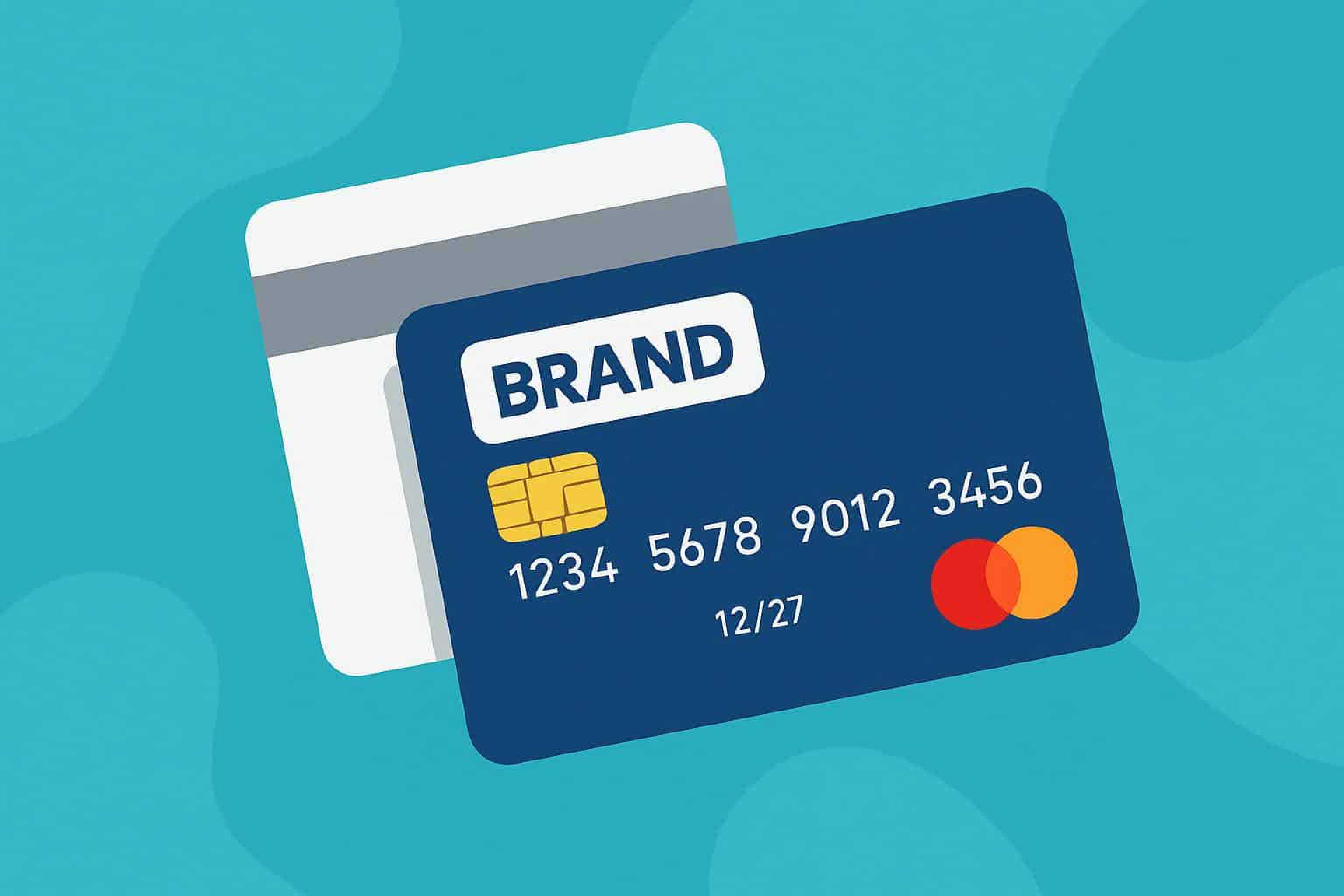
The Satchel White Label Card program includes several key components working together. Card issuing means you can create and distribute cards to your users, whether those are physical plastic cards or virtual cards for online use. BIN sponsorship provides the card number ranges that make your cards recognizable to payment networks, so they work at millions of merchants worldwide. Tokenization adds security by ensuring that sensitive card data is protected during transactions and storage. Support for both physical and virtual cards gives you flexibility in how you serve different use cases. Physical cards work for everyday spending, while virtual cards can be generated instantly and are perfect for online purchases or temporary access. The combination gives you options to serve various customer needs.
For fintechs & businesses
Fintech companies find white label cards valuable for building comprehensive financial products. If you’re creating a finance app, a spending management tool, or any financial service, being able to issue cards under your own brand completes the user experience. Businesses use white label cards for employee expense management, replacing traditional corporate cards or reimbursement processes with cards that carry company branding and come with appropriate controls. Platforms serving specific communities or industries can offer branded cards that reinforce identity and provide value-added services. The versatility means the same underlying solution can be adapted to quite different business models and customer needs.
Technical capabilities
Behind the scenes, white label card programs involve sophisticated technology to handle everything from card production to transaction processing. Real-time transaction data flows into your systems so you can provide up-to-the-moment information to cardholders. Controls and limits can be configured to match your business rules, whether that means spending caps, merchant restrictions, or geographic limitations. The technical infrastructure handles the complex parts of payment processing while exposing simple interfaces that let you focus on the customer experience and business logic rather than payment network intricacies.