


The Trump administration has once again delayed a set of proposed East Coast offshore wind leases totaling about 6 gigawatts, citing national security and radar interference with the Pentagon. The move comes less than two weeks after a federal court dealt an earlier attempt to check offshore wind development a major blow, injecting new uncertainty into some of the nation’s most advanced clean energy projects.
“The action is a necessary response to emerging threats and off-base challenges presented by large offshore arrays in high population areas, including major metros like New York City,” Interior Secretary Doug Burgum said in a statement. The Interior Department cited unclassified analysis and a recently completed classified assessment by the Pentagon in defending the action, and promised to consult with industry and agencies on how to mitigate any consequences.
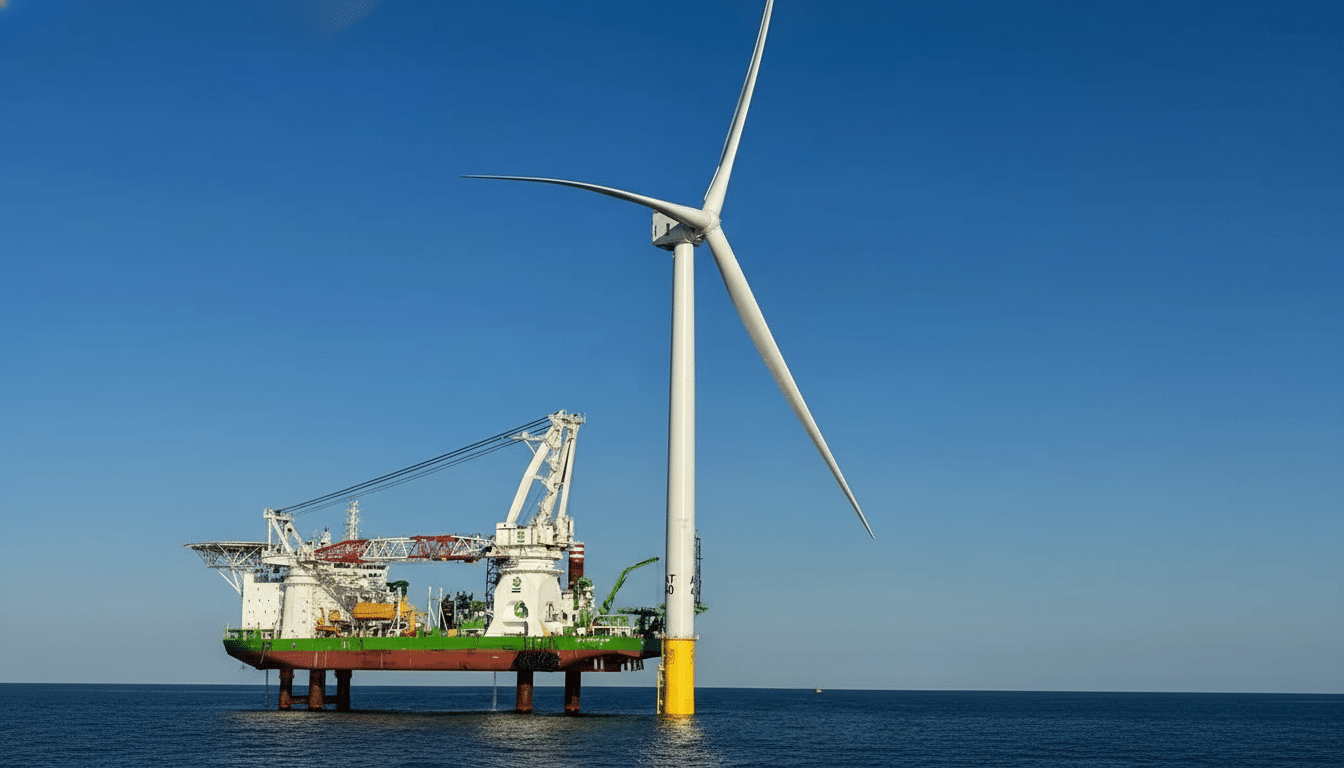
Leases Halted Over Radar Risks Along the East Coast
The delay in development will impact several high-profile projects: Revolution Wind, which is to serve Connecticut and Rhode Island; Coastal Virginia Offshore Wind; Massachusetts’s Vineyard Wind; and New York’s Empire Wind and Sunrise Wind. Combined, they represent a significant portion of the near-term pipeline for Atlantic offshore wind and feature prominently in state-level clean energy mandates and grid plans.
They are proceeding through permitting, supply chain buildout, and construction planning. Ports in New Bedford, Mass., and Brooklyn, as well as staging grounds in Virginia, have been retooled to manage nacelles, blades, and substations. Developers and utilities now are in a position of schedule risk, due to procurement and financing of onshore transmission workstreams that may slide as federal agencies reevaluate radar impacts.
Radar Interference Is Real but Manageable With Mitigation
Wind turbines can reflect and influence radar signals, generating clutter that makes it harder to detect and track—excessively so for littoral and maritime air surveillance. Researchers have been studying the phenomenon for more than a decade, working out a toolkit that includes siting strategies to keep turbines from being in a radar’s line of sight, upgrades in signal processing, gap-filler radars, and adaptive algorithms.
A 2024 report by the Department of Energy’s Wind Energy Technologies Office, which was developed with input from federal radar operators, said “no single mitigation inherently restores the original performance” of a radar installation, but paired mitigation measures and interagency collaboration have enabled missions to keep flying “without significant impacts,” helping facilitate large-scale wind deployment across the country. Project work from parties such as MIT Lincoln Laboratory, NREL, and the Department of Defense has developed techniques like Space-Time Adaptive Processing, which build up understanding of wind farm signatures and remove them.
For more context, consider Europe: there are tens of gigawatts’ worth of offshore wind turbines that operate alongside defense and civil aviation radars in a carefully coordinated combination of software filters, dedicated radar modifications, and site-specific layouts. U.S. agencies have taken similar paths on a project-by-project level via the Bureau of Ocean Energy Management’s consultations with the Department of Defense and FAA.
State Mandates and Grid Planning Are at Stake
New York, Massachusetts, Rhode Island, Connecticut, and Virginia also all have statutory offshore wind targets as a cornerstone of their decarbonization plans and capacity market projections. The halted projects were projected to create jobs for local manufacturing and port work, as well as those that will support the growth in load along the Eastern Seaboard, such as rapidly growing data center demand clusters.
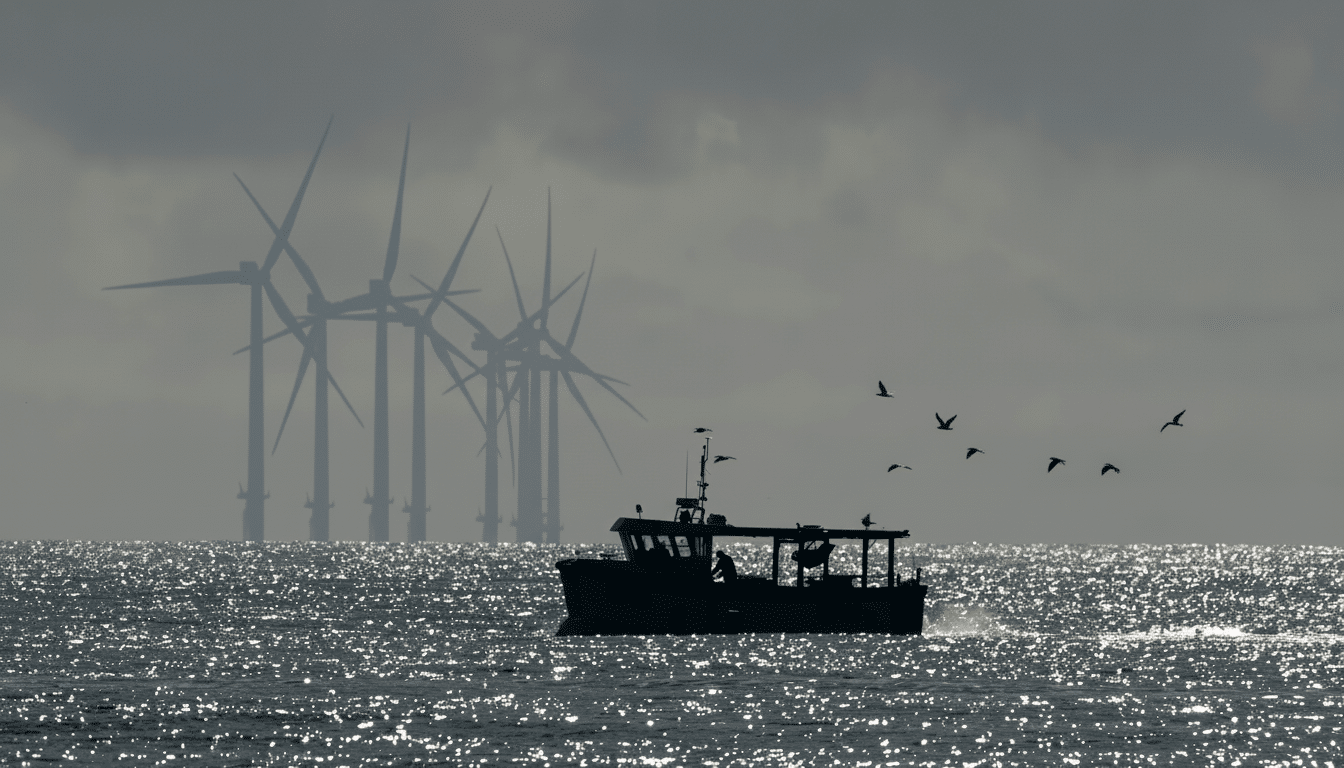
Delays ripple beyond turbines. You schedule the reinforcements years ahead for the transmission system, offshore substations, and cable corridors. Milestones and hearings are closely tied to procurement cycles, sunset runs for tax credit windows, and supplier contracts. Even a brief federal pause can throw off bid timetables and raise financing costs, especially after recent repricings in the offshore supply chain reflecting inflation and constraints on vessels.
A Legal and Policy Whiplash for Offshore Wind Leases
The pause comes after a court rejected a broader executive order to halt offshore wind development. The new action is based on a national security justification tailored to radar, moving the legal ground but not the practical result: developers are kept off the land while more review takes place. In the past, BOEM has resolved radar issues by working with defense and aviation agencies on specific mitigations and agreements at the time a lease is permitted, as opposed to issuing moratoriums for all projects.
Among the key questions: Will the administration insist that uniform mitigation be required throughout lease areas? Will it fund radar modernizations serving both security and commerce? Should case-by-case solutions be allowed, reflecting site geometry and proximity to radar assets? The absence of a detailed map — especially about the classified assessments he cited — has made it hard for states and developers to plan for near-term adjustments.
What to Watch Next for Offshore Wind Lease Decisions
Signals to watch in the weeks ahead include:
- BOEM’s schedule for technical workshops with the Department of Defense and project sponsors
- Any Interior guidance on what constitutes an acceptable mitigation package
- Whether states recalibrate procurement schedules to ensure grid reliability and cost control
If the review does land on known tools — better-optimized layouts, improved radar processing, and local infrastructure upgrades — the pause may be lifted with conditional-but-binding mitigation. If larger restrictions materialize, the East Coast offshore buildout could see multiyear delays, which would complicate state clean energy plans and regional capacity planning as electricity demand growth quickens.
The bottom line: Radar interference is an engineering challenge that can be fixed, but the policy track will determine whether solutions are deployed promptly or cause a roadblock to 6 GW of clean, near-term power.