


Diabetic foot ulcers can lead to severe complications if not treated promptly. Early intervention is essential to preventing long-term damage and infection. Recognizing the signs that require immediate medical attention is critical in managing this condition.
When searching for “early treatment for diabetic foot ulcers near me“, knowing when to seek professional care is crucial. Timely intervention can prevent complications and enhance recovery chances. This guide will help identify the signs that indicate when prompt care is necessary.
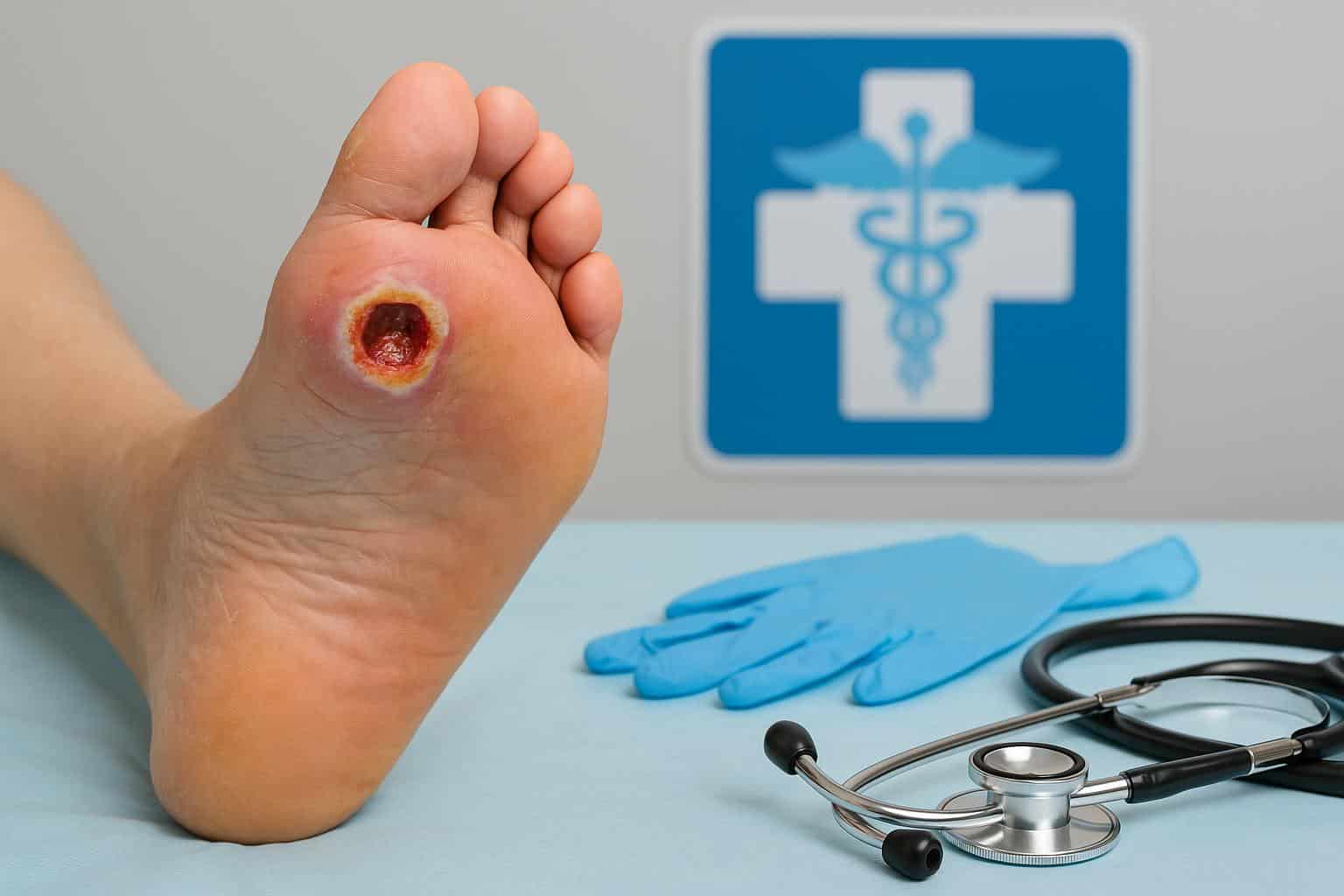
Visible Changes on the Foot
Diabetic foot ulcers often start with visible changes to the skin, such as redness or swelling. If these signs persist or worsen, it is important to seek medical attention promptly to prevent complications.
Redness and Swelling
Redness around the foot or swelling in the affected area are common symptoms of an ulcer. These changes usually signal inflammation due to injury or infection. If the symptoms persist or spread, prompt medical attention is essential to avoid complications.
Open Sores
Open sores are a clear sign that the skin has been compromised. Ulcers create breaks in the skin, increasing the risk of infection. It is essential to monitor any new or worsening sores to prevent further damage.
Pain and Sensation Alerts
Pain, tingling, or numbness in the foot is are sign that something may be wrong. Diabetic foot ulcers can cause these symptoms, requiring timely care to prevent complications.
Persistent Pain
Unrelenting pain in the foot signals that immediate attention may be required. If the pain does not subside or worsens, it could suggest an infection or nerve damage that needs prompt care.
Tingling or Numbness
Tingling or numbness are signs of neuropathy, often seen in individuals with diabetes. These symptoms suggest nerve damage, which can hinder ulcer healing. Seeking early care helps preserve nerve function and prevent further complications.
Drainage or Pus from the Ulcer
Drainage or pus from an ulcer is a clear sign of infection. A foul-smelling discharge typically indicates a bacterial infection within the wound. If left untreated, this can lead to serious complications, including the spread of infection. Seeking prompt medical intervention is crucial to control the infection, prevent further damage, and reduce the risk of more severe health issues. Immediate care is necessary to stop the infection from spreading.
Slow Healing or Worsening Wounds
If an ulcer does not heal or worsens over time, medical intervention is necessary. Wounds that fail to improve or increase in size may signal underlying health problems, such as poor circulation or infection. Delaying treatment can lead to more severe complications. Seeking professional care helps address these issues early, preventing the wound from escalating and reducing the risk of further damage to the foot.
Circulation Problems in the Foot
Circulation problems are common among individuals with diabetes and can hinder the healing of foot ulcers. Signs such as cold feet, pale or bluish skin, and delayed capillary refill may indicate poor blood flow. These symptoms can slow recovery and increase the risk of infection. It is essential to seek medical attention immediately to address circulation issues, restore proper blood flow, and improve the healing process of the foot ulcer.
Medical Evaluation and Treatment Options
Prompt medical care is essential when any of these signs appear. A healthcare provider will assess the ulcer and recommend the best course of treatment. This may involve debridement, antibiotics, or other interventions to promote healing and prevent further complications. Early attention can help prevent infections and improve the likelihood of a full recovery, ensuring better long-term foot health.
Choosing the right healthcare provider is crucial when dealing with diabetic foot ulcers. Finding “early treatment for diabetic foot ulcers near me” ensures timely care, which can reduce the risk of severe damage and promote faster healing. A reputable facility provides specialized treatment, improving healing outcomes and preventing long-term complications. Seek prompt care to protect foot health and ensure a full recovery.