


Cryptocurrency can be unpredictable, but understanding how timing affects performance helps investors make more informed decisions. Prices shift rapidly, and market cycles often involve patterns that repeat over time. Many investors monitor metrics, such as Bitcoin price fluctuations, to guide their choices, but successful decision-making requires more than watching a single number.
Evaluating trends, understanding market behavior, and developing clear strategies all contribute to improved outcomes. Knowing when to buy and when to sell helps investors act with confidence rather than reacting impulsively to short-term market fluctuations. With a thoughtful approach, it is easier to invest in cryptocurrency markets in a way that aligns with personal goals.
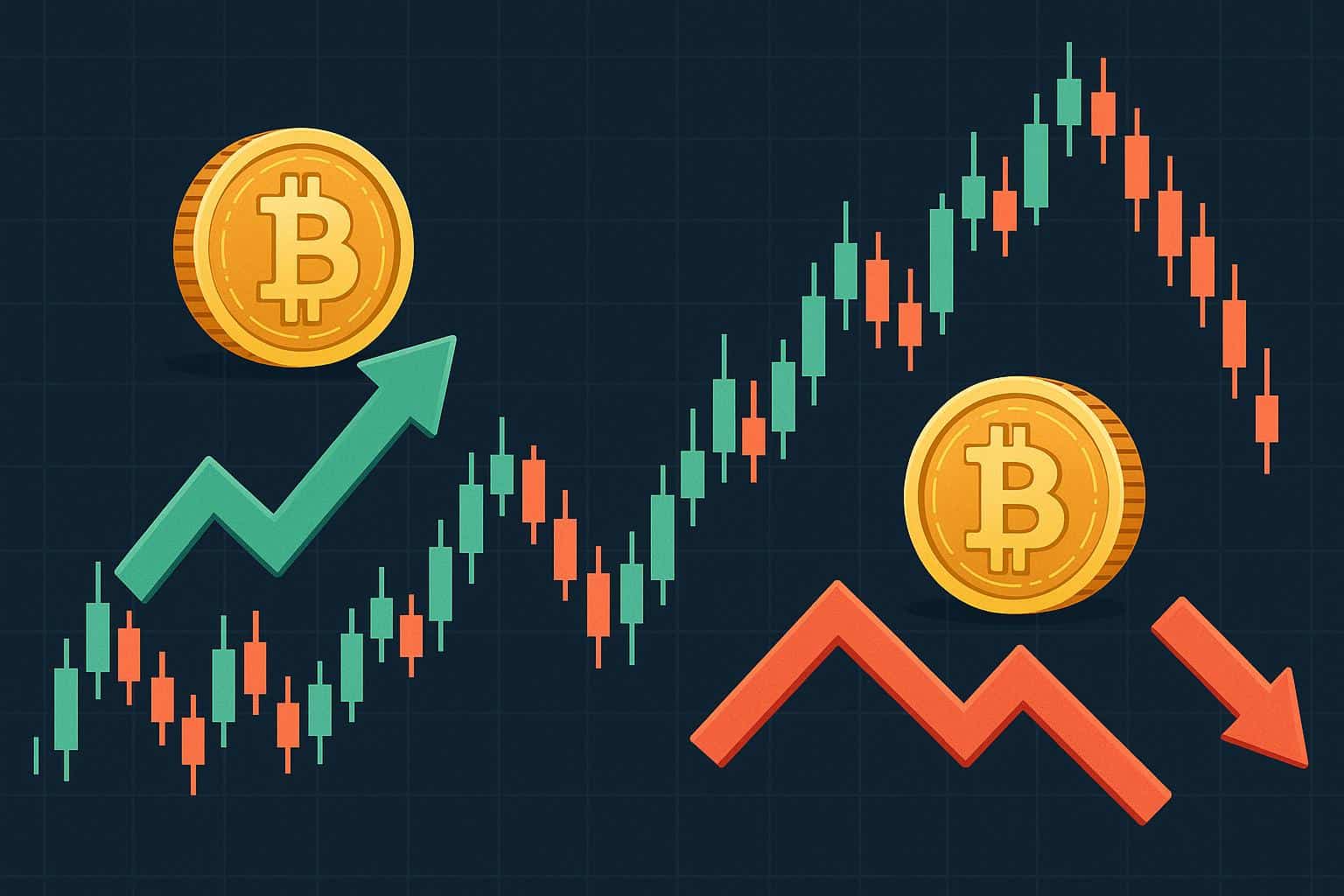
How Do Market Cycles and Patterns Work?
Cryptocurrency markets often follow cycles that resemble broader economic patterns. There are periods of rapid growth when investor confidence is high, and periods of decline when uncertainty prevails.
These cycles influence how prices behave and help guide decisions about entry and exit points. Recognizing where the market is within this cycle is an essential part of strategy. When enthusiasm rises and demand increases, prices tend to climb. When anxiety spreads and selling increases, prices may decline more quickly.
Many factors can influence market cycles. Regulatory updates, technological advancements, adoption trends, and shifts in global economic conditions all contribute to investor sentiment. Positive developments often lead to increased interest and higher prices.
Negative news or uncertainty may create hesitation that slows momentum. Tracking these influences helps investors understand whether a rising or falling trend is likely to continue. Without this context, decisions can be more reactive than strategic.
Historical patterns also provide insight. Although past performance cannot guarantee future results, cryptocurrency markets have consistently shown a tendency toward rapid growth followed by periods of correction. By studying these patterns, investors gain a clearer sense of what typical upward or downward movement looks like.
This preparation fosters a more structured mindset and supports decisions based on observation rather than emotion. Understanding cycles is a foundational step toward buying and selling cryptocurrency more effectively.
Which Indicators Influence Crypto Decisions?
Beyond general market cycles, specific indicators help investors assess whether it may be a good time to buy or sell, and trading volume is a significant one.
When volume increases significantly, it can signal strong interest and momentum. Higher volume often accompanies meaningful price changes, either upward or downward. Observing volume trends gives investors a better understanding of whether market movement is stable or likely to shift soon. Low volume may indicate hesitation or uncertainty, which can make buying or selling riskier.
Technical indicators provide additional context. Tools such as moving averages, support and resistance levels, and trend lines illustrate how prices behave over time. These indicators help identify whether a price increase is sustainable or whether a reversal may occur soon.
For example, when a price rises above a long-term moving average, it may indicate positive momentum. When it falls below key support levels, it may suggest weakness. These tools don’t predict outcomes with certainty, but they help investors form decisions based on structured analysis rather than guesswork.
When Does Selling Make Strategic Sense?
Selling cryptocurrency can be more challenging than buying, as it requires recognizing when gains have reached a comfortable level or when conditions suggest a potential decline. Strategic selling involves patience, planning, and a clear understanding of personal goals.
Some investors choose to sell portions of their holdings when prices reach predetermined targets. Others sell gradually during periods of strong upward momentum. These approaches help reduce emotional decision-making and create a more structured process.
Another reason to consider selling is risk management. When prices rise quickly, markets may become unstable. Taking profits during strong upward trends helps secure gains before potential corrections. Investors who wait too long during volatile periods may experience rapid price swings that reduce the value of their holdings. By establishing clear guidelines for selling, the decision becomes more about protecting long-term goals than reacting to short-term changes.
Selling is also important when personal financial priorities shift. Investors may choose to adjust their portfolios to align with new responsibilities, expenses, or goals. Cryptocurrency markets can be unpredictable, so reevaluating risk tolerance is an essential part of the process.
Selling at the right time allows investors to maintain stability and avoid unnecessary exposure. When combined with thoughtful analysis, these decisions help create a balanced and sustainable approach to cryptocurrency investing.
Timing With Intention
Effective cryptocurrency investing requires understanding the rhythm of market cycles, evaluating meaningful indicators, and making decisions that align with personal goals. Buying and selling at the right moments is easier when investors rely on research rather than impulse. A clear strategy supports confidence and reduces stress while trading in an unpredictable market.