


Your roof does a lot more than sit there looking respectable. It takes heat, rain, wind, debris, and the occasional surprise branch without much applause. When it starts failing, the damage can spread fast into insulation, drywall, and even your budget. If you’re trying to figure out whether you need repairs or a full replacement, getting clear on the signs, costs, and process can save you from making a very expensive guess.
How to Tell When Your Roof Is Near the End
A roof rarely fails all at once. It usually drops hints first. You might notice curled shingles, missing tabs, dark streaks, sagging areas, or granules collecting in your gutters like your roof is quietly shedding.
- How to Tell When Your Roof Is Near the End
- Why Waiting Too Long Can Get Expensive Fast
- What a Good Roof Replacement Company Actually Does
- Roofing Materials and What They Mean for You
- How Estimates, Pricing, and Hidden Costs Work
- What the Replacement Process Usually Looks Like
- How to Choose the Right Contractor Without Regretting It
Inside your home, warning signs can include water stains on ceilings, musty attic smells, or sudden jumps in energy bills. A roof that no longer seals properly can let moisture and hot air move in where they absolutely were not invited.
Age matters too. Many asphalt shingle roofs last about 20 to 30 years, depending on installation quality, weather exposure, and ventilation. If your roof is getting up there in age and repairs keep stacking up, replacement may be the more practical move.
A quick patch can help with isolated issues. Repeated trouble in multiple spots usually points to a bigger structural problem.
Why Waiting Too Long Can Get Expensive Fast
Putting off roof replacement can feel logical when the leak seems minor. The problem is that roofing issues rarely stay minor. Water travels. It can soak wood decking, weaken framing, damage insulation, stain walls, and create conditions where mold starts settling in like an unwanted long-term guest.
The repair bill often grows beyond the roof itself. You may end up paying for interior fixes, electrical work, or attic remediation on top of the eventual replacement.
There’s also the insurance angle. Some policies may help after storm damage, but delays can complicate claims if the insurer believes neglect made things worse. Documentation matters, and so does acting quickly.
A failing roof can even affect resale value. Buyers tend to notice old roofing right away, and inspectors definitely do. Few things kill buyer enthusiasm faster than the phrase “active moisture intrusion.”
What a Good Roof Replacement Company Actually Does
Not every contractor operates at the same level, and roofing is not a category where you want to roll the dice. A reliable Roof Replacement Company should inspect more than just the visible shingles. You want someone who evaluates decking, flashing, underlayment, ventilation, drainage patterns, and any signs of moisture intrusion.
A solid company should also explain your options clearly. That includes material choices, expected lifespan, workmanship details, warranty coverage, and a realistic project timeline. If the estimate is vague or suspiciously low, treat that as a warning, not a bargain.
You should also expect proof of licensing, insurance, and local experience. Roofing codes vary by region, and weather patterns matter. A roof built for one climate may perform poorly in another.
Good crews keep the worksite organized, protect landscaping, and clean up nails and debris. Professionalism counts long after the last shingle goes on.
Roofing Materials and What They Mean for You
Asphalt shingles are the most common choice because they’re affordable, widely available, and relatively easy to install. They work well for many homes, but they aren’t the only option.
Metal roofing lasts longer, resists fire, and sheds water efficiently. It often costs more upfront, though the long-term durability can make the math look better over time. Clay and concrete tiles offer excellent lifespan and curb appeal, but they’re heavier and may require structural reinforcement.
Wood shakes have a distinct look, though they need more maintenance and may not suit every climate or fire code. Synthetic products are also gaining popularity because they can mimic premium materials with less weight and upkeep.
Your choice should depend on more than style. Think about local weather, roof slope, maintenance tolerance, energy efficiency, and budget. The prettiest option on the sample board isn’t always the smartest one for your house.
How Estimates, Pricing, and Hidden Costs Work
Roof replacement costs can vary a lot, and square footage is only one piece of the puzzle. Price is also shaped by material type, roof pitch, tear-off complexity, accessibility, labor rates, and whether damaged decking needs replacement.
Flashing around chimneys, valleys, skylights, and vents can also affect the final number. So can permits, disposal fees, and upgrades to ventilation systems. In other words, the first quote you see should never be the only one you consider.
Ask for line-item estimates when possible. That helps you compare apples to apples instead of apples to “roof package with stuff included.” If one contractor is dramatically cheaper, find out what’s missing.
Financing may be available through some companies, which can help if the roof fails before your savings are ready. Just review terms carefully. Convenience is great. Surprise interest charges, less so.
What the Replacement Process Usually Looks Like
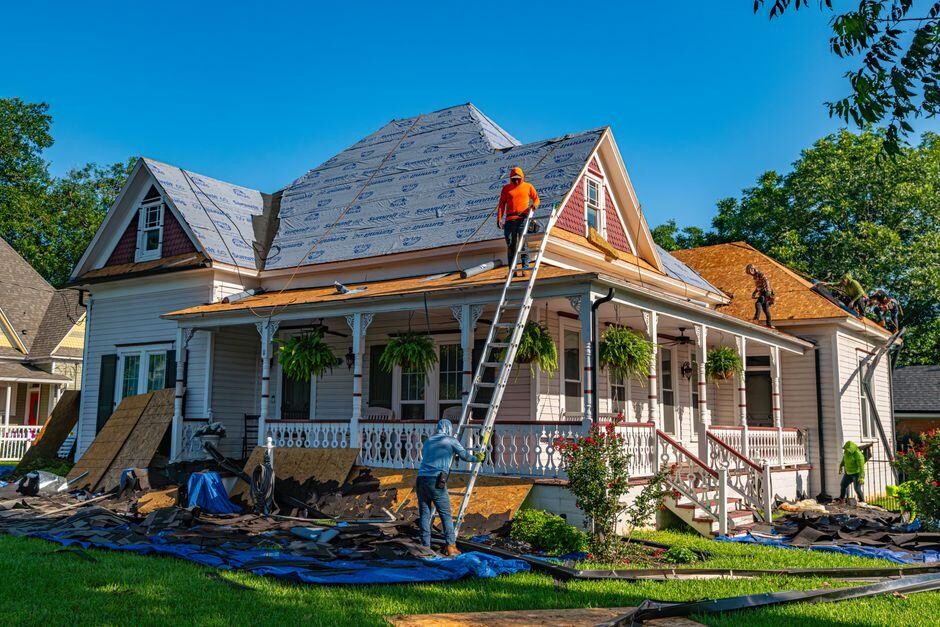
Once you approve the project, the contractor typically schedules material delivery and confirms a work date based on weather. On installation day, crews protect the property, remove old roofing, inspect the decking, and replace any compromised sections before laying underlayment and new materials.
This is where craftsmanship really matters. Proper flashing, nail placement, ventilation, and sealing details affect how your roof performs over the next couple of decades. A roof can look neat from the street and still be poorly installed underneath.
Most residential jobs take one to several days, depending on size and complexity. Bad weather can cause delays, so a little schedule flexibility helps.
After completion, you should get a final walkthrough, cleanup, and paperwork covering warranties and care instructions. Keep those documents somewhere safe. Future-you will appreciate the organizational miracle.
How to Choose the Right Contractor Without Regretting It
Start with reputation, but don’t stop there. Online reviews can reveal patterns, especially around communication, punctuality, cleanup, and warranty follow-through. You should also ask for recent local references and photos of completed jobs.
During consultations, pay attention to how the contractor communicates. Do they answer questions directly? Do they explain trade-offs without pushing one option too hard? A trustworthy roofer educates instead of steamrolling.
It’s smart to ask about crew training, subcontractors, project supervision, and what happens if unexpected damage is found during tear-off. Those details shape both the cost and the experience.
Never rely on verbal promises alone. Get the scope of work, materials, schedule, payment terms, and warranty details in writing.
A roof replacement is a major investment, but it’s also one of the most protective upgrades you can make. When you choose carefully, you’re not just buying shingles. You’re buying durability, safety, and fewer 2 a.m. storms spent wondering what that dripping sound means.