


An RV search becomes easier once practical limits are clear. Size, weight, sleep space, and travel habits shape the short list. Preparation can keep attractive features from distracting from daily needs. This guide explains what to decide before reviewing available units.
Start With the Type of Trip
Think about where the RV will go, trip length, and who will come along. An RV for sale should have a layout that supports real routines. Weekend campgrounds, long road trips, and remote sites place specific demands on a unit. A clear trip profile helps narrow the available choices.
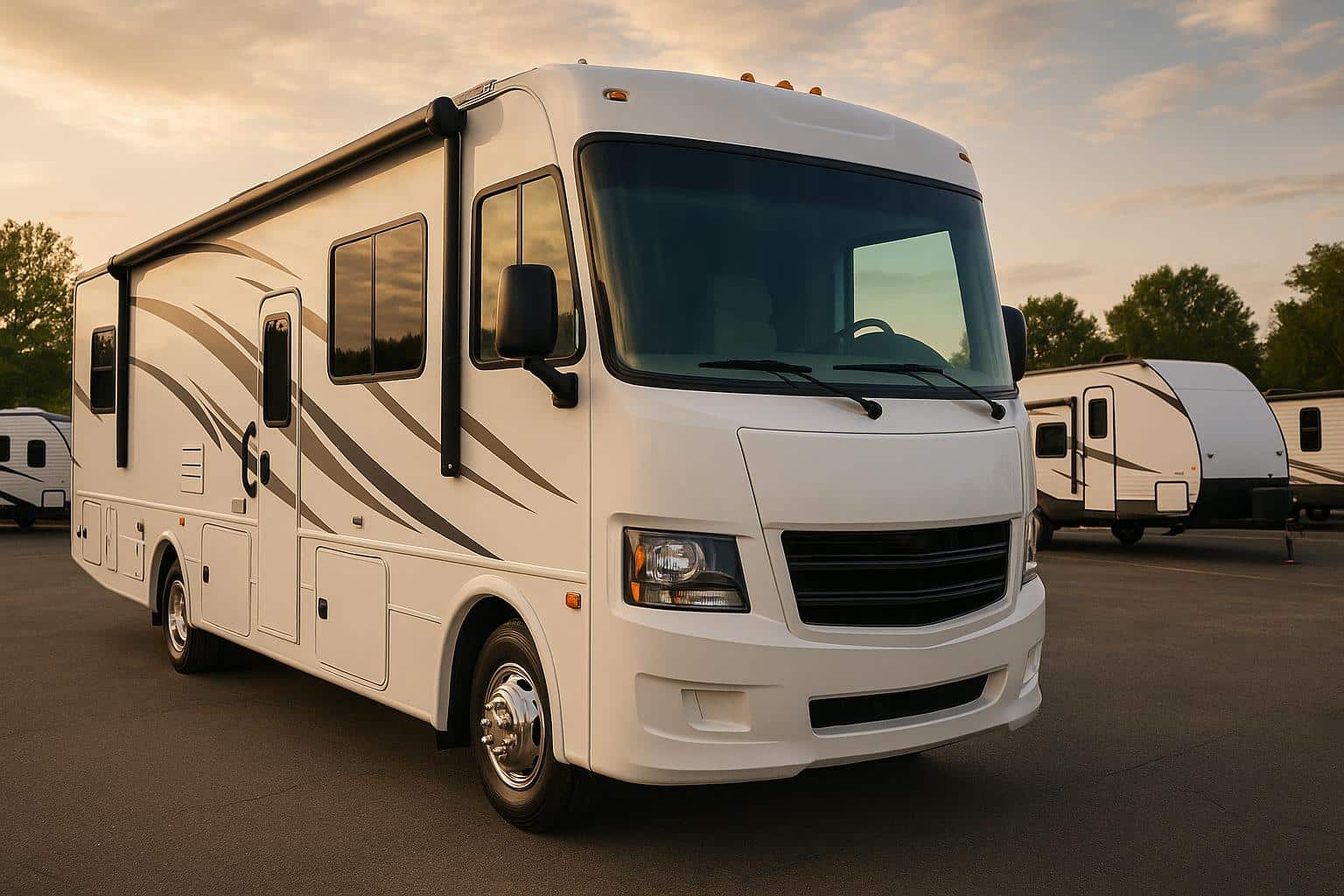
Travel trailers, fifth wheels, toy haulers, truck campers, and teardrops suit different travel plans. Search filters can sort units by type, condition, size, weight, and floor plan. Those filters can reduce a large list quickly. Start with function and review features within the right category.
Match Weight to the Tow Vehicle
Tow capacity includes several important figures. Payload, hitch weight, passengers, cargo, and gear all affect the safe limit. The vehicle manual and door label provide useful details. A tow guide may help confirm a suitable range.
Loaded trailer weight offers a practical reference for trip preparation. Dry weight excludes water, propane, batteries, food, and personal items. Each added item increases the total load. Proper weight planning may help improve control, balance, and braking.
Set a Full Ownership Budget
The purchase price forms one part of RV ownership. Taxes, insurance, storage, service, accessories, and campsite fees add to the total. A used model may need repair funds, and a new model may include higher initial costs. Set monthly and annual limits before reviewing listings.
Costs Worth Adding to the Plan
Include these items in the estimate:
- A hitch, brake controller, and tow mirrors
- Roof, seal, tire, and appliance checks
- Storage fees when home parking is unavailable
- Fuel for travel and local trips
A payment estimate helps with early planning. Rates, terms, taxes, and fees can affect the monthly figure. Leave room for repairs and seasonal service. A realistic budget keeps the search tied to long-term use.
Test the Floor Plan Against Real Life
A floor plan should work with each bed, slide, and door in use. Check access to the bathroom, kitchen, and sleep areas. Some layouts block key spaces when slides remain closed. That detail matters at road stops and compact campsites.
Count the actual beds and review their size. A dinette bed may suit a child and feel limited for an adult. Storage, counter space, bathroom size, and seat comfort deserve attention. An RV for sale should support daily habits after the first few trips.
Review Condition and Key Records
New and used units require a detailed inspection. Check seals, appliances, fixtures, tires, flooring, and major systems. Water damage, roof wear, and prior repairs deserve close attention. Photos provide a starting point for the review.
Ask for service records, warranty details, and the unit identification number. Test lights, water systems, climate controls, outlets, doors, and safety devices. Look for soft floors, stains, odors, cracked seals, or uneven tire wear. An independent inspection may help reveal issues before purchase.
Frequently Asked Questions
What details should I compare in an RV listing?
Check the RV type, floor plan, length, weight, sleep capacity, and condition. Price, slide count, storage, and bathroom access also deserve review.
How do I know if an RV matches my tow vehicle?
Review the vehicle’s tow capacity, payload limit, and hitch rating. Compare those figures with the RV’s loaded weight, including water, propane, supplies, and personal items.
Should I inspect an RV before purchase?
Yes, an inspection may help reveal water damage, worn seals, tire issues, or appliance faults. Test the major systems and review available service or warranty records.
Good RV choices begin with a clear plan. Trip style, tow limits, total cost, floor plan, and condition form a useful checklist. These points turn a broad search into a focused review. The final short list should reflect practical use, storage needs, and a realistic budget.