


If you’ve come across 7OH tablets while browsing products online or in a store, you probably have questions. What are they? What’s actually inside them? And how do you tell a responsible brand from one cutting corners?
This article walks you through the basics. You’ll learn what 7OH tablets are, the most common questions consumers ask, what to look for on a product label, and why ingredient transparency should matter to you. This is the first article in a three-part series focused on helping you make informed, confident decisions. We’ll keep things clear, neutral, and free of hype.
- What Are 7OH Tablets?
- Common Consumer Questions About 7OH Tablets
- “What’s the difference between 7OH and regular kratom products?”
- “How do I know what’s actually in the tablet?”
- “Are all brands the same?”
- “Is this regulated?”
- How to Read a 7OH Tablet Label
- Why Ingredient Transparency Matters
- Putting It All Together
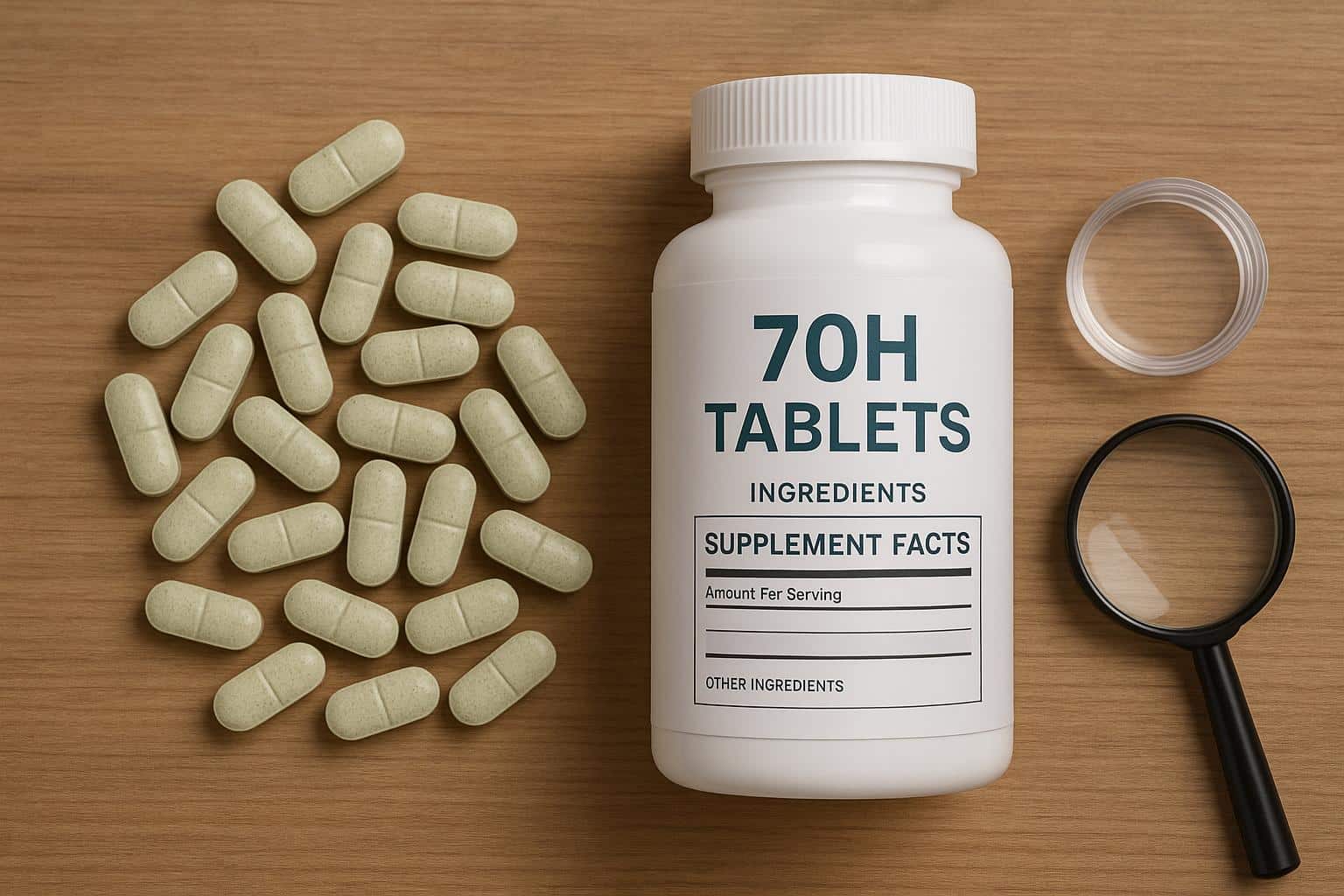
Throughout, we’ll also explain how Bars approaches this space as a transparency-focused brand. Let’s get started.
What Are 7OH Tablets?
“7OH” is shorthand for 7-hydroxymitragynine, a compound that naturally occurs in the kratom plant (Mitragyna speciosa). 7OH tablets are products formulated around this compound, usually pressed into a tablet form for consistent, measurable serving sizes.
The category is relatively new compared to traditional kratom powders and extracts. Because it’s newer, standards across brands can vary widely. Some companies provide detailed information about what’s in each tablet. Others share very little.
That gap is exactly why label transparency matters so much in this category. When products look similar on the shelf, the details on the label become your best tool for telling them apart.
It’s worth noting upfront: this article does not make health or efficacy claims. We’re not here to tell you what 7OH tablets do or don’t do for your body. Instead, we focus on helping you understand the product, read the label, and ask better questions.
Common Consumer Questions About 7OH Tablets
When people first encounter 7OH tablets, a few questions tend to come up again and again. Here are the ones we hear most often.
“What’s the difference between 7OH and regular kratom products?”
Traditional kratom products often contain the whole leaf or a broad extract. 7OH tablets are formulated with a focus on the specific 7-hydroxymitragynine compound. The form factor also differs: tablets aim to deliver a consistent amount per serving, while loose powders can be harder to measure.
“How do I know what’s actually in the tablet?”
This is the most important question of all, and the answer comes down to the label and supporting documentation. A responsible brand will tell you the contents clearly. We’ll cover exactly what to look for in the next section.
“Are all brands the same?”
No. Manufacturing standards, ingredient sourcing, testing practices, and labeling honesty differ from company to company. Two tablets that look identical can be made very differently behind the scenes.
“Is this regulated?”
Regulations around 7OH and kratom-derived products vary by location and continue to evolve. Rules can differ from one state or country to the next. Always check the current regulations where you live, and choose brands that openly acknowledge the regulatory landscape rather than ignoring it.
You might be thinking these questions sound basic. They are, and that’s the point. Clear answers to simple questions are a strong signal that a brand respects its customers.
How to Read a 7OH Tablet Label
A product label is more than fine print. It’s a record of what a company is willing to put in writing. Here’s a practical checklist you can use the next time you evaluate a product.
- Ingredient list: Look for a complete list, not a vague phrase like “proprietary blend.” You should be able to see what’s in the tablet.
- Amount per serving: A trustworthy label states how much 7-hydroxymitragynine is in each tablet, along with the serving size.
- Batch or lot number: This connects the specific product you’re holding to a production run, which supports traceability and testing.
- Manufacturer information: Look for a clear company name and contact details. Anonymous products are a red flag.
- Testing references: Many responsible brands point to third-party lab testing, often through a QR code, a website link, or a Certificate of Analysis (COA).
- Warnings and usage notes: Honest labels include clear cautions and don’t oversell.
Do this: Choose products that name every ingredient and the amount per serving.
Not this: Avoid products that hide behind blends, skip serving amounts, or list no manufacturer at all.
If a label leaves you guessing, treat that uncertainty as useful information. A brand that won’t tell you what’s inside isn’t earning your trust.
Why Ingredient Transparency Matters
Transparency isn’t just a nice-to-have. It’s the foundation of an informed decision.
When you can see exactly what’s in a product and how much, you can compare options fairly. You can also keep records, ask better questions, and make choices that fit your own situation. Without that information, you’re essentially guessing.
Transparency also reflects how a company sees its customers. Brands that share detailed labels, batch numbers, and testing results are inviting scrutiny. That openness signals confidence in their process.
This is where Bars positions itself differently. As a transparency-focused brand, Bars centers its approach on clear labeling, honest marketing, and consumer education. That means listing ingredients plainly, stating amounts per serving, and avoiding the kind of exaggerated promises that cloud this category. The goal isn’t to tell you what to think. It’s to give you the information you need to decide for yourself.
Responsible marketing matters just as much as responsible labeling. You won’t find Bars making sweeping claims about outcomes. Instead, the focus stays on facts, clarity, and respect for your ability to choose. If you want 7OH you can trust, make sure to order directly from the Bars website here: https://getbars.co/collections/7oh-tablets
Putting It All Together
Let’s recap the key points. 7OH tablets are products built around 7-hydroxymitragynine, a compound found in the kratom plant. The category is new, so standards vary, which makes label transparency your most reliable guide. Common questions usually circle back to one thing: knowing what’s actually in the product.
Your next step is simple. The next time you look at a 7OH tablet, run it through the label checklist above. Check the ingredient list, the amount per serving, the batch number, the manufacturer details, and any testing references. Let those details, not flashy claims, guide your decision.
In the next article in this series, we’ll go deeper into how to evaluate 7OH tablet brands, including purity, testing, and packaging standards. For now, keep the checklist handy and stay curious. An informed consumer is always the strongest one.