


Selecting an assisted living facility usually starts with practical needs, yet true quality shows up in the everyday care. Families may compare costs, addresses, and floor plans first, though those factors rarely predict daily life. Strong communities support mobility, nutrition, privacy, and meaningful activity without stripping away choice. Reliable standards matter because older adults do best where help arrives on time, routines feel steady, and each resident gets treated with patience, respect, and clinical awareness.
Daily Signs
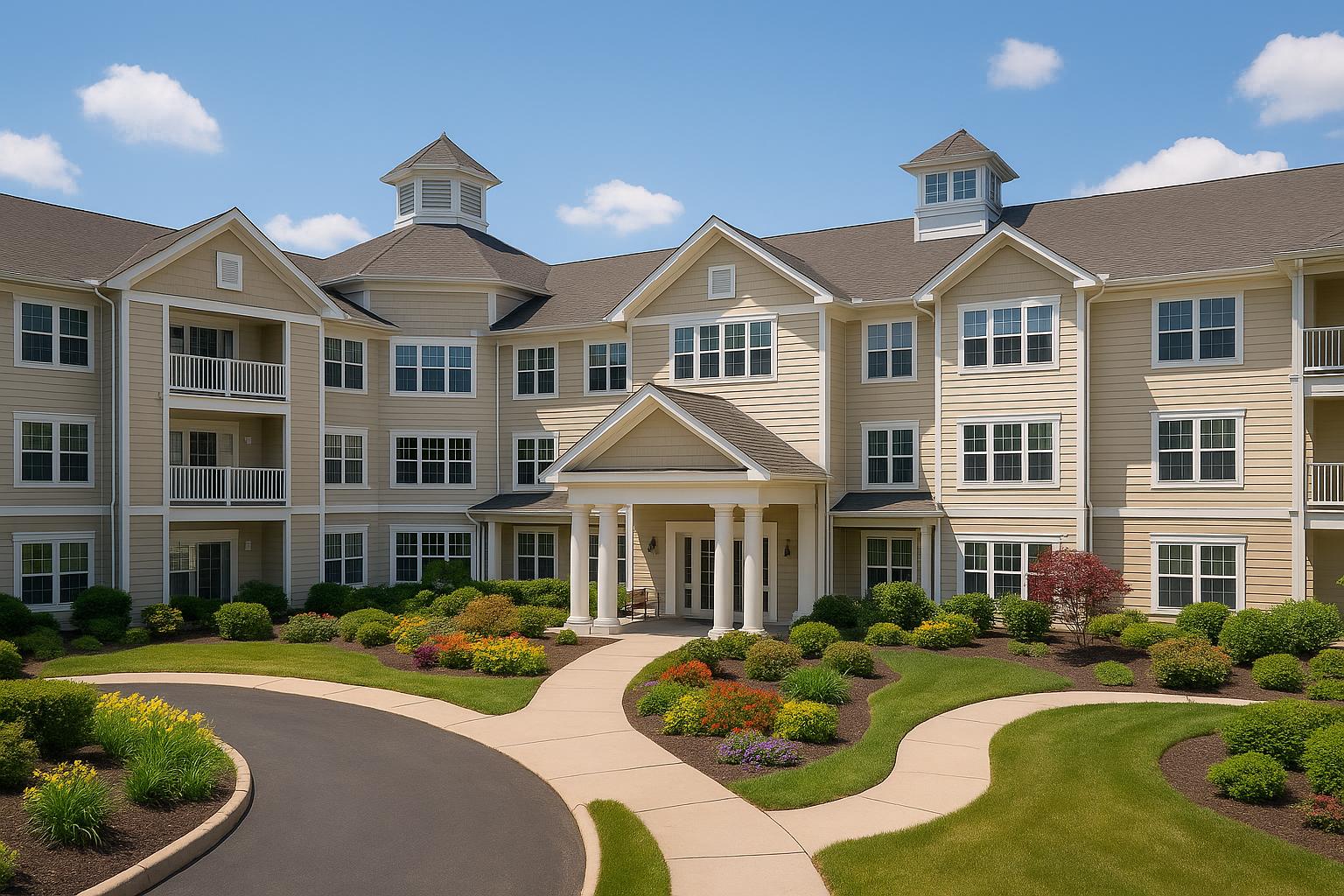
Early impressions help, but closer observation tells far more. In settings such as assisted living in North Ogden, families can review meal service, posted activities, hallway safety, transportation access, and call response methods. Those visible details indicate whether a residence protects independence while still offering personal assistance, social contact, and steady reassurance for residents and those who care about them.
Help That Fits
Effective support begins with an accurate assessment, then changes as strength, balance, memory, or endurance shifts. One resident may need cueing with medication, while another requires hands-on bathing assistance. Impactful teams adjust without making the person feel managed. That approach protects dignity and lowers frustration, which can reduce withdrawal, agitation, and avoidable decline in everyday function.
Safety That Shows
Response Systems
Safety should be obvious before a crisis occurs. Clear walkways, grab bars, even lighting, and accessible showers help lower fall risk every day. Fast response matters too, since delayed assistance can worsen injury after a sudden event. During a visit, families should ask about overnight staffing, evacuation plans, backup power, and the way they document and review incidents.
Meals With Purpose
Food affects strength, hydration, mood, and recovery. Balanced meals with adequate protein may support muscle maintenance, while familiar flavors can improve intake for residents with poor appetite. Dining also serves as a quiet health check. Staff often notice chewing difficulties, fluid avoidance, weight loss, or unusual fatigue during regular meals, allowing earlier attention before problems worsen.
A Social Rhythm
Isolation can weaken mood, sleep, and cognition, so daily programming deserves careful review. Useful calendars include movement classes, quiet hobbies, small group conversation, music, and local outings. Range matters more than volume. Residents benefit when options match different stamina levels, sensory needs, and attention spans, rather than pushing everyone into the same repetitive pattern each week.
Health Access
Strong communities make routine medical care easier to maintain. Scheduled transportation, medication oversight, and prompt observation can help reduce missed appointments or dosing errors. Families should ask who tracks changes in sleep, gait, appetite, pain, or confusion. Early recognition often leads to faster treatment, which may limit hospital transfers and help preserve steadier day-to-day functioning.
Private Space
A resident’s apartment should support comfort, orientation, and safe movement. Natural light, secure entry, reachable storage, and a practical bathroom layout can make daily tasks less tiring. Floor plans matter as much as finishes. Open pathways reduce tripping hazards, while familiar furniture, photos, and personal keepsakes help maintain identity, memory cues, and a stronger sense of control.
Staff Culture
Trust grows from people, rather than buildings. Respectful caregivers learn preferences, greet residents by name, and notice subtle changes in posture, appetite, mood, or skin color. Families should ask about training, turnover, and overnight coverage during a tour. Stable staffing often leads to better observation, more consistent routines, and stronger emotional security for older adults receiving support.
Family Communication
Impactful care includes the relatives and friends who stay involved. Clear updates help families understand service changes, health concerns, and routine patterns without confusion. That transparency matters during urgent moments, but it also helps on ordinary days. Regular communication can reduce decision fatigue, support shared planning, and keep loved ones informed rather than distanced from important changes.
Value Over Price
The monthly cost deserves close review, but price alone says little about overall value. Families should compare what the facility includes, such as meals, housekeeping, laundry, outings, medication help, and emergency response. Extra fees can quickly change a budget. A higher rate may be reasonable when it covers broader support, fewer outside services, and more dependable day-to-day stability.
Conclusion
A high-quality assisted living community stands out through repeated acts of competent, respectful care. Safe design, nourishing meals, responsive staff, and steady communication shape health more than glossy brochures ever can. Families learn the most by observing routines, asking direct questions, and noticing how staff treat residents in everyday moments. When those signs point to patience, readiness, and sound judgment, the setting is far more likely to support comfort, dignity, connection, and physical well-being.