


MDCK permeability assay is used in drug discovery to estimate how easily a compound crosses biological barriers, especially epithelial cell layers that model intestinal absorption and transporter activity. Researchers rely on this in vitro method during ADME studies to understand whether a molecule is likely to be absorbed after oral dosing, limited by poor membrane passage, or affected by active transport systems. Because the assay is fast, scalable, and reproducible, it helps teams compare many compounds early, before moving into more costly animal or clinical work. MDCK cell monolayers also support directional transport studies, which makes the assay useful for identifying efflux-related issues that can reduce exposure. In practice, it helps scientists rank compounds, guide medicinal chemistry, and reduce late-stage development risk.
Understanding the Role of MDCK Permeability Assay in ADME Research
What MDCK Cells Reveal About Drug Permeability and Absorption
MDCK cells form tight, polarized monolayers that allow scientists to measure compound movement from one side of the membrane to the other. This setup provides a practical model for studying apparent permeability and estimating whether a drug candidate can cross epithelial barriers efficiently. In ADME research, the assay reveals how lipophilicity, ionization, molecular size, and solubility influence transport. It also helps distinguish compounds with strong membrane permeability from those likely to show poor absorption in vivo. When used in bidirectional formats, MDCK assays can highlight asymmetry in transport, suggesting carrier involvement. These data give researchers an early, actionable view of absorption behavior and support better decisions about formulation strategy, chemistry optimization, and developability.
- Understanding the Role of MDCK Permeability Assay in ADME Research
- What MDCK Cells Reveal About Drug Permeability and Absorption
- Why Permeability Testing Matters During Early Drug Development
- Key Applications of MDCK Permeability Assay in Drug Discovery
- Predicting Oral Drug Absorption and Intestinal Transport
- Evaluating Passive Diffusion and Efflux Transport Mechanisms
- How MDCK Permeability Assays Support Compound Screening Decisions
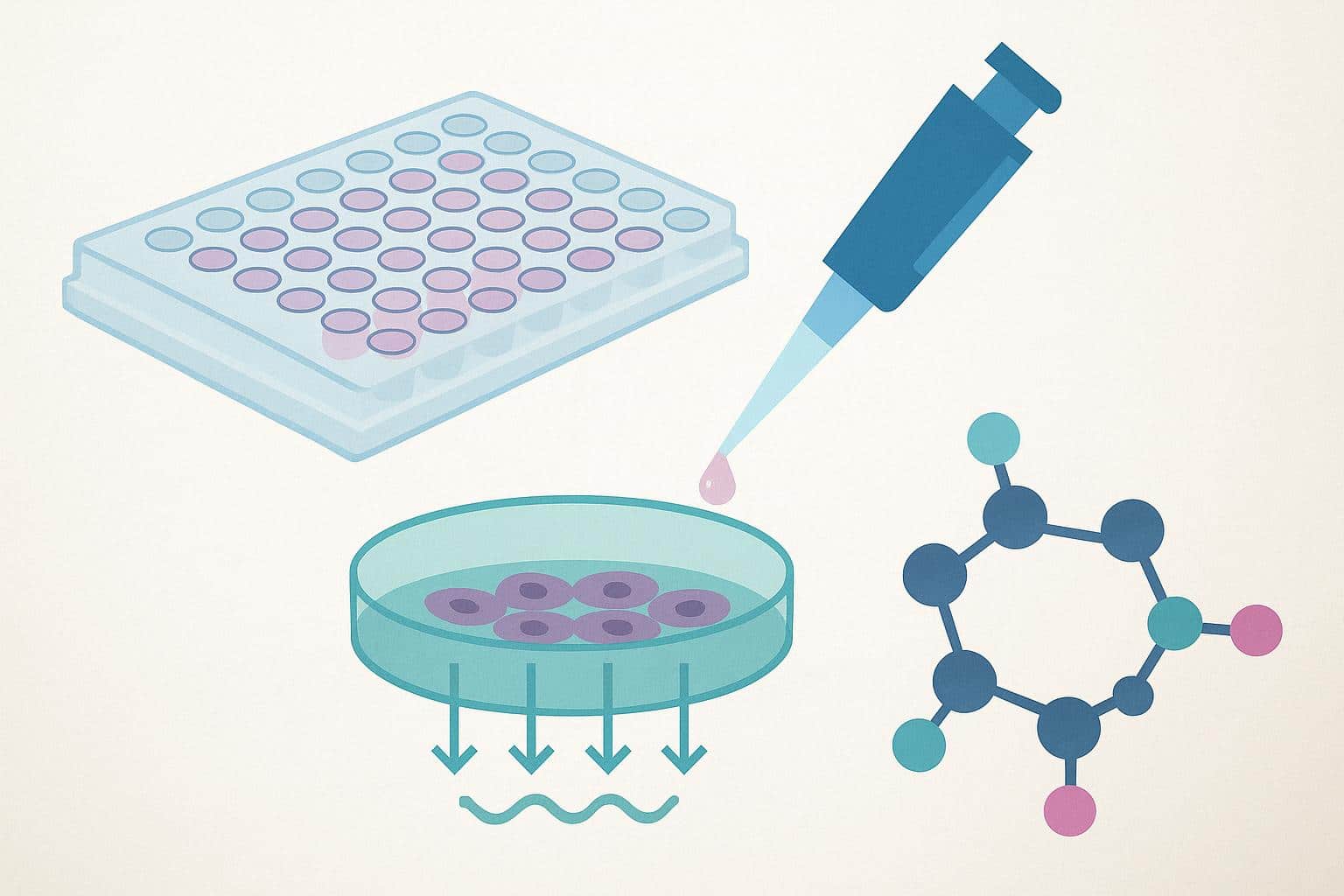
Why Permeability Testing Matters During Early Drug Development
Permeability testing matters early because absorption problems can eliminate otherwise promising compounds long before efficacy is fully explored. A molecule with potent biological activity still needs adequate exposure, and poor permeability often limits oral bioavailability. MDCK assays help teams identify that risk quickly by generating comparative transport data across a standardized cell barrier. This information supports go or no-go decisions, reduces time spent on unsuitable series, and helps prioritize compounds with stronger ADME profiles. Early permeability screening also guides medicinal chemists toward structural changes that improve membrane passage without sacrificing potency. By resolving absorption concerns sooner, drug discovery programs can focus resources on candidates with a better chance of succeeding in preclinical and clinical development.
Key Applications of MDCK Permeability Assay in Drug Discovery
Predicting Oral Drug Absorption and Intestinal Transport
One of the main uses of the mdck permeability assay is predicting whether an orally administered compound is likely to pass through intestinal epithelial barriers efficiently. Although MDCK cells are not identical to human intestinal tissue, they offer a reliable screening model for ranking compounds by transport potential. Higher apparent permeability generally suggests better absorption prospects, while low values can signal a need for reformulation or chemical modification. The assay also helps estimate directional transport across apical and basolateral surfaces, which is valuable when studying intestinal uptake behavior. In discovery workflows, these results support compound selection, improve oral exposure forecasting, and strengthen ADME packages before more complex studies are conducted in advanced preclinical models.
Evaluating Passive Diffusion and Efflux Transport Mechanisms
MDCK permeability assays are also widely used to separate passive diffusion from transporter-mediated movement. By comparing transport in both directions across the cell layer, researchers can detect efflux ratios that suggest active export rather than simple membrane permeation. This is especially useful for identifying compounds affected by efflux transporters, which can lower intracellular concentration and reduce oral absorption or tissue penetration. When the assay is configured with transporter-expressing cells, it becomes a focused tool for studying substrate behavior and potential transport liabilities. These insights help scientists determine whether low permeability reflects intrinsic physicochemical limits or active efflux. That distinction is essential when choosing between structural optimization, transporter avoidance, or formulation-based solutions.
How MDCK Permeability Assays Support Compound Screening Decisions
Measuring Drug-Like Properties Through In Vitro Testing
In vitro permeability data contribute directly to the assessment of drug-like properties during compound screening. A strong MDCK result suggests that a molecule can move across epithelial barriers efficiently, which supports favorable oral delivery potential and overall developability. Poor performance, in contrast, can point to excessive polarity, low membrane affinity, or transport-related limitations that may hurt systemic exposure. Because the assay can be run in medium-throughput formats, it fits well into early screening cascades alongside solubility, metabolic stability, and protein binding tests. Looking at these properties together gives a more complete ADME picture than potency alone. That integrated view helps discovery teams identify balanced compounds instead of advancing molecules with hidden absorption weaknesses.
Using Permeability Data to Optimize Lead Candidates
Lead optimization depends on understanding why a compound underperforms, and MDCK permeability data provide that direction. If a lead shows low transport, chemists can adjust polarity, hydrogen bonding, pKa, or lipophilicity to improve membrane passage while preserving target activity. If bidirectional data suggest efflux, the team can redesign structural features linked to transporter recognition. Repeating the assay across analogs then shows whether those changes meaningfully improve permeability. This creates a clear feedback loop between ADME testing and medicinal chemistry. Instead of relying on potency alone, researchers can refine lead candidates toward a more balanced profile with better absorption potential. As a result, permeability testing helps turn active molecules into more viable development candidates.
Conclusion
MDCK permeability assay is used in drug discovery to answer a practical question early: can a compound cross epithelial barriers well enough to support effective exposure? That makes it a core tool in ADME research, oral absorption prediction, transporter assessment, and lead optimization. By showing how molecules behave in a controlled cell-based system, the assay helps researchers detect poor permeability, identify efflux issues, and compare compounds within a screening cascade. Those insights improve candidate ranking and reduce costly downstream surprises. While no single in vitro test defines a drug’s future, MDCK data provide a strong, decision-shaping signal when interpreted with other ADME results. For discovery teams, the assay remains a valuable way to build better compounds with stronger development potential.