


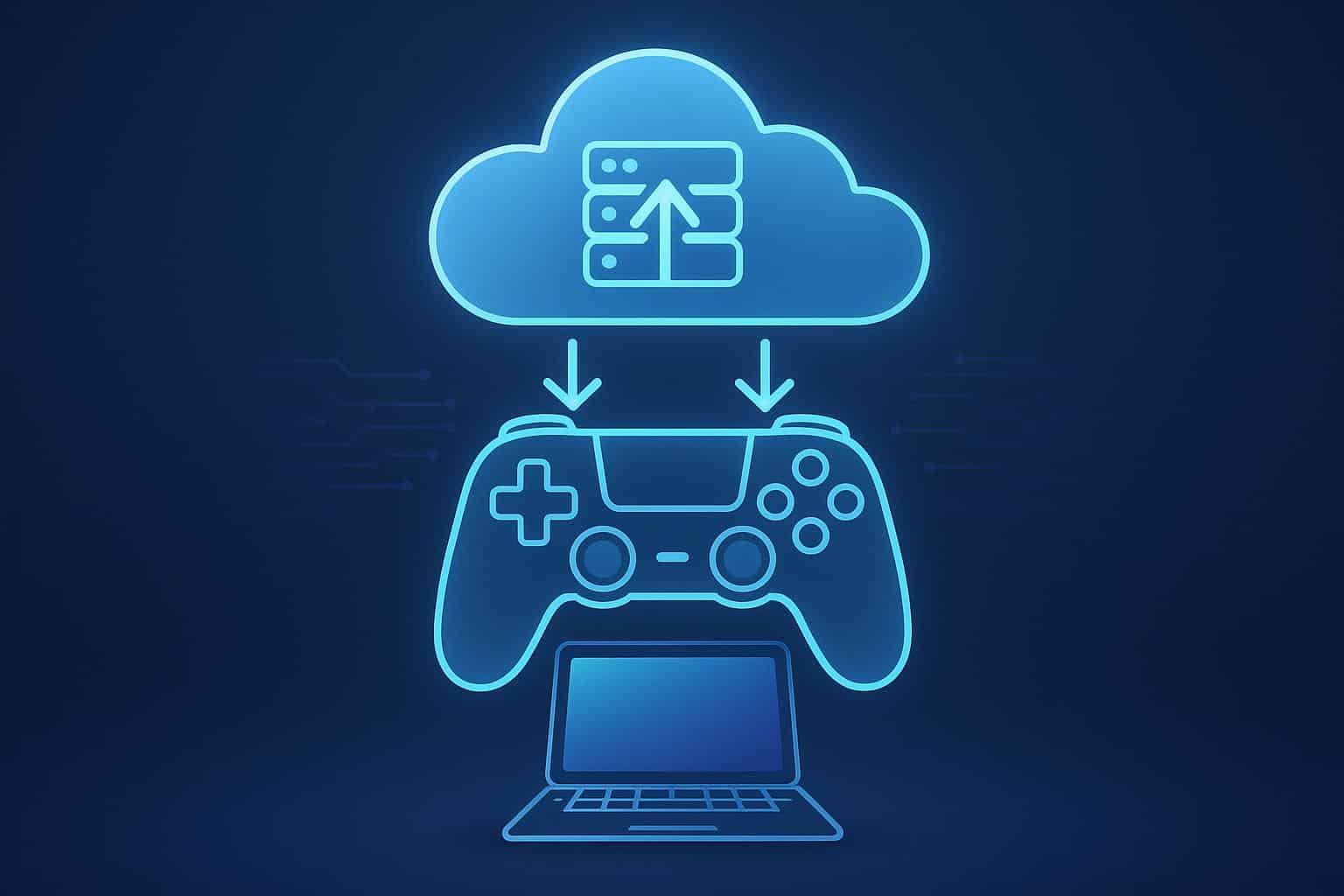
For years, the only way to play high-end video games was by purchasing an expensive gaming console or by updating one’s computer hardware. The cloud gaming process totally shifts this equation. The difference between the two approaches is that the game runs not locally on the user’s device but on powerful remote servers located in a data center, which stream the live video directly to your smartphone, laptop, or smart TV through the internet.
The modern-day high-speed web system is able to transfer enormous amounts of data instantly. From media streaming to real-time data feeds such as Lao Numbers Today (ເລກລາວວັນນີ້), ultrahigh-speed cloud networks provide instant access to all users’ favorite gadgets.
How Does Cloud Gaming Actually Work?
Cloud gaming can be compared to Netflix or YouTube, but it works in an interactive mode. Upon launching a cloud game, the application is loaded on the high-performing computer situated miles away from you.
Once you tap a button on the gamepad, that command immediately reaches the cloud server via the Internet. Your move is calculated, an image is generated, and sent back to your screen in a compressed form.
That communication loop completes within milliseconds, with all calculations happening on the server side. Therefore, the local machine does not need much computing power and consumes little electricity.
Main Advantages of Streamed Games
Cloud gaming has several obvious advantages over gaming consoles and gaming PCs. It eliminates technical issues so that you can dedicate all your attention to playing.
- Zero Need for Local Storage: Save hundreds of gigabytes of free hard drive space since game files will be located on remote cloud servers.
- Immediate Gameplay: Get rid of long game installations, lengthy downloads, and mandatory software updates.
- Game on All Devices: Transform your ordinary laptop, cheap tablet, old-fashioned desktop, or smart TV into a powerful gaming station.
- More Cost-Effective: Enjoy triple-A game titles without buying expensive hardware.
Network Speeds and Latency: What Are Needed to Play?
To be able to enjoy seamless cloud gaming, it is not the device performance that matters the most, but network stability. For example, cloud platforms require at least 15 Mbps of internet speed to play in 1080p mode. For crispy 4K videos, you need at least 35 Mbps.
Latency measures the physical time needed for data transfer from the cloud server to your house and vice versa. This parameter needs to be low to ensure the responsiveness of the gameplay. Just as the network response plays a key role in providing instant data to Live Football Betting (ໂຕງບອນສົດ), a stable low-latency network connection will ensure responsive gameplay without any delays caused by lag. The best choice for connecting to the cloud would be to use 5GHz Wi-Fi or an Ethernet cable.
Key Cloud Gaming Platforms Compared
Cloud gaming technology is becoming more and more popular, bringing about rapid technological advances and innovation in this field. Today there are many cloud platforms tailored to various types of gaming and devices.
| Cloud Platform | Primary Device Support | Best For |
| Xbox Cloud Gaming | Smart TVs, Web Browsers, Mobile | Accessing console libraries via Game Pass Ultimate |
| NVIDIA GeForce NOW | Laptops, PCs, Smart TVs, Mac | Streaming high-frame-rate PC titles you already own |
| Amazon Luna | Fire TV, Tablets, Smartphones | Casual family gaming and flexible channel subscriptions |
Main Drawbacks of Cloud Gaming
Despite being a convenient way of entertainment, cloud streaming does have its own disadvantages.
First of all, an unstable internet connection may result in poor video quality and occasional input lags.
Additionally, gamers who have certain limitations on the monthly data allowance have to keep track of how many gigabytes they spend watching high-quality games.
Finally, competitive multiplayer games are more likely to be played using local hardware configurations where even milliseconds matter.
The Future of Entertainment without Any Hardware
Cloud gaming is a revolutionary approach to digital entertainment, as it allows everyone who has an internet connection to play high-end games remotely using powerful servers. The expansion of fiber networks and 5G connection technologies means that cloud gaming will only get better in the future.