


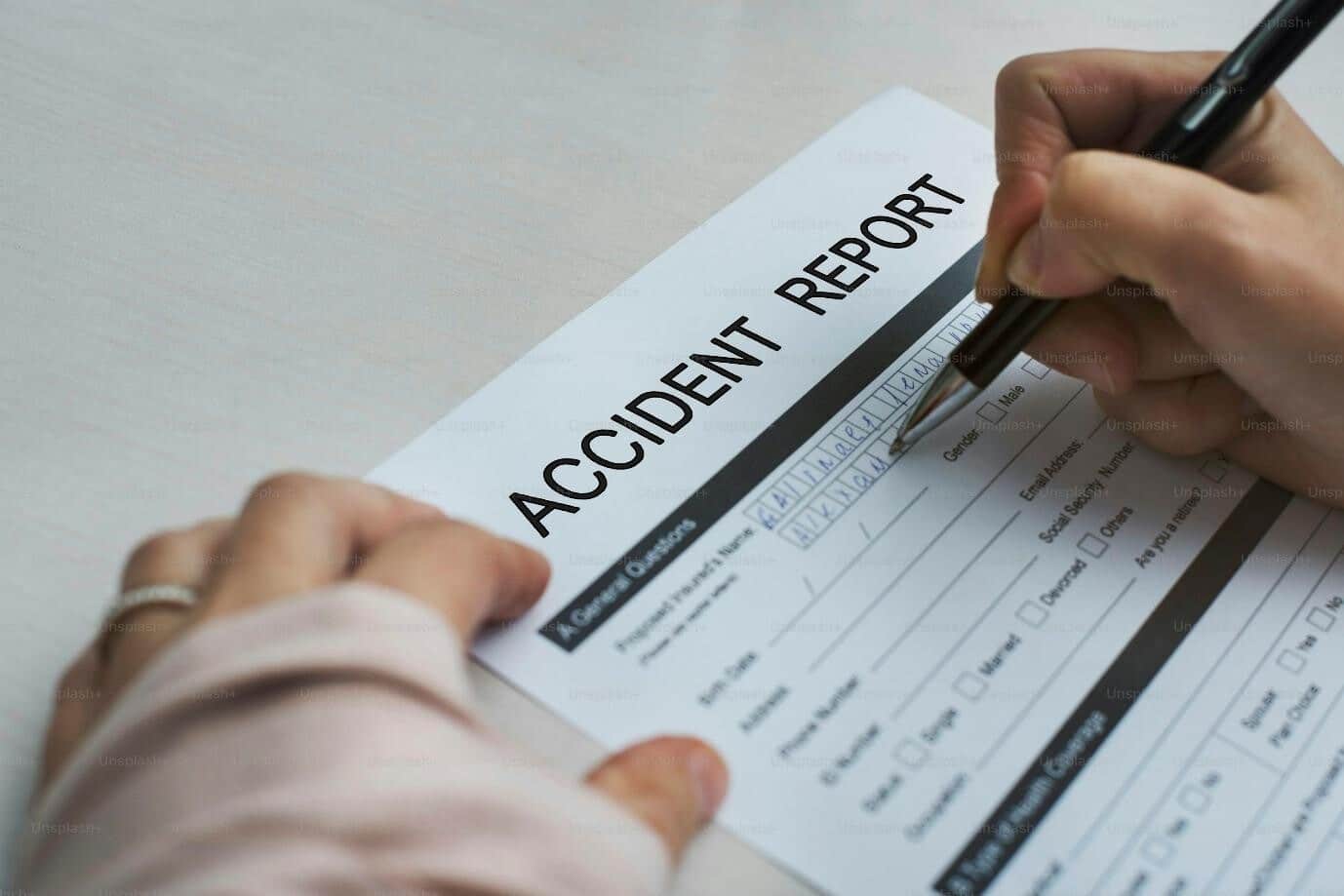
A police accident report usually includes key information about a crash, including the date, time, and location, driver and vehicle details, witness statements, road and weather conditions, injuries, property damage, officer observations, and any citations issued. This information creates an official record of the accident and may later help insurance companies, attorneys, and others understand what happened.
Police accident reports are commonly used after crashes in cities and communities across the United States. The information collected can vary by police department and the circumstances of the collision, but most reports contain several basic categories of information. Understanding what is included in police reports can help drivers know what to look for when reviewing an accident record.
Date, Time, and Location
A police report generally begins with basic information about the accident. This may include the date, approximate time, street address, intersection, and direction in which the vehicles were traveling.
The report may also identify the type of collision, such as a rear-end crash, sideswipe, head-on collision, or accident involving a pedestrian or cyclist.
Driver and Vehicle Information
Police officers typically collect information about the people and vehicles involved. Depending on the report, this may include names, addresses, driver's license information, vehicle descriptions, license plate numbers, and insurance details.
Passenger information may also be recorded, particularly when someone reports an injury or provides information about what happened.
Statements From Drivers and Witnesses
Police officers may ask drivers and witnesses to explain what they saw. Their statements can provide information about vehicle movements, traffic signals, speed, road conditions, and other circumstances surrounding the crash.
A report may summarize these statements rather than provide a complete word-for-word account.
Statements can be useful evidence, but they do not necessarily establish legal responsibility by themselves.
Officer Observations
The responding officer may record observations made at the scene. These can include the location of vehicles, visible damage, skid marks, debris, traffic signals, road markings, and other physical evidence.
The officer may also document whether there appeared to be signs of impairment, distracted driving, or another potential traffic violation.
Road and Weather Conditions
Environmental conditions can sometimes contribute to a collision. A police report may describe whether the road was wet, icy, damaged, poorly maintained, or obstructed.
Weather conditions such as rain, fog, snow, or strong winds may also be documented. Lighting and visibility at the time of the accident can be included as well.
Injuries and Property Damage
If someone was injured, the report may identify the reported injuries and whether emergency medical services responded.
The officer may also record visible damage to the vehicles involved. In some cases, photographs may accompany the report to provide additional documentation of the crash scene and vehicle damage.
Citations and Traffic Violations
If an officer believes a traffic violation occurred, the report may identify the suspected violation and whether a citation was issued.
Common examples include speeding, failure to yield, following too closely, running a red light, or driving under the influence.
A citation may be relevant to an insurance claim, but receiving or not receiving a citation does not automatically determine civil liability for the accident.
Accident Diagrams
Some police accident reports include diagrams showing how the crash occurred. These may identify the position of vehicles, direction of travel, lanes, points of impact, traffic signals, and other important features.
A diagram can make it easier to understand the officer's description of the accident.
Additional Information
Depending on the circumstances, a report may also contain information about vehicle towing, damaged property, emergency services, witnesses, or road hazards.
Some reports may include supplemental pages if the investigation continues or additional information becomes available.
Why Reviewing the Report Matters
A police accident report can be valuable when dealing with an insurance claim or personal injury case. However, it is usually only one piece of evidence.
Photographs, medical records, witness accounts, vehicle damage, surveillance footage, and other documentation may provide additional information about what happened.
If you notice an error in a report, check with the law enforcement agency that prepared it to determine whether its procedures allow corrections or supplemental information.
Key Takeaways
- Police reports usually document the date, time, and location of a crash.
- Driver, passenger, vehicle, and insurance information may be included.
- Witness and driver statements can help describe what happened.
- Officers may document road, weather, lighting, and traffic conditions.
- Injuries, vehicle damage, and citations may appear in the report.
- Some reports contain accident diagrams or photographs.
- A police report is important evidence but is not necessarily the only evidence used to evaluate an accident.
- Reviewing the report carefully can help identify missing or incorrect information.