


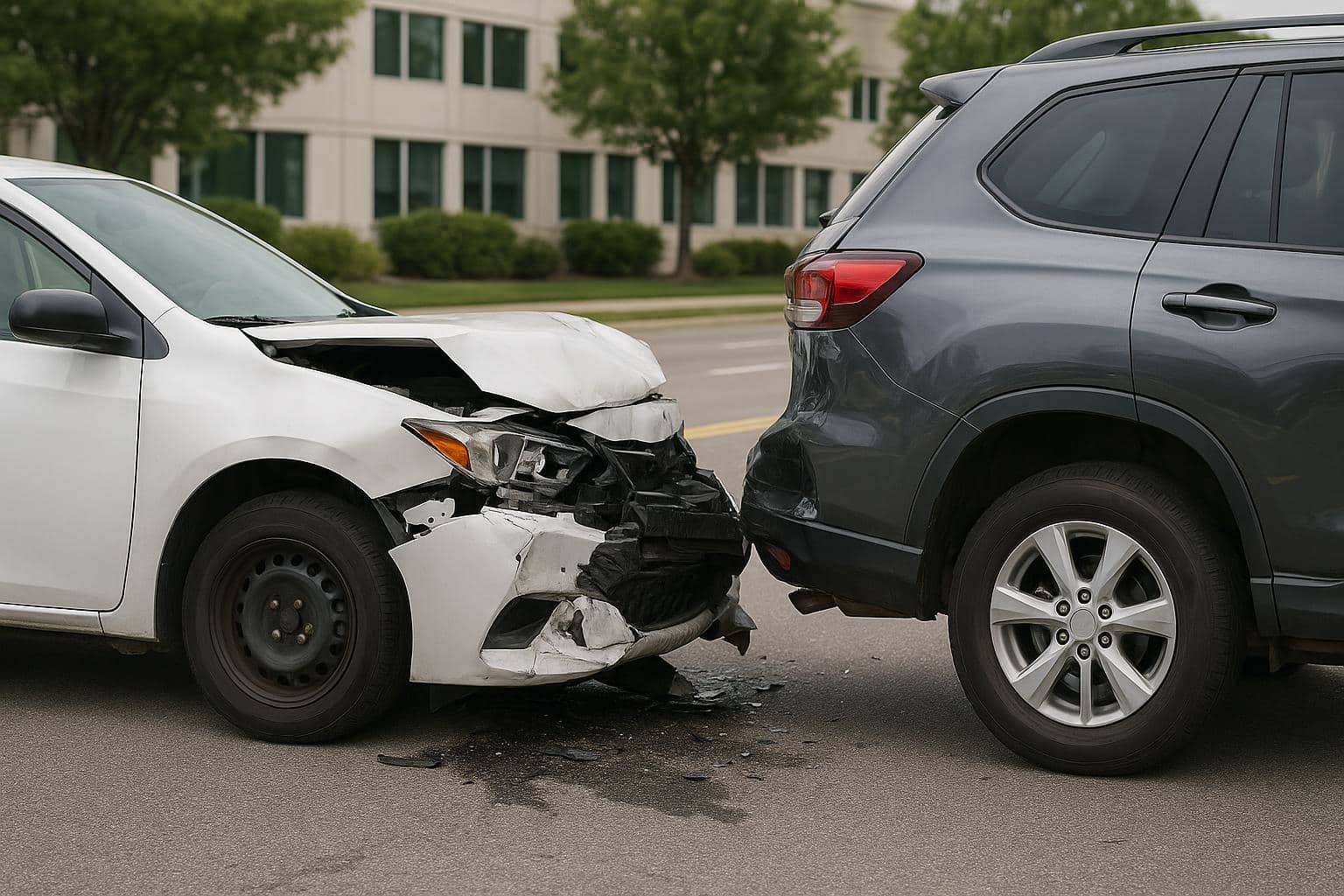
When an employee causes a car accident during the workday, the legal and insurance issues can be more complicated than in an ordinary two-driver collision. The employee may be personally responsible for negligent driving, but the employer may also face liability if the employee was acting within the scope of the job.
That distinction matters because commercial insurance or employer assets may become relevant when injuries are serious, especially if the accident resulted in a severe injury or death.
The Employee’s Negligence Still Matters
A working driver is subject to the same basic rules of the road as anyone else. Speeding, following too closely, distracted driving, unsafe lane changes, and failure to yield can support a negligence claim.
The fact that the driver was working does not excuse them for their negligence and recklessness, nor does it automatically make the employer responsible, however, the purpose of the trip is often the central issue.
Was the Employee Acting Within the Scope of Employment?
Employers can be held responsible for certain negligent acts committed by employees while performing job duties. This is often described as vicarious liability or respondeat superior.
A delivery driver traveling to a customer, a salesperson driving between appointments, or a technician heading to a job site may be acting within the scope of employment. By contrast, an employee who leaves work for a purely personal errand may fall outside that scope.
Commuting raises its own questions. Travel between home and a regular workplace is often treated differently from driving required during the workday, although state-specific exceptions can apply.
The Employer May Face Direct Negligence Claims Too
An employer can sometimes face claims based on its own conduct rather than simply being responsible for the employee’s negligence. Examples may include hiring a driver with a known unsafe record, failing to verify a license, providing inadequate training, pressuring employees to meet dangerous schedules, or neglecting maintenance on a company vehicle.
These allegations require evidence about company policies and decisions.
Insurance Can Be More Complicated
If the employee was driving a company-owned vehicle, a commercial auto policy may apply, but if the employee was using a personal car for work, then both personal and business-related coverage may need to be reviewed.
Coverage can depend on policy language, the driver’s work status, and the nature of the trip. A California car accident attorney can provide a broader overview of how fault and insurance are investigated after vehicle collisions.
Evidence of the Work Connection
Time records, GPS data, work calendars, delivery records, company emails, dispatch logs, text messages, expense reports, and witness statements may help establish what the employee was doing when the crash occurred.
A company logo on the vehicle can be a useful clue, but it is not proof by itself. An employee can be working in a personal car, and a company vehicle can sometimes be used for personal purposes. However, all of the evidence and details will be carefully examined by insurance adjusters, the affected parties, and even personal injury lawyers.
Can a Company Be Held Liable for Their Employees?
When an employee causes an accident while working, both the driver and employer may need to be investigated. The most important questions include why the employee was driving, whether the trip benefited the employer, whether the company contributed to the risk, and which insurance policies apply. Those issues can materially affect the sources of compensation available after a serious crash.