


Before sunrise, a farmer steps outside and reads the sky the way others read headlines.
The colour of the horizon, the direction of the wind, and the scent in the air all indicate something. For generations, those signals carried meaning. Patterns were familiar, and the seasons followed a rhythm.
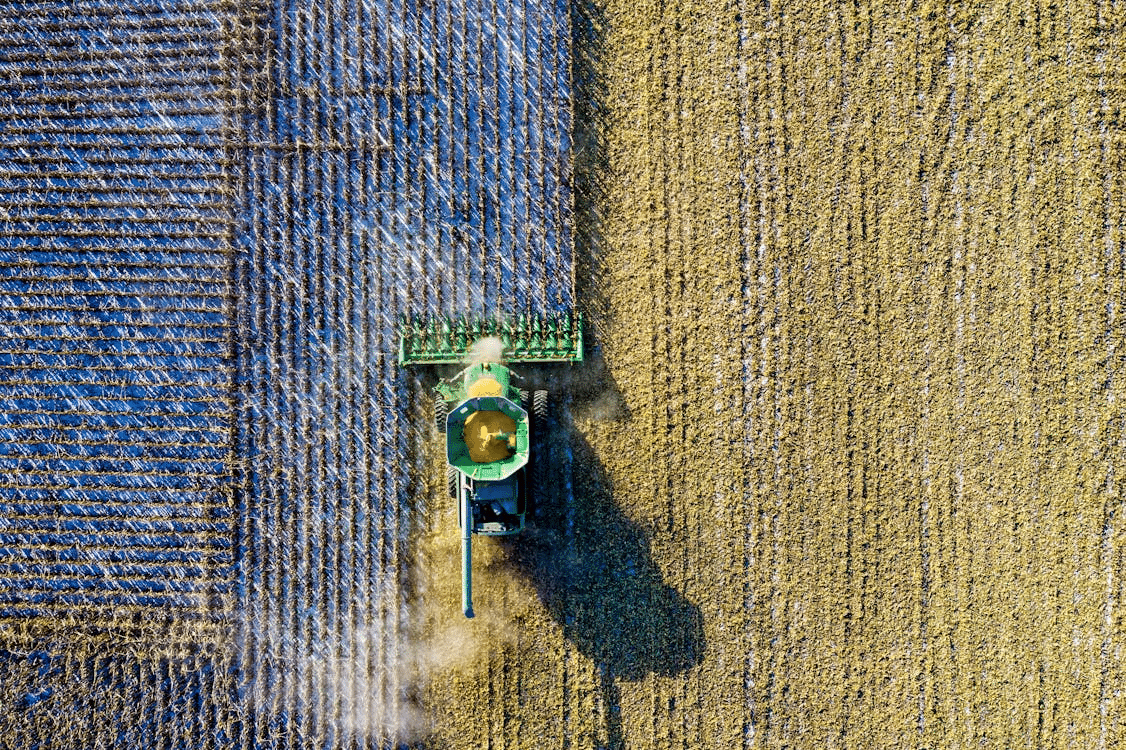
That rhythm is now changing.
Across Australia and much of the world, farming has always involved risk, but climate volatility is reshaping what that risk looks like.
According to the Bureau of Meteorology, Australia’s average temperature has increased by around 1.5 degrees Celsius since 1910, and extreme heat events are becoming more frequent. Rainfall patterns are changing, with longer dry spells punctuated by heavier downpours. In practical terms, that means crops that once grew reliably under predictable seasonal cycles are now exposed to heat stress, water scarcity, flash flooding and new pest pressures.
For those working the land, this is no science fiction. It is a daunting new reality.
The Risk Has Always Been There, But It Is Intensifying
Farming has never been a guaranteed business. A good season can be followed by a bad one without warning. Markets tend to fluctuate, input costs can suddenly rise, and the darned machinery can fail at the worst possible time. But historically, weather patterns provided at least some degree of consistency.
Not anymore.
The Intergovernmental Panel on Climate Change (IPCC) has repeatedly warned that global warming will intensify drought in already dry regions while increasing the severity of extreme rainfall events elsewhere. In Australia, prolonged droughts such as the Millennium Drought left entire regions economically strained for years. More recently, floods across New South Wales and Queensland caused billions in agricultural losses in a matter of weeks.
Farmers are not just dealing with lower yields. They are managing higher unpredictability. Crops can be lost not because of poor management, but because of events entirely outside human control.
Harder Conditions, Thinner Margins
As temperatures rise, some crops require more irrigation to survive, which increases water costs in regions where water allocations are already tightly managed. Heat stress reduces livestock productivity. Warmer winters can disrupt planting cycles and extend the lifespan of pests and diseases.
The Food and Agriculture Organization (FAO) of the United Nations has warned that global crop yields for staples such as wheat and maize are projected to decline in many regions if temperature increases continue along current trajectories. For Australian grain growers, even small yield reductions can significantly affect profitability given the scale of operations and cost structures involved.
At the same time, global demand for food continues to grow. Farmers are expected to produce more with less certainty.
This creates a tension between productivity and survival. Investment in new technology, improved seed varieties, regenerative practices and precision agriculture can help, but they require patient capital and confidence in long-term returns.
Adaptation Is Already Underway
Farmers are not passive observers. Many are already adapting. Cropping calendars are shifting. Drought-tolerant varieties are being trialled. Soil management techniques that retain moisture and improve resilience are gaining traction.
In parts of Western Australia, growers have diversified crop mixes to spread risk. In Queensland, producers are investing in water-efficient systems. Around the world, technology such as satellite monitoring and predictive weather analytics is helping farmers make more informed decisions.
But adaptation has limits. No matter how sophisticated the tools become, a severe frost at the wrong time or a heatwave during flowering can undo months of work. When margins are already tight, a single catastrophic season can push a business into financial strain.
As the future of the farming industry becomes more unpredictable, having reliable crop loss insurance will become an essential part of running a successful farming business. Providers such as Regional Insurance recognise that farmers are managing exposure to events that are growing more volatile and more costly. Insurance cannot eliminate risk, but it can prevent a single extreme event from wiping out years of investment and effort.
A Future Built on Resilience
Farming will not disappear. But it will have to change.
The coming decades will likely demand greater diversification, smarter use of data, stronger financial buffers and closer collaboration between producers, insurers, policymakers and researchers.
Governments will continue to play a role in water policy, disaster relief and emissions reduction. Agribusiness innovation will accelerate. Consumers may need to adjust expectations around price and seasonality.
What remains constant is the courage required to farm in the first place; to plant a seed without knowing how the season will unfold, and to invest before returns are certain.