


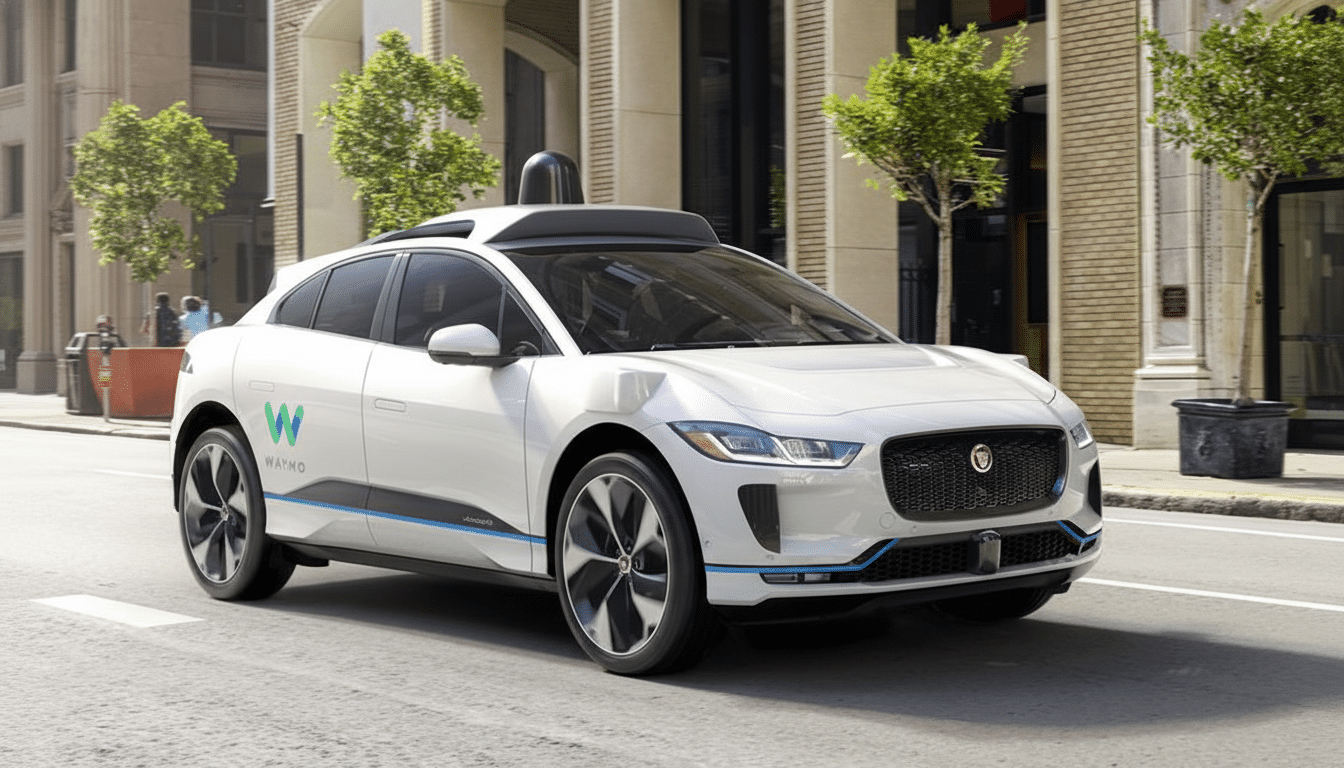
Waymo’s driverless taxis can now serve San Francisco International Airport, ending a long-standing gap in the company’s Bay Area coverage. But the first phase is airport access with training wheels: rides begin and end at the Rental Car Center, not the terminal curbs. That extra transfer makes the service slower and, in most early tests, pricier than human-driven ride-hailing—fine if you’ve got time, risky if you’re racing to a gate.
What Has Changed at SFO for Waymo Airport Service
Until now, SFO was the conspicuous hole in Waymo’s San Francisco–to–San José operating area. Airport trips require separate authorization and coordination with airport ground transportation, even after state-level approvals. With SFO’s permission now in place, Waymo has started a gradual rollout that keeps pickup and drop-off confined to the Rental Car Center, a controlled environment where shuttles, private cars, and luggage carts are less chaotic than the terminal curb.
- What Has Changed at SFO for Waymo Airport Service
- How Long It Takes and How Much a Waymo SFO Ride Costs
- Where You Actually Get Dropped Off at SFO With Waymo
- Why Airports Are Hard for Autonomous Vehicles Like Waymo
- Lessons From Phoenix and What Comes Next
- Who Should Try Waymo to SFO Now and Who Should Skip It
How Long It Takes and How Much a Waymo SFO Ride Costs
Expect the trip to take longer than a typical Uber or Lyft. Waymo’s route usually exits the freeway earlier to reach the Rental Car Center via surface streets and traffic lights. From there, travelers must ride SFO’s AirTrain to the terminal. The AirTrain runs frequently—about every few minutes—but the transfer still adds roughly 15–20 minutes door to door, depending on your terminal.
In early price checks comparing similar routes and times of day, Waymo fares often landed 40–80% above Uber and Lyft. Pricing varies with demand, and there’s no tipping in a robotaxi, but the premium is real. If the baseline city-to-terminal ride is 20–25 minutes in light traffic with a human driver, plan on roughly 45–55 minutes with a Waymo plus the AirTrain transfer. And because the vehicles strictly obey speed limits, asking the car to hustle won’t change your ETA.
Where You Actually Get Dropped Off at SFO With Waymo
Waymo currently uses the Rental Car Center as the single touchpoint for both arrivals and departures. For departing passengers, that means you’ll step out at the center, head upstairs, and board the AirTrain to your terminal. For arrivals, you’ll do the reverse—take the AirTrain to the Rental Car Center and summon a Waymo from there. Frequent flyers will find the routine manageable, but the added transfer and wayfinding can be frustrating, especially with kids, skis, or multiple checked bags.
Signage is improving but not yet as clear as the well-marked TNC zones that Uber and Lyft use. Until Waymo’s in-app instructions and SFO’s signage converge, first-time users should build in buffer time to locate the pickup area confidently.
Why Airports Are Hard for Autonomous Vehicles Like Waymo
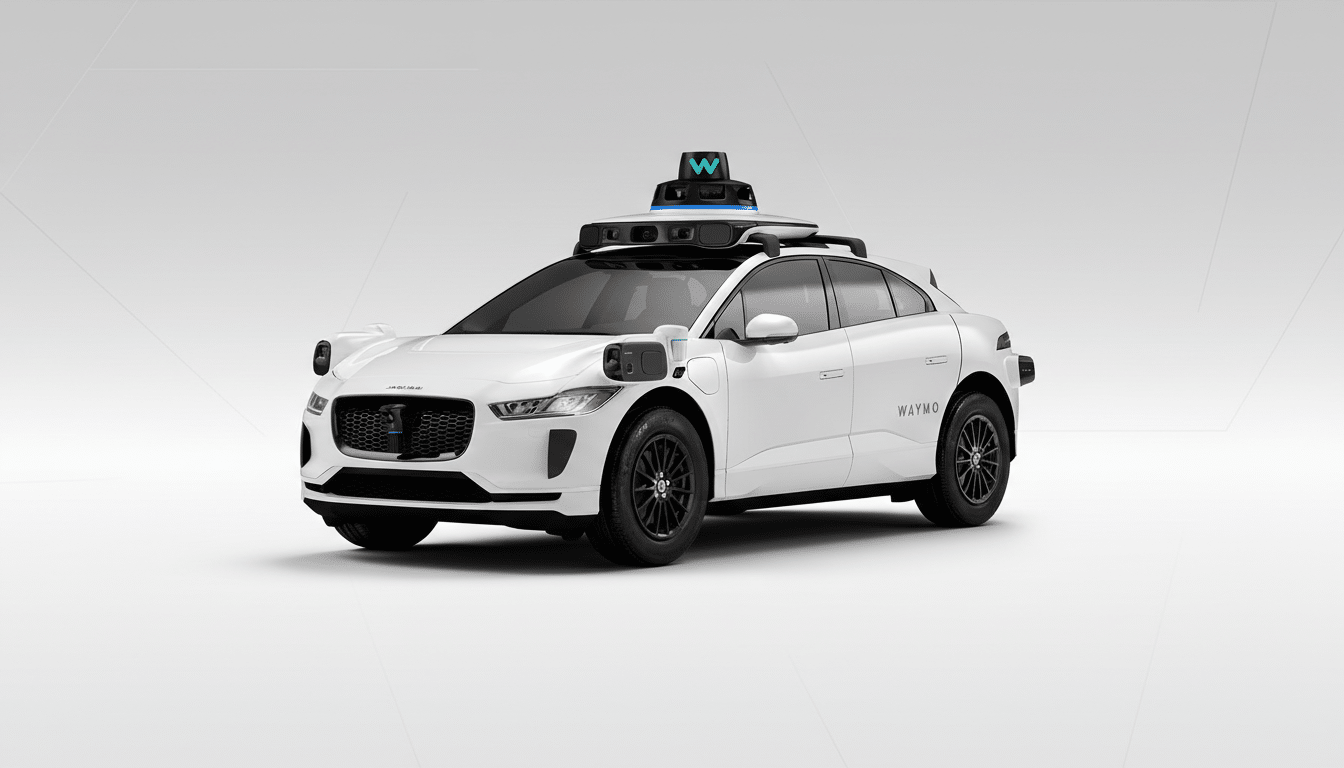
Airport curbs are the final boss of driving: double-parked vans, darting pedestrians, luggage spills, buses blocking sightlines, and last-second lane changes. Human drivers rely on eye contact and informal negotiation to make it all work. Automated systems avoid ambiguity by design, which keeps rides safe but can slow them to a crawl amid curbside entropy. Placing AVs at a hub like the Rental Car Center lets them operate in a more predictable environment while the company and airport refine procedures.
Safety and oversight remain front and center. The California Public Utilities Commission and the Department of Motor Vehicles regulate autonomous operations on public roads, while airports govern commercial access on their property. Federal scrutiny is ongoing: the National Highway Traffic Safety Administration has examined incidents involving multiple AV developers, including Waymo. The company counters with millions of fully driverless miles and internal safety reports indicating lower crash injury rates versus human baselines in mature markets. Both realities help explain the cautious, stepwise approach at SFO.
Lessons From Phoenix and What Comes Next
There’s precedent for starting away from the curb. In Phoenix, Waymo initially handled airport trips via the Sky Train stations before graduating to terminal curbs in 2024 after proving performance and working with airport staff. Waymo says it aims to do something similar at SFO and “serve additional airport locations like the terminals in the future.” San José Mineta International already supports Waymo access, hinting at a broader Bay Area airport playbook.
Short term, the most realistic upgrades at SFO are better signage, clearer app guidance, and expanded staging capacity at the Rental Car Center to reduce wait times. Curbside access for drop-offs is harder—those lanes are congested by design—but structured pickup zones, like the ones Uber and Lyft use, seem achievable once performance data accumulates.
Who Should Try Waymo to SFO Now and Who Should Skip It
If you value privacy for a call, prefer a driverless ride, or simply want to sample the future, Waymo to SFO is now an option. Travelers with tight schedules, heavy luggage, or complex family gear will likely be happier with traditional ride-hailing or a taxi that can drop directly at the terminal curb. Until Waymo gets closer to the gates, think of it as a calm, tech-forward airport ride—just not the fastest one.