


Clean drinking water remains essential for human health and community well-being. Every drop that reaches a household has passed through several scientific processes designed to remove harmful substances. Chemistry plays a central role in maintaining water safety and preserving its suitability for daily consumption.
Public health systems rely on carefully regulated purification methods to protect drinking supplies. Specialists apply water treatment chemicals to remove impurities, neutralize pathogens, and maintain balanced mineral composition. Scientific monitoring ensures that treated water remains safe, stable, and suitable for long-term consumption.
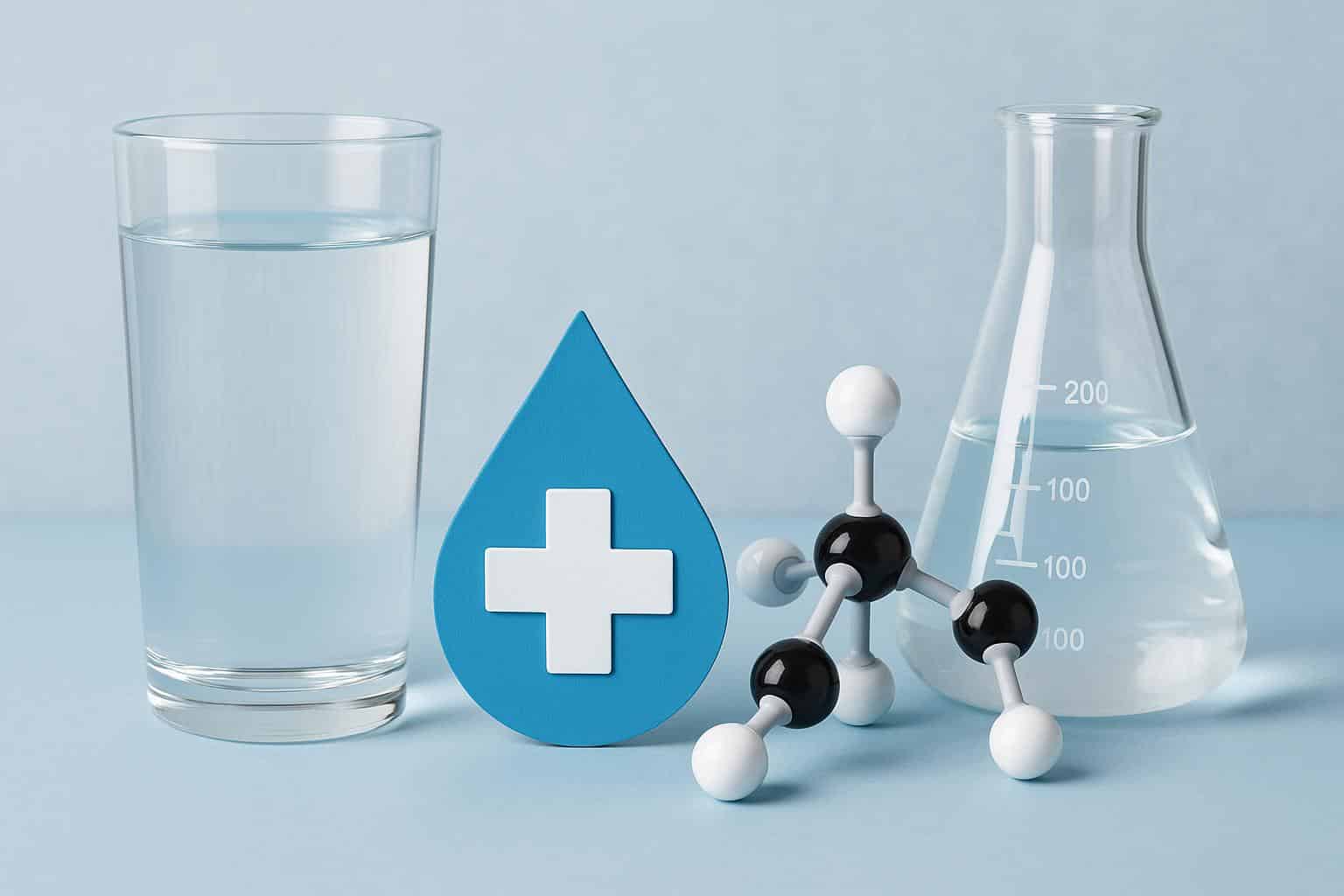
Chemical Composition and Its Role in Water Safety
Water contains various natural minerals and dissolved substances that influence its quality. Elements such as calcium, magnesium, and sodium affect taste and hardness while remaining safe within controlled limits. Careful analysis helps experts determine if these compounds require adjustment during purification.
Chemical composition also reveals the presence of harmful contaminants such as heavy metals or industrial residues. Laboratories examine water samples through precise testing procedures to detect these elements. Accurate analysis allows water specialists to design effective purification strategies that maintain safe drinking standards.
Key Chemical Indicators Used in Water Quality Testing
Water quality evaluation relies on several measurable indicators that reveal its chemical stability. These parameters help specialists assess contamination risks and determine the need for purification treatment. Reliable testing provides valuable insights into the condition of drinking water supplies.
Important chemical indicators include:
- pH levels that indicate acidity or alkalinity balance.
- Dissolved oxygen levels that reflect ecological health.
- Concentration of nitrates and phosphates in water sources.
- Presence of heavy metals such as lead or arsenic.
Regular monitoring of these factors supports accurate assessment of water safety.
Purification Methods That Improve Drinking Water Safety
Chemical treatment processes play a major role in removing harmful microorganisms and suspended particles. Chlorination, coagulation, and filtration systems form part of structured purification methods used in water facilities. Each method addresses specific contaminants and supports comprehensive water sanitation.
Chemical reactions during treatment convert harmful substances into harmless forms that can be removed from water supplies. Coagulation agents help bind fine particles together so filtration systems can capture them efficiently. These purification steps ensure that water reaching communities remains safe and hygienic.
Common Substances Used in Drinking Water Treatment
Purification systems rely on carefully selected compounds that support effective sanitation. Each substance serves a distinct purpose within the treatment process and operates under regulated concentration levels. Professional supervision ensures that these substances maintain water safety without causing health concerns.
Typical compounds used in purification include:
- Chlorine is used for disinfecting harmful microorganisms.
- Alum is applied during coagulation to remove suspended particles.
- Lime is introduced to adjust the pH balance within treatment facilities.
- Activated carbon that removes odors and organic contaminants.
Treatment plants also rely on controlled use of water treatment chemicals to maintain water stability throughout distribution networks.
Continuous Monitoring for Long-Term Water Safety
Water purification does not end at treatment plants. Continuous monitoring ensures that water remains safe while traveling through pipelines and storage facilities. Technicians perform routine laboratory tests to confirm chemical balance and microbial safety.
Monitoring systems allow authorities to identify irregularities before they affect public health. Data from testing laboratories helps guide treatment adjustments when necessary. Careful supervision maintains consistent water quality across the entire distribution system.
Hence, clean water depends on scientific precision and responsible management of chemical processes. Careful testing and treatment maintain safe drinking supplies for communities. Strong monitoring systems protect public health and preserve water quality for daily life.