


Vivo has confirmed that the upcoming X300 Ultra will record using the Advanced Professional Video codec, joining Samsung’s Galaxy S26 Ultra as the second smartphone to support APV. The move signals rapid momentum for pro-grade video workflows on Android, with Vivo also promising 4K/120fps capture across all three rear cameras and the option to pair APV with Log video for flexible color grading.
What APV Brings To Mobile Filmmakers And Editors
APV, developed by Samsung for professional capture, targets visually lossless quality that holds up through repeated edits and exports—exactly the pain point that typically separates mobile footage from cinema‑camera output. In briefings, Samsung has said APV also trims storage needs by up to 20% versus HEVC, which can meaningfully extend recording time at high resolutions without compromising detail.

Vivo’s decision to pair APV with Log capture is especially noteworthy. Log profiles preserve more dynamic range, giving colorists greater latitude to recover highlights, lift shadows, and match shots across lenses. On phones, Log often reveals banding or compression artifacts under heavy grading; APV’s design aims to minimize those pitfalls, making complex grades and VFX work more reliable.
Performance Specs And File Sizes To Expect
Samsung’s own guidance for the Galaxy S26 Ultra provides a useful baseline: a 1080p/30fps clip recorded in the low‑quality APV profile consumes roughly 750MB per minute, while the high‑quality profile doubles that to about 1.5GB per minute. Extrapolating to 4K and higher frame rates, creators should plan storage carefully, especially when shooting lengthy interviews, events, or multi‑take sequences.
Vivo says the X300 Ultra will sustain APV at up to 4K/120fps on all three rear cameras, which suggests a robust imaging pipeline and fast storage. Modern UFS 4.0 flash in flagship phones is built for high throughput, but heat management and sustained write speeds remain critical for long clips. If Vivo’s implementation can avoid thermal throttling during extended 4K/120 shoots, it will be a standout among mobile rigs.
Pro Tools Coming To X300 Ultra For Advanced Control
Beyond the codec, Vivo is layering in a refreshed Pro Video mode with controls modeled after cinema cameras, giving shooters more direct access to shutter angle, ISO, white balance, peaking, and waveform‑style monitoring. The company also teased Quad Mic Audio Recording Master with six preset noise‑control scenarios, a welcome nod to on‑device sound design where wind, crowd noise, and HVAC hum can ruin otherwise sharp footage.
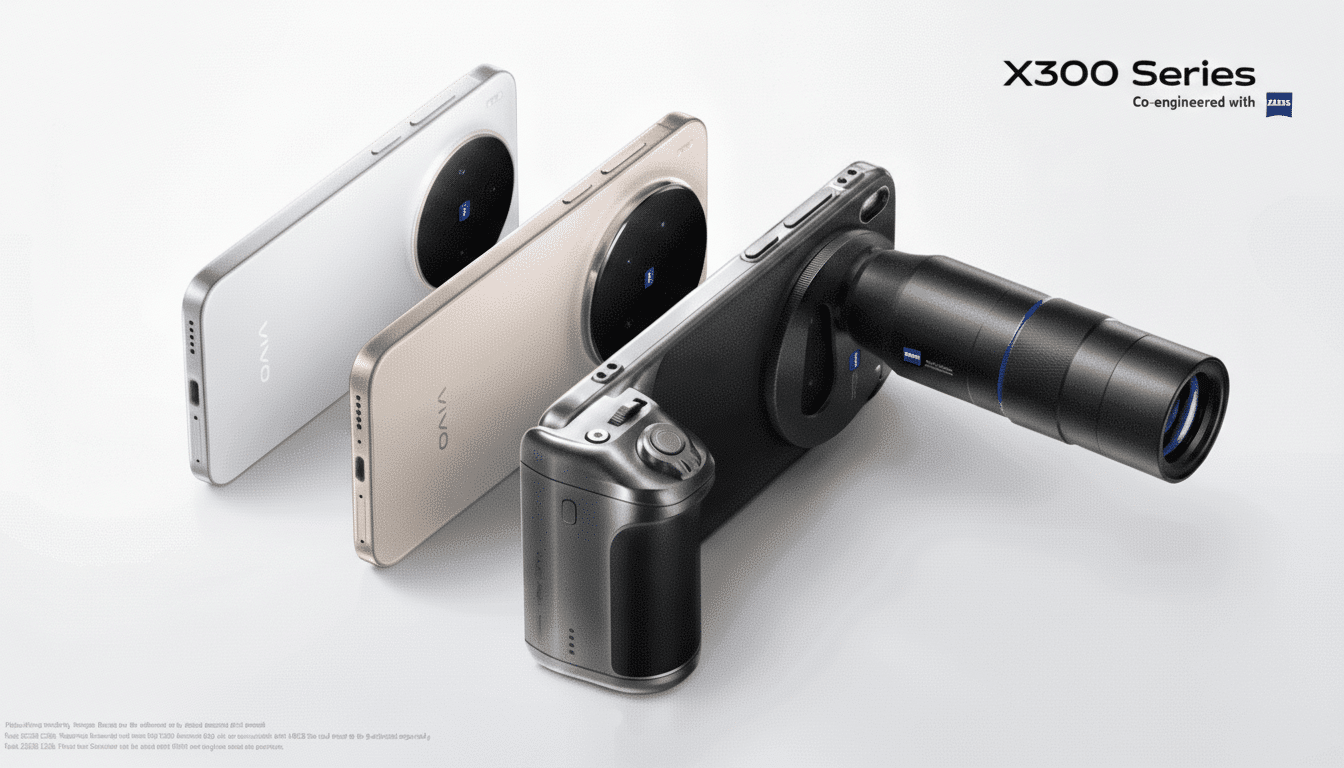
Autofocus tracking also gets a lift: the X300 Ultra brings subject tracking at 4K/60fps, a substantial step up from the X300 Pro, whose auto‑tracking was capped at 1080p/30fps. For documentary, sports, or run‑and‑gun creators, dependable 4K/60 tracking can be the difference between a keeper take and a reshoot.
How It Compares And Why It Matters For Creators
With Samsung kicking things off and Vivo now onboard, APV is moving from a single‑vendor curiosity to a potential cross‑brand standard for serious mobile video. The broader the adoption, the more incentive there is for software ecosystems—think color grading tools, asset managers, and transcoding utilities—to accommodate APV natively, streamlining handoffs from phone to desktop.
This mirrors how Apple’s ProRes helped legitimize iPhone cinematography for commercials and streaming content. If APV achieves consistent quality and predictable file behavior across devices, Android shooters could see similar gains, reducing the need for intermediate transcodes and preserving image integrity through the entire edit.
Key Questions To Watch Before The X300 Ultra Release
A few details remain to watch for. Samsung offers both low and high APV profiles; Vivo hasn’t said whether the X300 Ultra will mirror this choice. Clarity on color sampling, bit depth, and potential LUT import support will also help professionals gauge grading headroom. And given the hefty bitrates, creators will want to know about options for fast external storage over USB‑C and whether the camera app can span recordings seamlessly when nearing internal storage limits.
Still, the headline is clear: Vivo’s X300 Ultra is embracing the same pro codec that debuted on the Galaxy S26 Ultra, and it’s pairing that with meaningful upgrades to controls, audio, and autofocus. For mobile filmmakers, that combination moves smartphones closer to the reliability and flexibility expected from dedicated cinema tools—without abandoning the pocketable form factor that makes phones indispensable on set.