


The fashion industry is evolving rapidly as technology changes the way people discover, evaluate, and purchase clothing. Online shopping has become a convenient choice for millions of consumers, offering access to countless styles, brands, and trends from the comfort of home. However, one challenge remains: shoppers cannot physically try on clothes before making a purchase. Virtual fashion technology is helping solve this problem by creating more interactive and personalized shopping experiences.
With AI clothes changers, consumers can explore different outfits, experiment with styles, and visualize how clothing might look on them without visiting a physical fitting room. These innovations are making online fashion more engaging, convenient, and accessible.
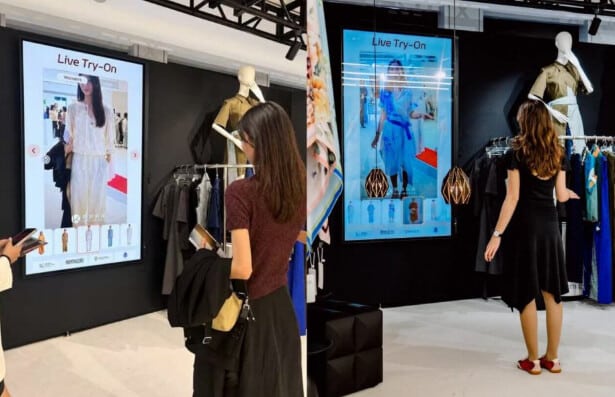
What Is Virtual Try-On Technology?
Virtual try-on technology allows users to visualize clothing, accessories, or other fashion items on a digital representation of themselves. Depending on the platform, users may upload a photograph or use other supported image inputs to see how different garments could appear on their bodies.
AI-powered systems analyze visual information, recognize body proportions, and generate realistic clothing previews. Modern solutions can simulate different garments, colors, patterns, and styles while attempting to preserve the person’s appearance and the clothing’s design.
For online shoppers, this technology offers a practical way to explore fashion before deciding what to buy. Instead of relying exclusively on product photographs or imagining how an outfit might look, users can get a more personalized visual reference.
How Virtual Fashion Tools Improve Online Shopping
One of the biggest advantages of digital fitting technology is convenience. Traditional shopping often involves visiting multiple stores, waiting in fitting rooms, and comparing different outfits. Online shopping eliminates much of this effort, and AI-powered visualization can make the experience even more useful.
A modern virtual try on experience can help users experiment with clothing styles and visualize different looks using digital technology. This makes it easier to explore fashion possibilities without physically changing outfits or purchasing every item just to see how it looks.
Another benefit is the ability to compare styles quickly. Shoppers can explore casual clothing, formal outfits, seasonal fashion, and different color combinations in less time. This flexibility is particularly valuable for people who want to refresh their wardrobes, prepare for special occasions, or discover styles that complement their personal preferences.
Virtual fashion tools can also make shopping more enjoyable by turning outfit selection into an interactive experience rather than a simple process of browsing product listings.
Understanding the Role of AI in Clothing Visualization
Artificial intelligence plays an important role in the development of virtual fashion experiences. Image-generation models and computer vision techniques can analyze clothing characteristics, recognize human figures, and produce images that combine garments with a person’s photograph.
These systems aim to preserve important visual details, including clothing colors, patterns, textures, and garment shapes. Depending on the technology, they may also account for pose, lighting, and the relationship between different parts of an outfit.
An AI clothes changer can help users explore alternative outfits through AI-generated visual transformations. Rather than manually editing photographs or creating complicated designs, users can experiment with different clothing looks through a streamlined digital process.
This capability is useful for individuals interested in personal styling, fashion inspiration, social media content, and creative outfit planning. It can also help content creators develop visual concepts without organizing multiple physical wardrobe changes.
Although AI-generated previews can look convincing, they should be treated as visual guides rather than guarantees of how a garment will fit in real life.
Benefits for Fashion Brands and Retailers
Virtual try-on technology offers potential advantages beyond individual shoppers. Fashion retailers can use digital visualization tools to create more interactive product experiences and help customers understand how clothing might look outside standard catalog photography.
When shoppers can explore products more personally, they may feel more confident about their choices. Better-informed decisions could also help reduce avoidable purchases and some returns caused by differences between expectations and product appearance.
For fashion brands, these tools can support digital marketing campaigns, product demonstrations, and personalized shopping experiences. Retailers can introduce innovative ways to showcase collections while giving customers additional opportunities to engage with products.
However, virtual previews cannot completely replace accurate size charts, detailed product descriptions, fabric information, or reliable return policies. Combining these resources with AI visualization provides a more balanced shopping experience.
Tips for Getting Better Virtual Try-On Results
To make the most of AI-powered clothing tools, users should begin with a clear, well-lit photograph. A simple background and an unobstructed view of the body can help image-processing systems interpret the input more effectively.
Choose clothing images with visible garment details, including colors, patterns, and overall silhouettes. Follow the platform’s instructions regarding image quality, supported formats, and positioning.
Experiment with several styles rather than relying on a single result. Comparing different looks can help identify appealing combinations and inspire new wardrobe ideas.
It is also important to review privacy information before uploading personal photographs. Understanding how a platform handles uploaded images, stores information, and manages deletion requests can help users make informed decisions about their digital content.
The Future of AI-Powered Fashion
As artificial intelligence continues to advance, virtual fashion experiences are likely to become more sophisticated, accessible, and personalized. Improvements in image generation may produce more consistent garment details, better representations of fabric movement, and more natural-looking outfit transformations.
Future applications could integrate personalized recommendations, digital wardrobes, and shopping platforms to help consumers coordinate clothing and discover styles that match their preferences.
Nevertheless, the technology will need to address ongoing challenges involving image accuracy, body representation, privacy, and realistic expectations. Responsible development and transparent communication will be essential to building consumer trust.
Conclusion
AI-powered fashion tools are changing how people explore clothing online by making outfit visualization more interactive and convenient. From experimenting with personal styles to supporting more engaging retail experiences, virtual try-on technology offers new possibilities for shoppers, creators, and fashion businesses alike.
As these solutions continue to improve, they may become an increasingly valuable part of the digital shopping journey. By combining AI-generated previews with practical product information and thoughtful purchasing decisions, consumers can enjoy a more creative and informed approach to fashion.