


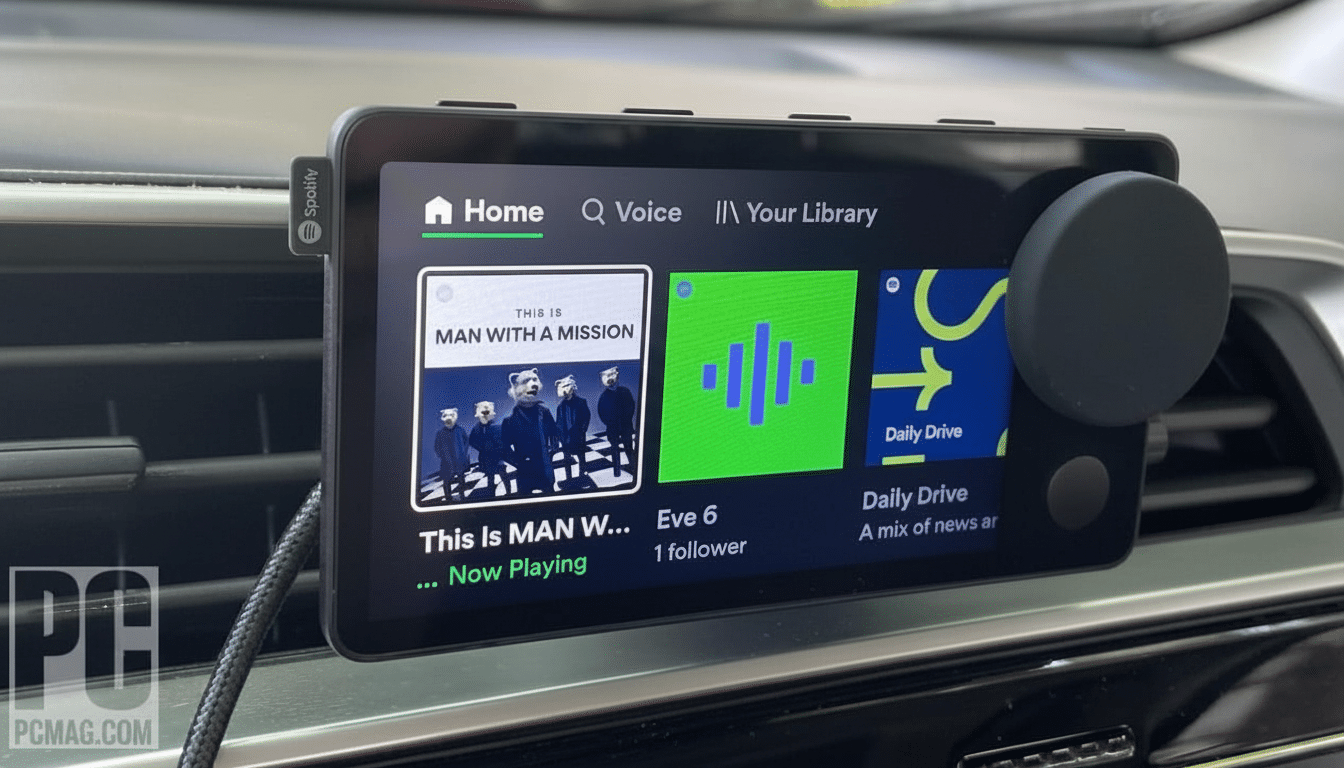
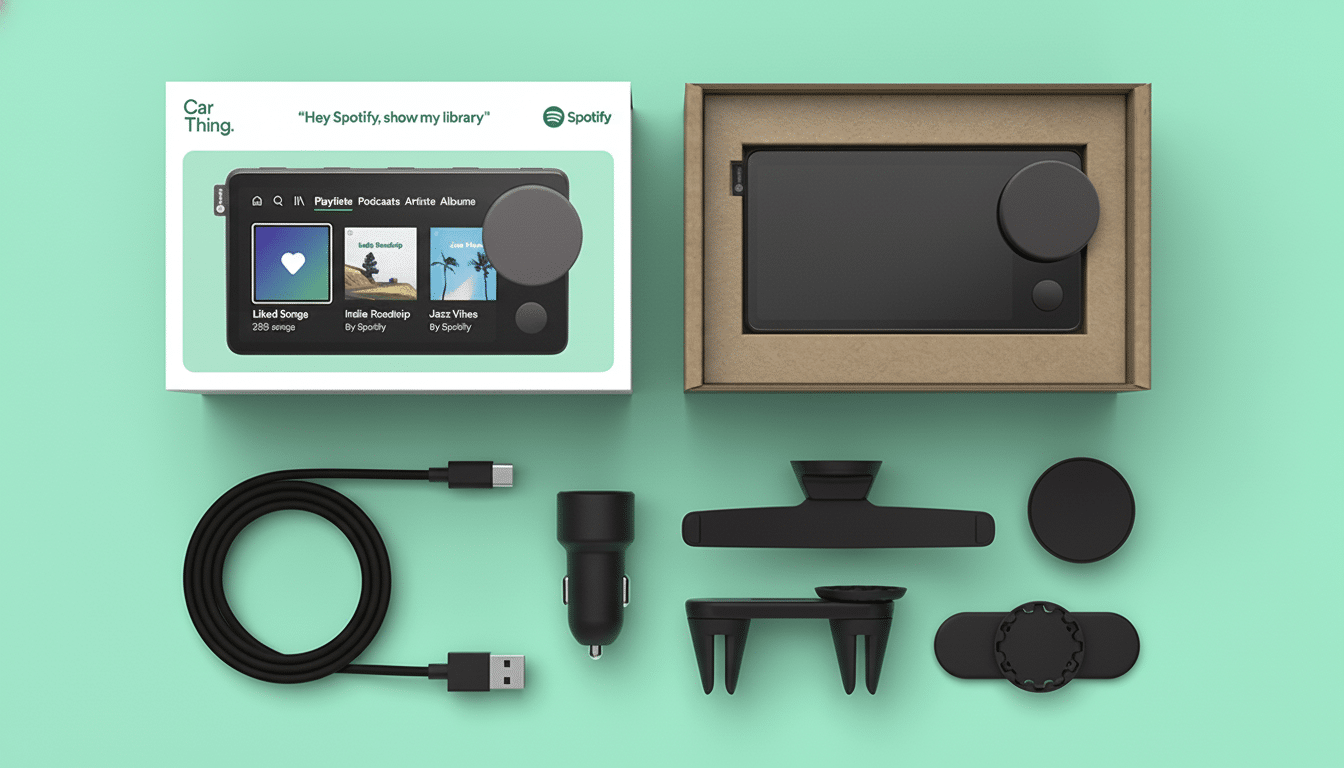
Verizon will close its Hum connected-car service, putting the brakes on support for the company’s line of OBD-II gadgets offering vehicle diagnostics, roadside assistance, a 4G LTE Wi-Fi hotspot, and a speaker with Google Assistant built in. The move makes Hum the latest big-name connected accessory about to lose some of its core functionality, and is reminiscent of the uproar around Spotify’s Car Thing after that device was shelved just to be given a second lease on life by hackers.
What exactly is going away as Verizon ends Hum service
Customers will be informed that Hum service is ending, and then the devices and the accompanying app will no longer work. According to Verizon, Roadside Assistance, Crash Response, Vehicle Diagnostics, and Location Services will stop working, while HumX owners will no longer be able to take advantage of mobile hotspot or NumberShare. In other words, all of the network-tethered tools that made Hum interesting in the first place are slowly peacing out.
- What exactly is going away as Verizon ends Hum service
- Why Hum mattered in the car before built-in connectivity
- The Google Assistant And Hotspot Fallout
- What consumers can do now as Hum services shut down
- Lessons from device shutdowns and the e-waste problem
- Disposal and recycling guidance for retired Hum devices
The mobile carrier has informed users that they may dispose of the hardware and it is not required to be returned. That’s also likely to frustrate customers who bought Hum as a long-term upgrade option for older vehicles, particularly those who counted on its safety and convenience features.
Why Hum mattered in the car before built-in connectivity
When Hum was introduced, it solved a problem created by the lack of internet connectivity, years before most vehicles came with solid embedded connections. Plugged into the OBD-II port, it translated engine codes for drivers, pinged for help after a crash, and, on one end of the spectrum, provided a Wi-Fi hotspot for passengers. The clip-on speaker accessory turned it into a hands-free call button and voice control deck that leveraged Google Assistant for navigation, calls, and reminders without touching the phone.
That do-everything concept hit a nerve in a market where most of the cars on the road were not built with modern telematics. America’s vehicle fleet is old — the average car age exceeds 12 years, according to data from the Federal Highway Administration — which makes add-on connectivity appealing for millions of drivers.
The Google Assistant And Hotspot Fallout
HumX owners leveraged its LTE radio for data and as a portable hotspot in addition to using it as a second phone line. Service is done, and so is the hotspot. So, too, does the Google Assistant tie-in end when Verizon cloud services aren’t available. Today, most of the driving features for which you’d use your assistant are exclusive to Android Auto or embedded infotainment systems, but those require newer cars or a smartphone dashboard that many were looking at Hum to avoid.
This is a well-established smart device sore spot: when the service dies, the hardware follows. Consumer advocates have raised concerns about this reliance as a reliability and sustainability risk, particularly for safety-related products. The problem has attracted attention from regulators and right-to-repair organizations, which say fundamental offline functionality should live on after a shutdown when possible.
What consumers can do now as Hum services shut down
After the cut-off, expect app- and network-backed capabilities to no longer work.
- Export trip logs from the app.
- Cancel any add-on lines associated with HumX.
- Remove the device from shared accounts.
- If you depended on Hum’s roadside assistance, substitute another form of help, such as an automobile club membership or your insurer’s roadside package.
- For diagnostics, cheapo OBD-II dongles with apps like Car Scanner or Torque can still read fault codes without a subscription, though they will not replace crash detection or cell-based tracking.
As for connectivity, a dedicated carrier hotspot or a modern phone with the ability to be used as a Wi-Fi hotspot can handle that need. The quality of voice control in the car can be best approximated by using Android Auto or Apple CarPlay, which will route your assistant through the head unit and phone, rather than an aftermarket device.
Lessons from device shutdowns and the e-waste problem
Verizon’s choice stands out in a year that already has an abundance of sunsets for web-connected gadgets. In the wake of Spotify’s discontinuation of Car Thing, tinkerers started exploring workarounds to keep that hardware useful, and we’ll likely see similar efforts with Hum. Without official firmware, or an unlock key for that matter, the road is wide but narrow. Groups that represent the industry and researchers, including the U.S. Public Interest Research Group and the Right to Repair coalition, are pressing companies to offer local mode or open-source handoff when services come to a close as a way of cutting down on e-waste.
The Environmental Protection Agency projects that millions of tons of electronic waste are produced in the U.S. every year. Even small accessories add up. At least making basic offline features like reading OBD-II data over Bluetooth available would keep devices usable and out of landfills. Verizon has not said that it plans to do so.
Disposal and recycling guidance for retired Hum devices
If you retire the device, don’t simply throw it out with household trash. Take the device from your car, unpair it from the app, and clear out any stored data if the app allows for that. Then take it to a certified e-waste recycler or retailer take-back program. Industry groups such as CTIA keep recycling locators, and many towns collect small electronics at special drop-off locations.
For now, Hum owners face a depressing reality: A formerly nifty bridge to connected car features is crossing over. Whether Verizon throws us a parting lifeline — documentation, limited offline mode, or developer unlock — will indicate how the industry is going to handle the lifespan of smart car accessories after their cloud umbilical cord has been cut.